
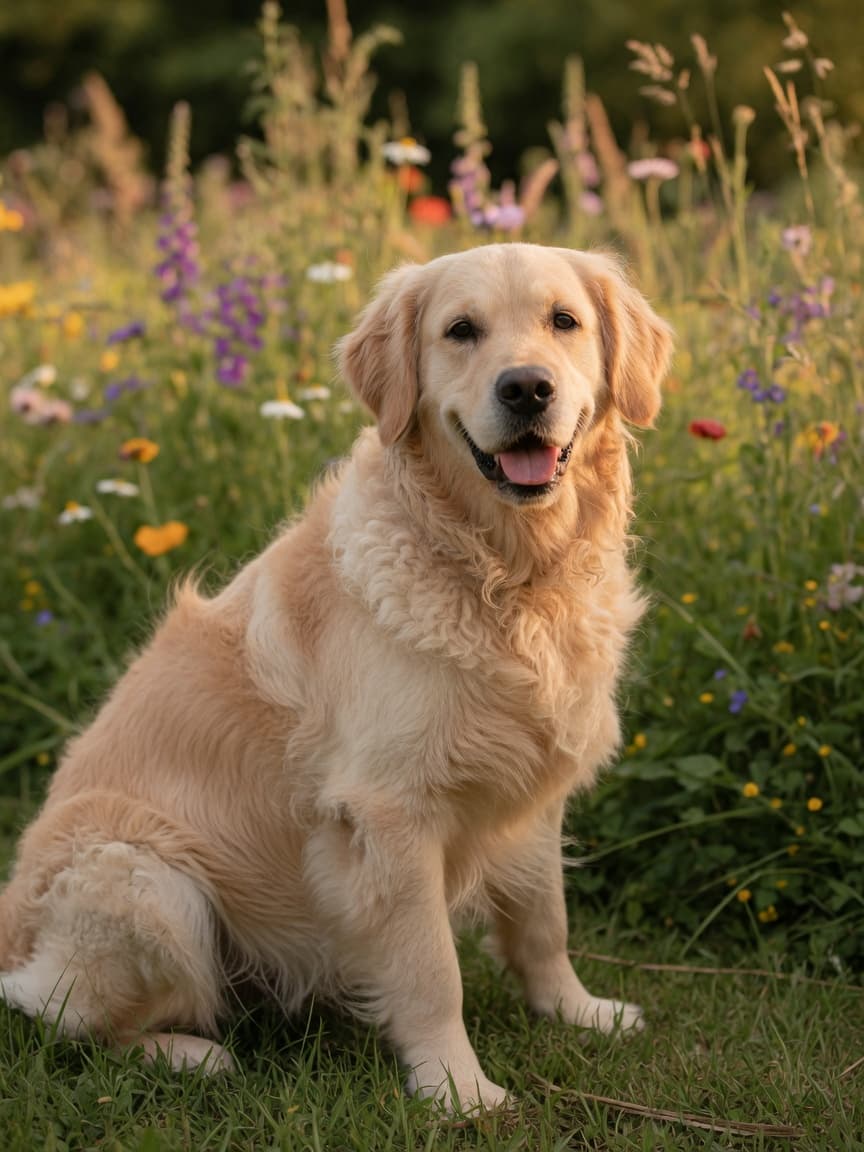
If you've recently brought a puppy home, you've probably noticed fur tumbleweeds collecting in the corners of your living room and discovered mysterious hair strands on your clothes. This is completely normal—puppies shed, and understanding why can help you manage it effectively whilst ensuring your young companion stays healthy. Shedding is a natural biological process, though the amount and timing vary significantly depending on your puppy's breed, age, and individual genetics.
The Puppy Coat Cycle: What's Happening
Puppies are born with soft, downy fur called a puppy coat, which is specifically designed to keep them warm and protected during their early months. This temporary coat serves its purpose beautifully, but as your puppy grows, their body signals that it's time for an upgrade. Around three to six months of age, puppies begin losing their puppy coat to make room for their adult coat, which is denser, stronger, and better suited to regulating their body temperature.
This shedding isn't random—it follows a natural growth cycle. Hair follicles have distinct phases: growth, resting, and shedding. When a follicle enters the shedding phase, the old hair falls out, and a new hair grows in its place. During puppyhood, this transition is particularly intense because your puppy isn't just replacing individual hairs; they're transitioning their entire coat.
Breed Matters: Why Some Puppies Shed More
Not all puppies shed equally. Shedding varies dramatically based on breed type:
- Double-coated breeds (German Shepherds, Huskies, Golden Retrievers) shed considerably more because they have two layers of fur. These puppies often experience significant shedding during coat transitions.
- Single-coated breeds (Poodles, Maltese) shed minimally because they have only one hair layer. Many are considered hypoallergenic alternatives.
- Wire-coated breeds (Terriers) shed moderately and require regular grooming to maintain coat health.
Understanding your puppy's breed characteristics helps set realistic expectations about managing shed hair in your home.
Seasonal Shedding in Growing Puppies
Once your puppy has completed their initial coat transition (typically by nine to twelve months), they'll likely experience seasonal shedding patterns. Many breeds shed heavily twice yearly, often in spring and autumn, as they prepare for seasonal temperature changes. During these periods, daily brushing becomes essential rather than optional.
Health and Nutrition: Supporting a Healthy Coat
Excessive or abnormal shedding can indicate underlying health concerns. Ensure your puppy receives optimal nutrition to support healthy coat growth:
- Feed high-quality puppy food containing adequate protein and omega-3 fatty acids
- Ensure sufficient zinc and B vitamins in their diet
- Provide fresh water throughout the day
- Monitor for signs of allergies, parasites, or skin conditions
If your puppy's shedding seems excessive, appears patchy, or you notice skin irritation, consult your veterinarian to rule out allergies, parasites, or dermatological conditions.
Managing Puppy Shedding: Practical Tips
Whilst you cannot stop your puppy from shedding, you can minimise loose hair around your home:
- Brush your puppy daily during shedding seasons, and 3-4 times weekly during lighter periods
- Use appropriate grooming tools for your puppy's coat type (slicker brush, undercoat rake, or grooming glove)
- Consider professional grooming every 6-8 weeks
- Vacuum regularly and use lint rollers strategically
- Wash your puppy's bedding weekly
Key Takeaways
Puppy shedding is a normal, healthy part of their development. Most puppies shed their downy coat between three and twelve months of age, with the intensity depending on breed type. By maintaining proper nutrition, regular grooming, and monitoring your puppy's overall health, you'll support a beautiful adult coat whilst keeping your home manageable. Remember, a little fur on the furniture is a small price for the joy of puppy parenthood!