
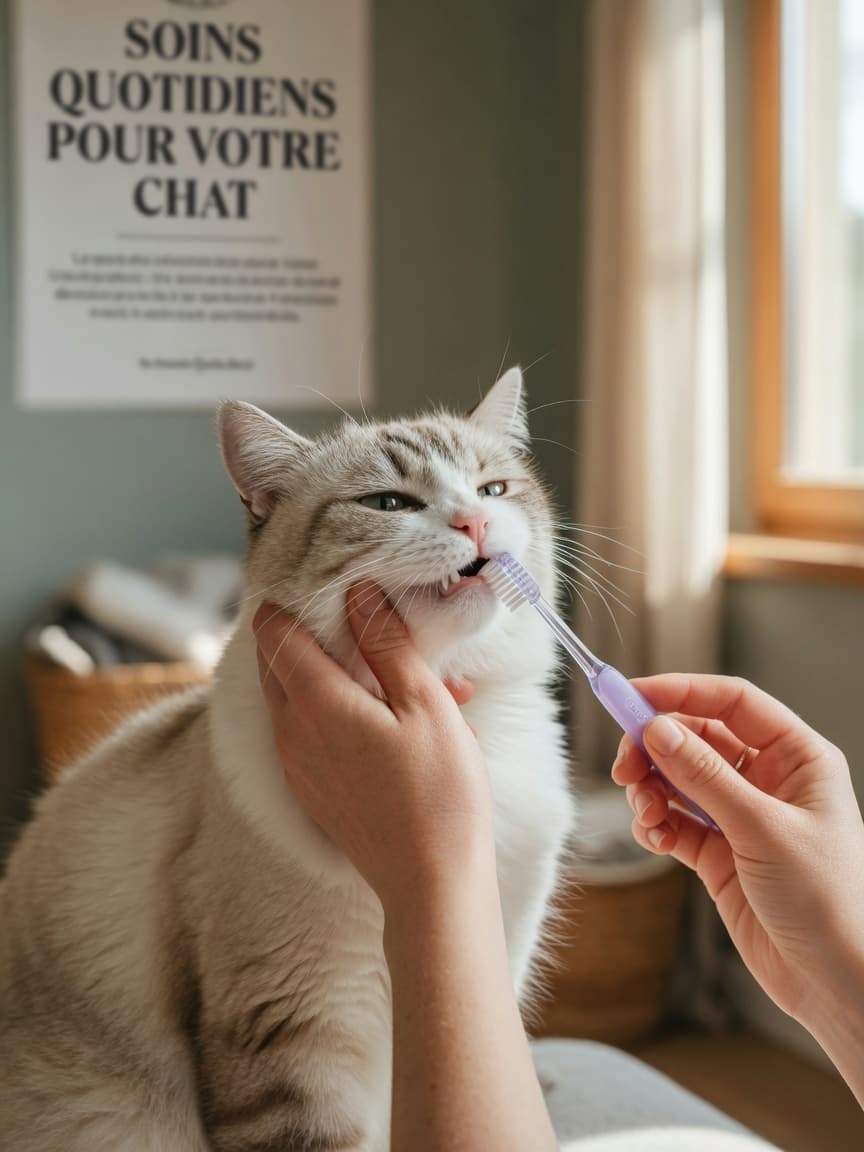
Dental disease affects up to 90% of cats over the age of four, yet many cat owners overlook oral hygiene as part of their pet care routine. Unlike dogs, cats cannot tell us when their teeth ache, making preventative care essential. Regular tooth brushing is the single most effective way to maintain your cat's dental health and prevent costly veterinary interventions down the line. With patience and the right approach, you can establish a tooth-brushing routine that keeps your feline friend's smile healthy and their breath fresher.
Why Cat Dental Health Matters
Your cat's teeth do far more than help them eat. Dental disease can lead to painful infections, tooth loss, and in severe cases, bacteria can enter the bloodstream and damage vital organs like the heart and kidneys. Cats are particularly prone to a condition called feline stomatitis, an inflammatory disease of the mouth that causes significant discomfort. By brushing regularly, you're not just maintaining teeth—you're protecting your cat's overall health and quality of life.
Gathering the Right Supplies

Before you begin, you'll need the proper equipment:
- A soft-bristled toothbrush designed for cats (smaller and gentler than human brushes)
- Cat-specific toothpaste with enzymatic ingredients (never use human toothpaste, which contains fluoride that's toxic to cats)
- A clean cloth or gauze for initial familiarisation
- Treats for positive reinforcement
- A quiet, comfortable space free from distractions
Look for toothpastes containing glucose oxidase enzymes, which help combat harmful bacteria naturally. Many cat toothpastes come in appealing flavours like poultry or seafood to make the experience more pleasant.
Getting Your Cat Comfortable: A Step-by-Step Approach
Introducing tooth brushing to a reluctant cat requires patience and gradual desensitisation:
- Week One: Allow your cat to lick cat toothpaste from your finger. Let them become familiar with the taste and texture without any brushing action.
- Week Two: Gently rub your finger along their gums and teeth using the toothpaste. Praise and reward them generously.
- Week Three: Introduce the toothbrush softly, allowing them to investigate it and taste the paste on the brush.
- Week Four: Begin gentle brushing on the outer surfaces of their teeth, focusing on the back molars where disease typically starts.
Each session should last just 20-30 seconds initially. Consistency matters more than duration. Some cats respond better to brushing at specific times, such as after a meal when they're relaxed.
Proper Brushing Technique
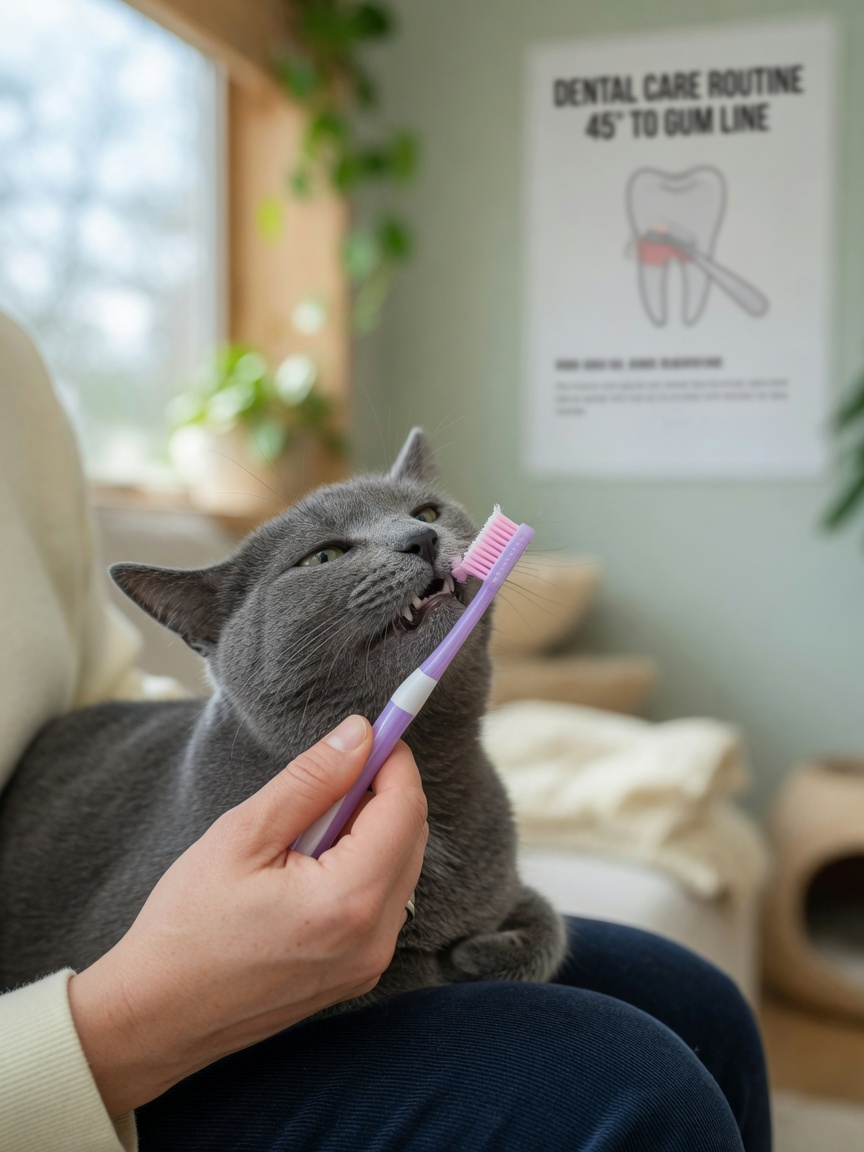
Once your cat is accustomed to the process, follow these guidelines for effective brushing:
- Hold the toothbrush at a 45-degree angle to the gum line
- Use gentle, circular motions rather than aggressive back-and-forth strokes
- Focus on the outer surfaces of teeth and the gum line, where plaque accumulates
- Pay special attention to the back molars and the line where teeth meet gums
- Aim for brushing at least three times weekly; daily is ideal
- Don't worry if you cannot brush the inner surfaces—the outer surfaces are most important
Troubleshooting Common Challenges
If your cat resists brushing, consider these solutions: keep sessions short and stop before they become stressed; try different toothpaste flavours to find one they prefer; brush at times when your cat is naturally calm; and ensure you're not forcing their mouth open too wide, which increases anxiety.
Some cats simply will not tolerate brushing. In these cases, discuss alternative strategies with your veterinarian, including professional dental cleanings and water additives with plaque-fighting enzymes.
Key Takeaways
Establishing a tooth-brushing routine requires patience but yields significant long-term health benefits for your cat. Start slowly, use appropriate feline-specific products, maintain consistency, and celebrate small victories. Combined with regular veterinary check-ups and a quality diet, daily tooth brushing provides your cat's best defence against preventable dental disease.