
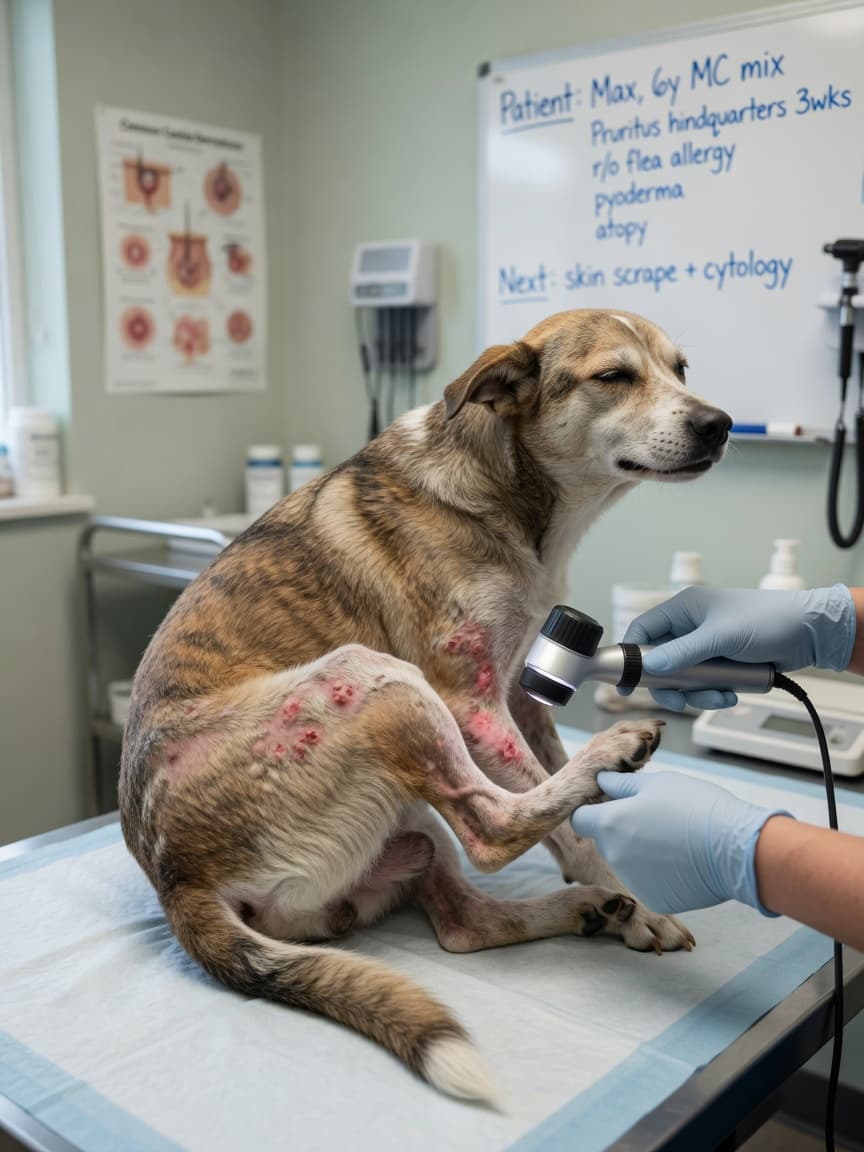
Understanding Pruritus in Dogs
Pruritus is the medical term for itching, and it is one of the most common reasons dog owners seek veterinary care. While occasional scratching is entirely normal, persistent or intense scratching — particularly when accompanied by skin changes, hair loss, or behavioural distress — signals something that needs investigation. Itching is not a diagnosis in itself but a symptom that points toward an underlying cause.
Dogs scratch, lick, chew, or rub themselves against surfaces when their skin is irritated. The sensation of itch is mediated by specific nerve fibres in the skin that respond to chemical signals, including histamine, cytokines, and certain neuropeptides. When these pathways are activated repeatedly, a scratch-itch cycle can develop, where scratching causes further skin damage, leading to more itching.
The Most Common Causes of Scratching in Dogs
Allergies
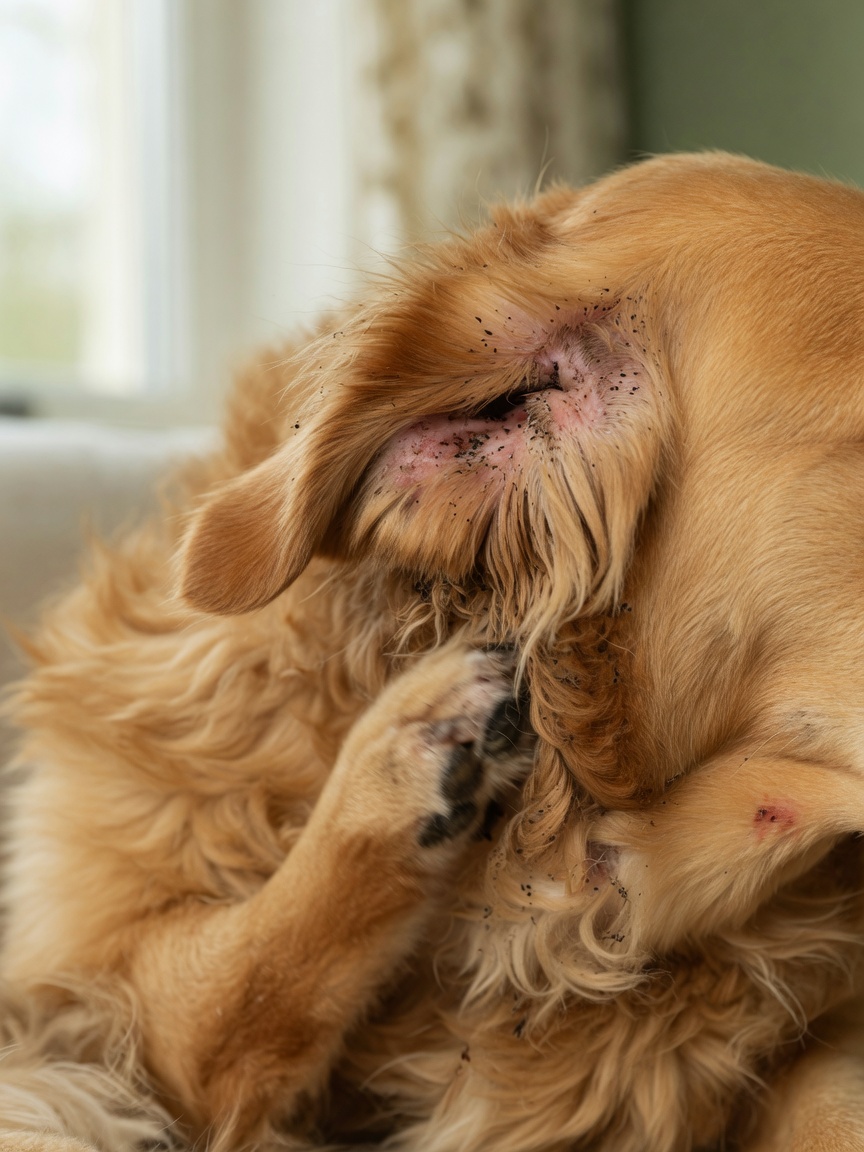
Allergies are the single most common cause of chronic itching in dogs, and they fall into three main categories. Environmental allergies, known as atopic dermatitis, occur when a dog's immune system overreacts to airborne substances such as pollen, dust mites, or mould. Symptoms are often seasonal at first, though they can become year-round as the dog ages and becomes sensitised to more allergens.
Food allergies represent the second major category. Despite common belief, grain is rarely the culprit. The most frequent dietary allergens in dogs are animal proteins, particularly beef, chicken, and dairy. Food-allergic dogs typically show non-seasonal itching around the face, ears, paws, and rear end, often alongside gastrointestinal symptoms such as loose stools or excessive flatulence.
Contact allergies, while less common, occur when the skin reacts directly to a substance it touches — such as certain fabrics, cleaning products, or plants. The itching is usually confined to the area of contact.
External Parasites
Fleas, mites, and lice are among the most efficient triggers of pruritus. Fleas are particularly notorious because even a single bite can cause a profound allergic response in sensitised dogs. The hallmark of flea allergy dermatitis is intense scratching focused around the lower back, tail base, and inner thighs.
Sarcoptic mange mites cause the kind of relentless, almost frantic scratching that owners frequently describe as unbearable to witness. The mites burrow under the skin, and the resulting irritation is compounded by an allergic reaction to the mites themselves. Cheyletiella mites, sometimes called walking dandruff, produce milder but persistent itching along the back.
Dry Skin
Environmental factors such as low humidity, excessive bathing, or harsh shampoos can strip the skin of its natural oils, leading to dryness and flaking. Dogs living in centrally heated homes during winter months are particularly prone to this. Dry skin produces a generalised, often mild itch, and the coat may look dull or feel rough to the touch.
Bacterial and Fungal Infections
Secondary infections frequently accompany other skin conditions, but they can also arise independently. Staphylococcal bacteria cause folliculitis and superficial pyoderma, both of which itch considerably. Malassezia, a yeast naturally present on dog skin, can proliferate abnormally and produce a greasy, itchy coat with a characteristic musty smell, especially in warm skin folds and around the ears.
Hormonal Imbalances
Conditions such as hypothyroidism and Cushing's disease alter the skin's structure and sebum production, creating an environment where secondary infections and itching are more likely. Hormonal causes of pruritus are typically accompanied by other systemic signs, including weight changes, lethargy, and coat abnormalities.
How Vets Diagnose the Cause of Scratching
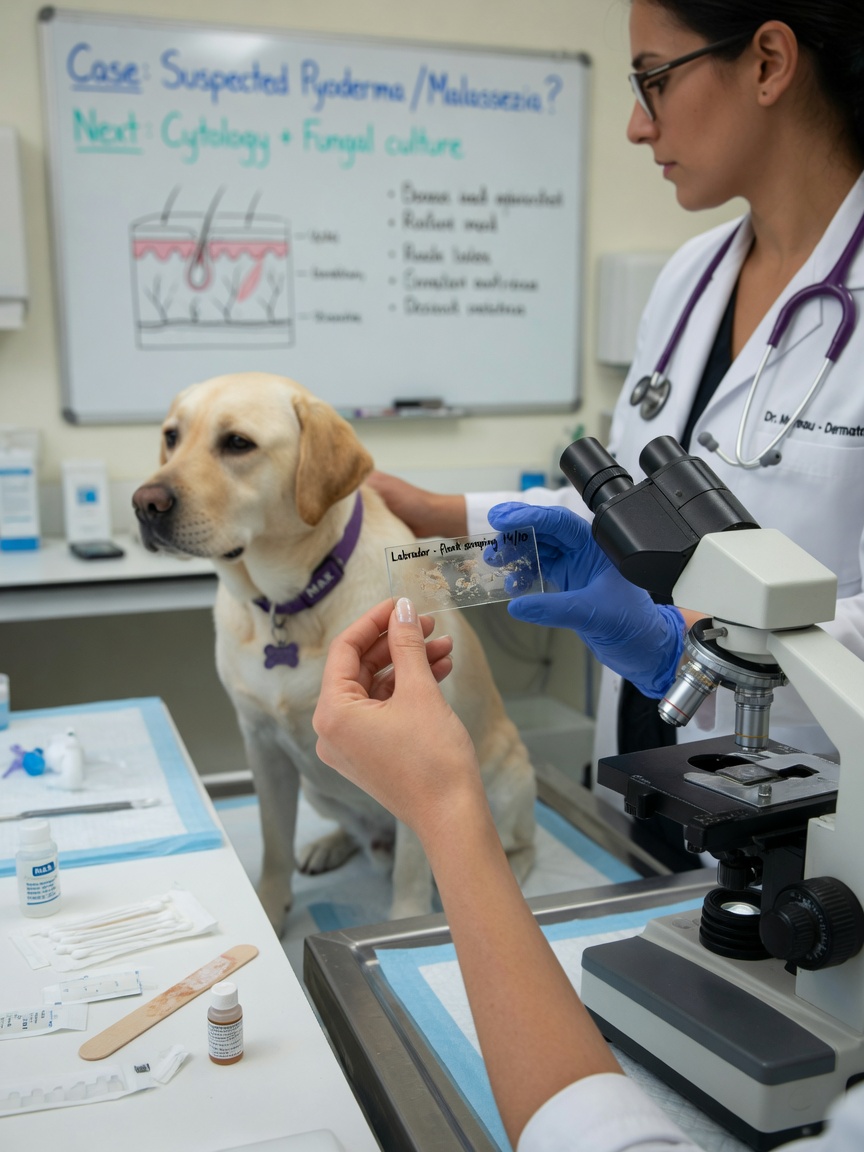
Because so many conditions produce similar symptoms, diagnosis often requires a methodical process of elimination. A vet will begin with a full clinical history, asking about the onset, distribution, and seasonality of the itching, as well as the dog's diet, environment, and parasite prevention routine.
Skin cytology — examining cells collected from the skin surface under a microscope — can quickly identify bacterial or yeast overgrowth. Skin scrapings are used to look for mites. If an allergy is suspected, an elimination diet trial lasting a minimum of eight weeks is the gold standard for diagnosing food hypersensitivity. Intradermal allergy testing or serum allergy testing may be recommended for suspected environmental allergies.
Treatment Options for Pruritic Dogs
Antiparasitic Treatments
If parasites are identified or strongly suspected, treatment with appropriate antiparasitic medications is the first priority. Modern prescription options are highly effective and work quickly. All pets in the household should be treated simultaneously, and the home environment should be addressed if fleas are involved.
Allergy Management
Environmental allergies are managed rather than cured. Antihistamines have modest efficacy in dogs compared to humans, but medications such as oclacitinib (Apoquel) and lokivetmab (Cytopoint) specifically target the itch pathway and provide significant relief for many dogs. Immunotherapy — a course of injections or oral drops tailored to the dog's specific allergens — is the only long-term disease-modifying option.
Dietary Changes
Dogs with confirmed food allergies need a diet that strictly excludes the offending ingredient. Hydrolysed protein diets or novel protein diets (using a protein source the dog has never eaten before) are used both for diagnosis and long-term management. It is essential that no treats, flavoured medications, or table scraps are given during a dietary trial, as even trace amounts of an allergen can invalidate results.
Topical Care and Skin Support
Medicated shampoos containing chlorhexidine, miconazole, or colloidal oatmeal can provide symptomatic relief while treating secondary infections. Regular bathing also reduces the load of environmental allergens on the skin surface. Omega-3 fatty acid supplements, particularly from marine sources, have good evidence behind them for supporting skin barrier function and reducing inflammatory itching over time.
Preventing Scratching From Becoming a Habit
Once a dog has been scratching intensely for a period, the behaviour can become partially habitual or anxiety-driven, persisting even after the physical trigger has been addressed. Breaking this cycle may require the use of an Elizabethan collar to protect healing skin, along with environmental enrichment to reduce stress. Working with your vet to find the root cause quickly is always the best strategy, as the longer pruritus continues, the more secondary damage accumulates and the harder the skin becomes to restore.