
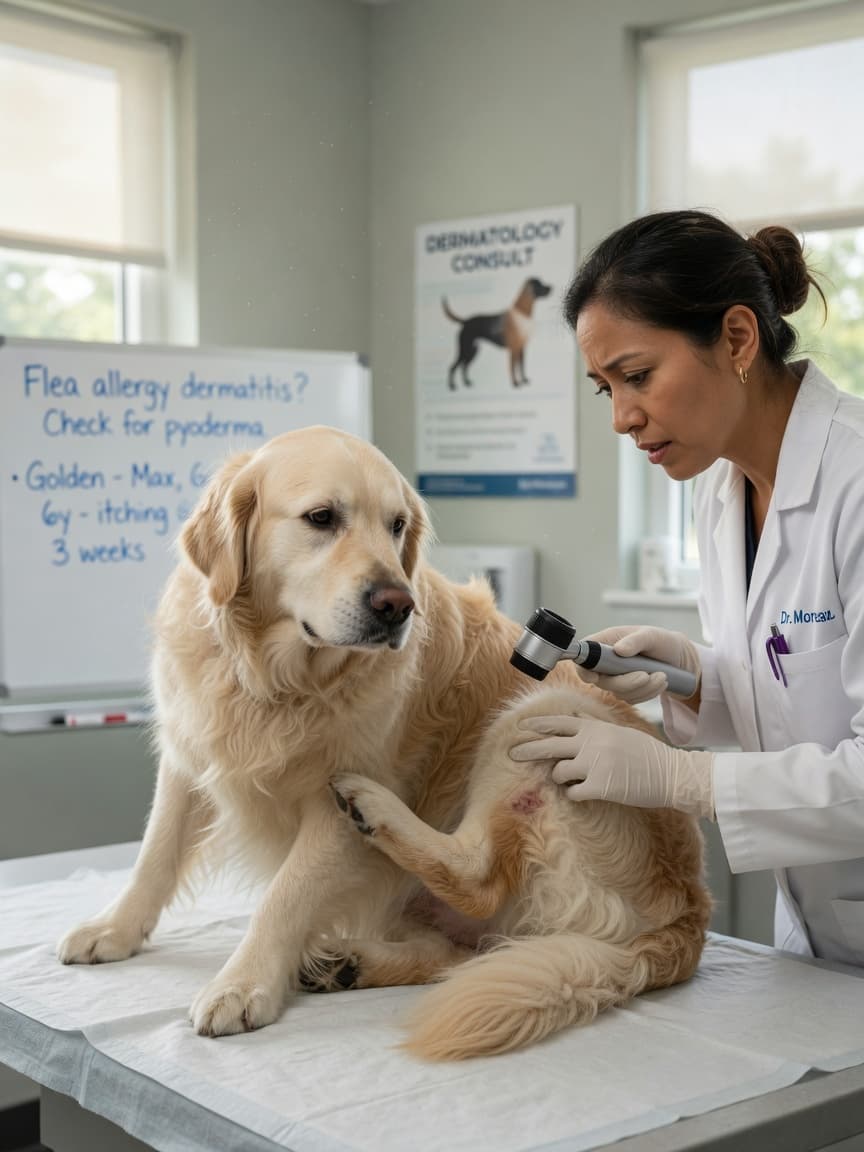
Why Is My Dog Scratching So Much? Causes & Relief
Updated: June 2026
A dog that won't stop scratching, biting, and licking their skin is miserable — and so is the owner watching it happen. Pruritus (the medical term for itchiness) is one of the most common complaints in veterinary dermatology, and getting to the root cause can require some detective work. The good news is that with the right diagnosis, most causes of chronic scratching in dogs are manageable. Here's what you need to know.
1. Fleas
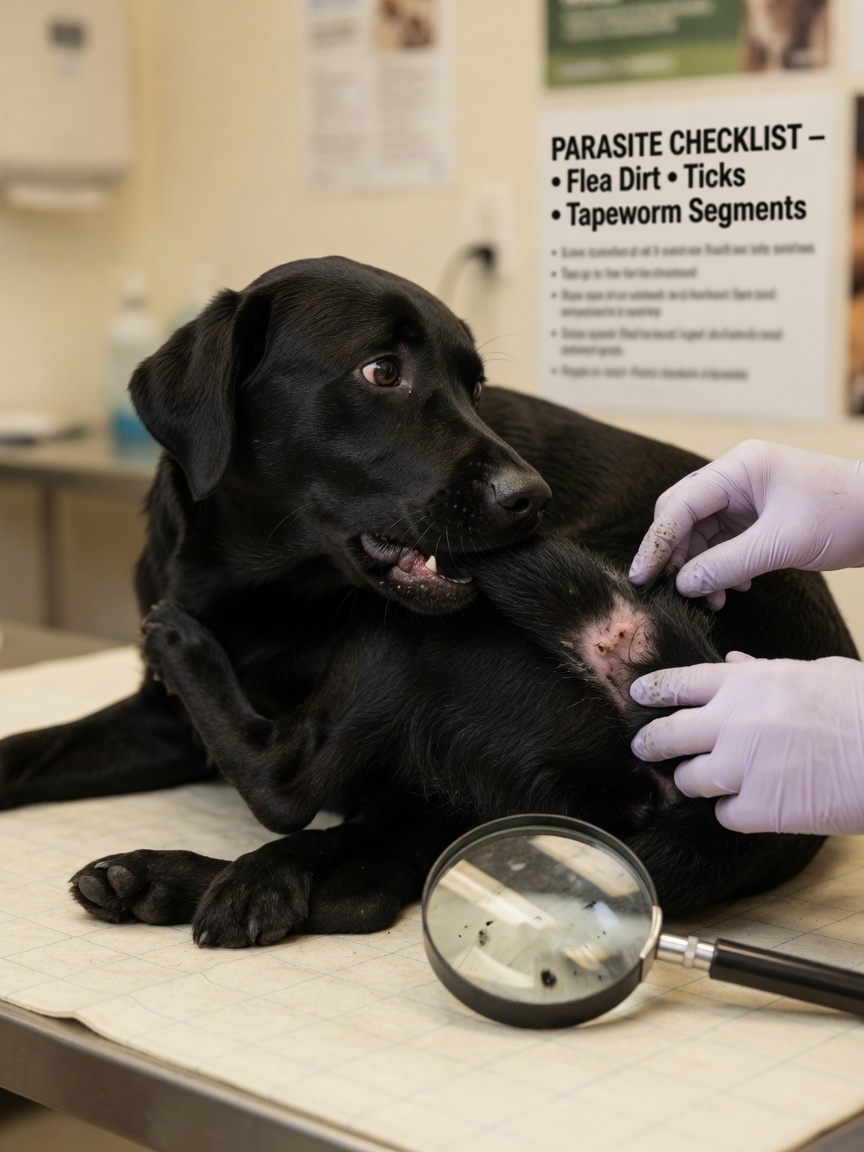
Fleas are the single most common external parasite causing dogs to scratch, and even a single flea bite can trigger intense itching in sensitive animals. Dogs with flea allergy dermatitis (FAD) — an allergic reaction to flea saliva — scratch, chew, and bite relentlessly, especially at the base of the tail, the lower back, and the inner thighs. The maddening part: you may not see any fleas at all, because allergic dogs groom them away so efficiently. Look for "flea dirt" (small black specks that turn red when wet) in the coat. Flea prevention is the only effective strategy — treat all pets in the household and the home environment simultaneously, year-round, with a veterinary-recommended product.
2. Environmental Allergies (Atopy)

Canine atopic dermatitis is a chronic, genetic predisposition to developing allergic reactions to inhaled or contact environmental allergens — pollen, mold spores, house dust mites, and grass. Unlike human hay fever (which causes sneezing), dogs primarily express environmental allergies through itchy skin. The face, paws, armpits, belly, and ears are the classic "atopic distribution" — if your dog is chronically chewing their paws, rubbing their face, and getting recurrent ear infections, atopy is high on the list. Atopy is a lifelong condition managed rather than cured. Management options include allergen-specific immunotherapy (desensitization shots), oral medications (oclacitinib/Apoquel, lokivetmab/Cytopoint), and targeted bathing protocols.
3. Food Allergies
Food allergies in dogs are less common than environmental allergies but frequently overlooked. The most common dietary allergens in dogs are proteins: beef, chicken, dairy, wheat, and eggs top the list. Food allergies typically cause year-round (not seasonal) itching that often concentrates on the paws, face, belly, and perianal area. Gastrointestinal signs — chronic soft stools, frequent bowel movements, vomiting — may accompany the skin symptoms. Diagnosing a food allergy requires a strict dietary elimination trial lasting 8–12 weeks using a novel protein or hydrolyzed diet — no treats, flavored medications, or table scraps allowed. Blood or skin allergy tests for food are not reliable; the diet trial is the gold standard.
4. Contact Dermatitis
Contact dermatitis occurs when a dog's skin reacts to something it touches directly. Culprits include new cleaning products, lawn chemicals (herbicides, fertilizers, pesticides), certain plastics (causing "plastic dish dermatitis" from food bowls), synthetic fabrics, rubber, or plants. The reaction typically appears on areas with less fur coverage: the belly, inner thighs, muzzle, and paws. Identifying and removing the contact allergen usually resolves the problem. Switch to stainless steel or ceramic food bowls, use pet-safe cleaning products, and rinse your dog's paws after outdoor walks if lawn chemicals are suspected.
5. Dry Skin
Dry, flaky skin (seborrhea sicca) causes persistent itching and scratching, especially in low-humidity environments or during winter months when indoor heating strips moisture from the air. Nutritional deficiencies — particularly of omega-3 fatty acids — are a common contributor to dry, dull coats and flaky skin. Adding fish oil (EPA and DHA) to the diet can significantly improve skin barrier function over 4–8 weeks. Bathing too frequently with harsh shampoos strips the skin's natural oils and worsens dryness. Use moisturizing, pH-balanced shampoos formulated for dogs, and limit baths to every 4–6 weeks unless medically directed.
6. Mites and Mange
Two types of mange affect dogs: sarcoptic mange (caused by Sarcoptes scabiei mites) and demodectic mange (caused by Demodex mites). Sarcoptic mange is intensely itchy, highly contagious to other dogs and humans, and typically starts at the ear edges, elbows, and belly. Demodectic mange, caused by an overgrowth of mites normally present in hair follicles, may or may not be itchy and tends to occur in immunocompromised dogs or puppies. Both types require veterinary diagnosis (skin scraping or PCR testing) and treatment — sarcoptic mange with antiparasitic medications, and demodex with similar drugs plus investigation into underlying immune dysfunction.
7. Yeast or Bacterial Skin Infections
Secondary skin infections are one of the most common complications of any itchy skin condition. When a dog scratches and damages the skin barrier, bacteria (especially Staphylococcus pseudintermedius) and yeast (Malassezia pachydermatis) exploit the opportunity and set up shop. These infections cause a distinctive musty or "corn chip" odor, greasy skin, red or brown discoloration (especially between the toes), and crusty or scaly patches. They rarely occur in isolation — they're almost always secondary to an underlying allergy or immune problem. Treating only the infection without addressing the root cause leads to rapid recurrence.
8. Hot Spots (Acute Moist Dermatitis)
Hot spots are areas of acute, moist, rapidly spreading skin inflammation caused by a dog chewing, licking, or scratching at one spot. They appear suddenly — sometimes within hours — as red, weeping, painful patches that can grow from quarter-sized to palm-sized in a day. Hot spots are most common in thick-coated or long-haired breeds (Golden Retrievers, Labs, German Shepherds, Bernese Mountain Dogs) and during hot, humid weather. They require veterinary treatment: the area must be clipped, cleaned, and treated with topical and/or systemic antibiotics and anti-inflammatories. An E-collar is essential to break the itch-scratch cycle.
At-Home Relief Tips While You Wait for Your Vet Appointment
While these are not substitutes for veterinary diagnosis, the following can reduce your dog's discomfort in the short term: a cool (not cold) oatmeal bath using a colloidal oatmeal dog shampoo, adding fish oil to food (consult your vet for appropriate dosing), using a pet-safe, unscented moisturizing spray on dry areas, and preventing further self-trauma with an E-collar or recovery suit.
When to See Your Vet Immediately
- Scratching has broken the skin, causing open sores or bleeding
- Visible hair loss in patches (alopecia)
- Signs of secondary infection: red, oozing, foul-smelling, or thickened skin
- A hot spot that appeared suddenly and is spreading rapidly
- Severe ear scratching combined with head shaking — possible ear infection or mites
- Scratching so intense the dog cannot sleep or function normally
- Puppies with patchy hair loss or crusty skin — possible mange
Key Takeaways
- Fleas are the most common cause of scratching — check for flea dirt and treat all pets in the household.
- Environmental allergies (atopy) are chronic and require long-term management, not a one-time fix.
- Food allergy diagnosis requires an 8–12 week elimination diet trial — blood tests for food allergies are unreliable in dogs.
- Secondary skin infections (bacterial and yeast) almost always accompany chronic skin conditions and need treatment.
- Adding omega-3 fatty acids (fish oil) to the diet supports skin barrier function in dogs with dry skin.
- Scratching that causes skin damage, hair loss, or infection is never "just cosmetic" — see your vet promptly.
References
- Olivry T, DeBoer DJ, Favrot C, et al. Treatment of canine atopic dermatitis: 2015 updated guidelines from the International Committee on Allergic Diseases of Animals (ICADA). BMC Vet Res. 2015;11:210. PMID: 26303990
- Mueller RS, Olivry T, Prelaud P. Critically appraised topic on adverse food reactions of companion animals (2): common food allergen sources in dogs and cats. BMC Vet Res. 2016;12:9. PMID: 26753610