
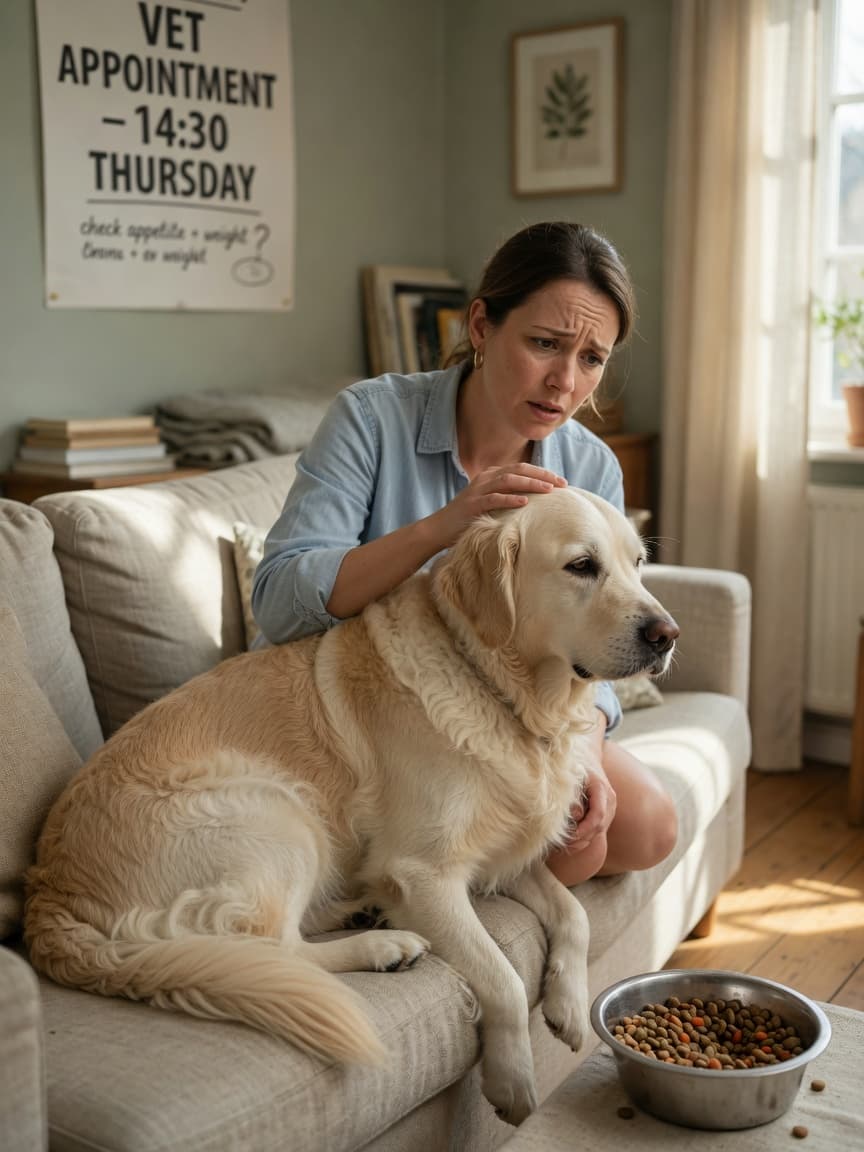
Why Is My Dog Not Eating? Causes & What to Do
Updated: June 2026
A dog that won't eat can send any owner into a panic — and rightly so, because our dogs' appetite is one of the clearest windows into their overall health. While a missed meal here and there can be completely normal, persistent anorexia (the clinical term for loss of appetite) is one of the most common signs that something is wrong. The challenge is figuring out what, exactly, has turned off your dog's enthusiasm for their food bowl.
1. Illness or Underlying Pain
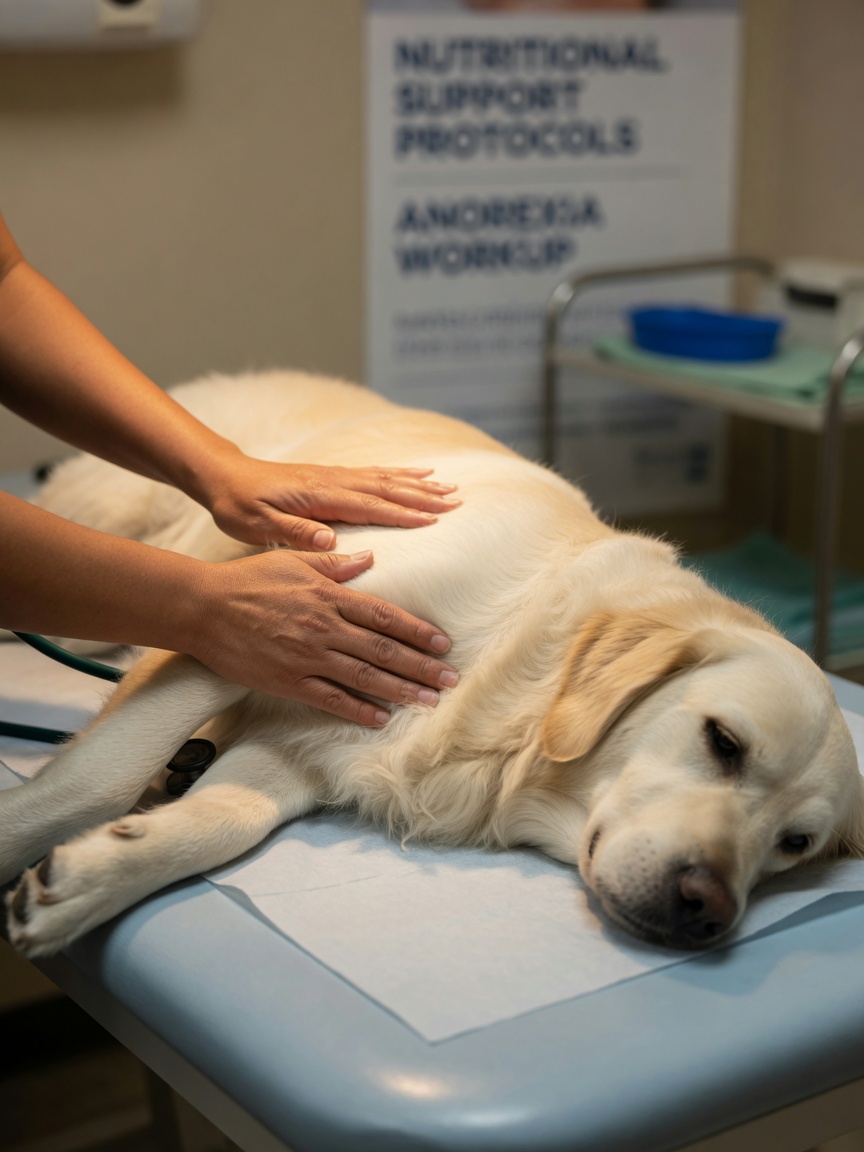
Loss of appetite is the body's universal signal that something isn't right. Almost any illness — from a minor infection to a serious systemic disease — can suppress a dog's desire to eat. Conditions ranging from kennel cough and urinary tract infections to cancer and organ failure all present with reduced appetite. Pain anywhere in the body, whether from an injury, arthritis, dental disease, or an internal problem, also suppresses hunger. If your dog is not eating and also seems uncomfortable, is holding a leg up, has a distended belly, or is reluctant to move, the combination of appetite loss with other symptoms is a significant red flag that warrants prompt veterinary attention.
2. Dental Problems
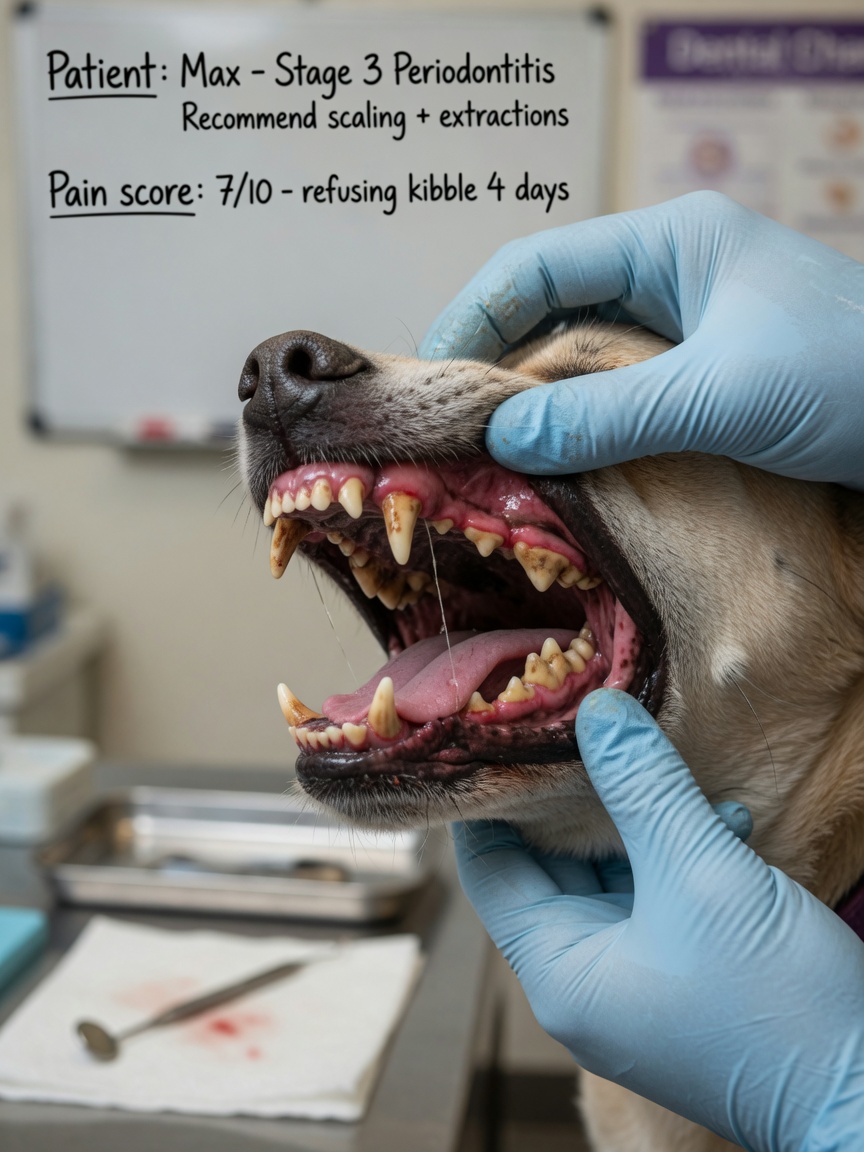
Dental disease is one of the most underdiagnosed causes of appetite loss in dogs. By age three, the majority of dogs have some degree of periodontal disease, and tooth pain can make eating genuinely uncomfortable. Dogs with dental problems may approach their bowl, sniff the food, and walk away — the desire is there, but the pain stops them. Other signs of dental issues include dropping food while chewing, preferring wet food over dry, pawing at the mouth, bad breath, and visible tartar or red gums. A veterinary dental exam and cleaning under anesthesia can be transformative for affected dogs.
3. Recent Food Change
Dogs are creatures of habit, and their digestive systems are finely tuned to a specific diet. Switching foods abruptly can cause not just gastrointestinal upset but also outright food refusal. Some dogs simply don't like the new food — different protein sources, textures, or flavors can be genuinely off-putting. Always transition between foods gradually over 7–10 days. If you've recently changed brands or formulas and your dog has gone on hunger strike, try mixing a small amount of the old food (if you have it) back in, or adding a low-sodium broth topper to make the new food more appealing.
4. Stress or Anxiety
Dogs are highly sensitive to changes in their environment and routine. Moving to a new home, the arrival of a new baby or pet, a family member leaving, loud construction, thunderstorms, or even a rearranged feeding station can all disrupt a dog's appetite. Anxious dogs may also refuse food if they feel they need to guard or monitor the source of their stress rather than relax and eat. In multi-dog households, a more dominant dog's presence near the food bowl can prevent a more submissive dog from eating. Feed anxious dogs in a quiet, consistent location, away from other pets and household commotion.
5. New Medication Side Effects
Many medications commonly prescribed for dogs can suppress appetite as a side effect. Antibiotics frequently cause nausea and decreased appetite. NSAIDs (non-steroidal anti-inflammatory drugs) used for pain can irritate the stomach lining. Chemotherapy drugs, heart medications, and certain antiparasitic treatments can all reduce a dog's desire to eat. If your dog stopped eating shortly after starting a new medication, mention this to your vet — they may adjust the dose, suggest giving the medication with food, or switch to an alternative that is better tolerated.
6. Picky Eating Habits (Learned Behavior)
Some dogs — particularly those who have been frequently offered table scraps or multiple food options — develop a learned pickiness. They know from experience that if they hold out long enough, something more appealing will appear. This is primarily a behavioral issue rather than a medical one, and it's most common in small breeds. If your veterinarian has ruled out medical causes and your dog maintains a healthy weight, the solution is typically to establish a consistent feeding routine: offer the food for 15–20 minutes, then remove it. Avoid supplementing with treats between meals. Most healthy dogs will eat when they're hungry.
7. Nausea
Nausea itself — regardless of its underlying cause — suppresses appetite powerfully. A nauseous dog may show signs such as excessive drooling or lip-licking, grass-eating, repeated swallowing, yawning, or looking uncomfortable before meals. Nausea in dogs can stem from motion sickness, vestibular disease (inner ear problems), kidney disease (uremic toxins), liver disease, pancreatitis, intestinal parasites, or even a diet too high in fat. Identifying and treating the underlying cause of nausea resolves the appetite loss. Your vet can also prescribe anti-nausea medications (such as maropitant) while the primary cause is being investigated.
8. Underlying Disease: Kidney, Liver, or Hormonal Conditions
Chronic or progressive appetite loss — particularly in middle-aged and older dogs — can be an early sign of serious disease. Kidney disease causes a buildup of uremic toxins that create persistent nausea. Liver disease impairs metabolism and causes toxin accumulation. Addison's disease (hypoadrenocorticism), hypothyroidism, and diabetes can all profoundly affect appetite. Cancer, whether in the GI tract or elsewhere, frequently causes early satiety and appetite suppression through inflammatory mediators. Blood panels and urinalysis are essential for detecting these conditions, often before other obvious symptoms appear.
When to See Your Vet Immediately
- Complete food refusal lasting more than 48 hours in an adult dog
- Any food refusal in a puppy lasting more than 12–24 hours
- Appetite loss combined with vomiting, diarrhea, or lethargy
- Signs of pain: whimpering, reluctance to move, hunched posture
- Noticeable weight loss occurring over days to weeks
- Known exposure to a toxin or potential foreign body ingestion
- Senior dogs (7+) who stop eating, as organ disease is more common
- A dog with a known medical condition who suddenly stops eating
Key Takeaways
- Skipping a single meal is common and rarely an emergency in a healthy adult dog.
- Dental disease is a frequently overlooked cause of appetite loss — check your dog's teeth regularly.
- Any appetite loss combined with other symptoms (vomiting, lethargy, pain) needs prompt veterinary evaluation.
- Puppies and senior dogs have less reserve and need veterinary attention for appetite loss sooner than healthy adults.
- Learned pickiness can develop when dogs are frequently offered table scraps or multiple food options.
- Blood work and urinalysis are the most important diagnostic tools for chronic appetite loss in older dogs.
References
- Cave NJ. Dietary management of dogs and cats with chronic enteropathies. Vet Clin North Am Small Anim Pract. 2006;36(6):1269–1298. PMID: 17085232
- Lund EM, Armstrong PJ, Kirk CA, Klausner JS. Prevalence and risk factors for obesity in adult dogs from private US veterinary practices. Intern J Appl Res Vet Med. 2006;4(2):177–186. PMID: 17323551