
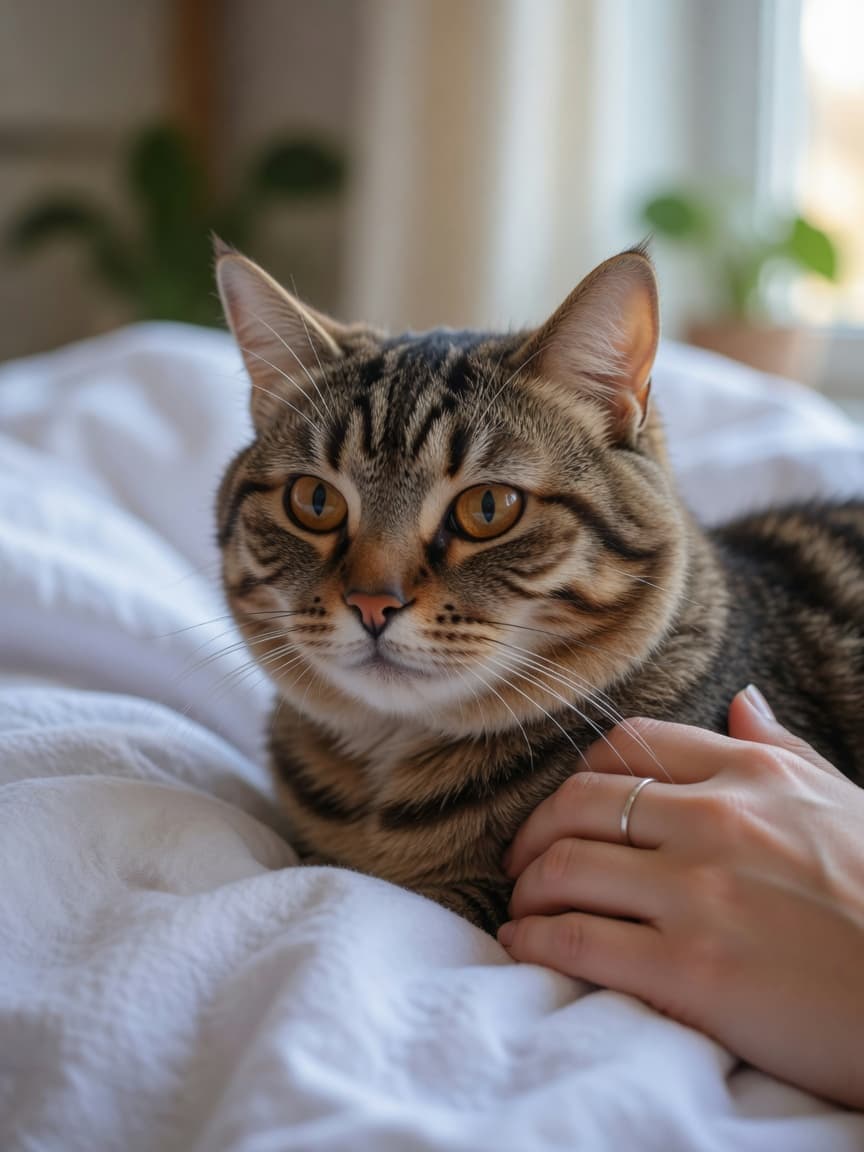
Why Is My Cat's Face Swollen?
Discovering that your cat's face is swollen can be worrying, but it's important to understand that facial swelling in cats has many possible causes—some more serious than others. From allergic reactions to dental disease, the reason behind your feline friend's puffy face varies widely. This comprehensive guide will help you understand the common culprits, recognise warning signs, and know when to seek veterinary care.
Common Causes of Facial Swelling in Cats
Facial swelling, or oedema, occurs when fluid accumulates in the tissues around your cat's face and head. Several conditions can trigger this reaction:
- Allergic Reactions: Food allergies, environmental allergens, or reactions to medications can cause rapid facial swelling. This is often accompanied by itching or difficulty breathing.
- Dental Disease: Abscessed teeth, severe gingivitis, or tooth root infections are particularly common in older cats and frequently result in facial swelling on one side of the face.
- Infections: Bacterial or fungal infections, including cat bites that have become infected, can lead to localised or generalised facial swelling.
- Insect Stings or Bites: Wasp, bee, or mosquito bites around the face can cause rapid swelling, particularly around the nose, eyes, and mouth.
- Trauma or Injury: Fights with other animals, accidents, or blunt force trauma can result in swelling and bruising.
- Systemic Disease: In rare cases, kidney disease, liver disease, or other serious conditions may manifest as facial swelling.
Recognising Serious Warning Signs
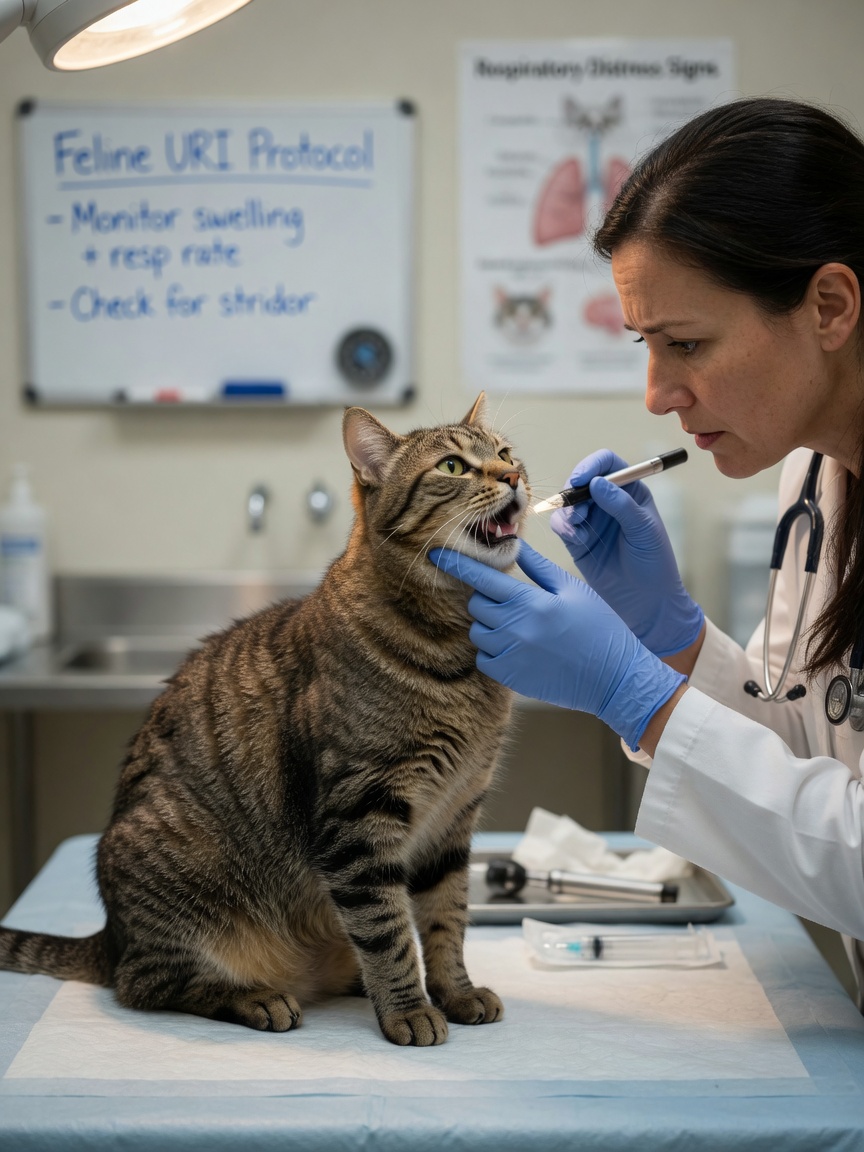
Whilst some facial swelling resolves independently, certain symptoms require immediate veterinary attention. Contact your vet urgently if your cat experiences:
- Difficulty breathing or wheezing
- Excessive drooling or inability to eat
- Discharge from the nose, eyes, or mouth
- Fever or lethargy
- Swelling that worsens rapidly or spreads
- Signs of pain or distress
When to See Your Veterinarian
If your cat's face is mildly swollen but otherwise behaving normally, monitor closely for 24 hours. However, schedule a veterinary appointment promptly if the swelling persists or worsens. Your vet will perform a thorough examination, potentially including blood work, imaging, or dental checks, to identify the underlying cause. Bring a list of recent changes to your cat's environment, diet, or medications, as this information helps with diagnosis.
Home Care and Prevention
Whilst waiting for a veterinary appointment, you can provide comfort measures:
- Apply a warm, damp cloth to the affected area for 10-15 minutes, several times daily
- Ensure your cat has access to fresh water and soft food if eating is uncomfortable
- Keep your cat indoors to prevent further injury or infection
- Avoid touching or squeezing the swollen area
Prevention is equally important. Maintain regular dental care, keep your cat's vaccinations current, ensure they're on appropriate parasite prevention, and manage food allergies by identifying and avoiding trigger foods.
Key Takeaways
Facial swelling in cats can stem from many causes, ranging from minor allergic reactions to serious infections. Whilst not every instance requires emergency care, it's essential to monitor your cat closely and seek professional advice if swelling persists, worsens, or is accompanied by other symptoms. Regular veterinary check-ups and preventative care significantly reduce the risk of many conditions that cause facial swelling. When in doubt, consult your vet—early intervention often prevents complications and ensures your beloved companion remains healthy and comfortable.
Key takeaways
- Dental disease, allergies, infections, and insect stings are the most common culprits behind feline facial swelling
- Difficulty breathing, inability to eat, discharge, or fever warrant immediate veterinary attention
- Mild swelling in otherwise healthy cats can be monitored at home for 24 hours, but persistent cases need professional diagnosis
- Regular dental care, current vaccinations, and parasite prevention significantly reduce swelling-related conditions
- Warm compresses and soft food provide comfort whilst awaiting veterinary assessment
Frequently asked questions
Is my cat's swollen face an emergency?
It depends on accompanying symptoms. If your cat has difficulty breathing, excessive drooling, discharge, or signs of distress, seek immediate veterinary care. For mild swelling with no other symptoms, monitor closely for 24 hours and contact your vet if it persists or worsens.
Can a swollen cat face be caused by allergies?
Yes, allergies are a common cause of facial swelling in cats. Food allergies, environmental allergens, or medication reactions can trigger rapid swelling, often accompanied by itching. Your vet can help identify the allergen and recommend appropriate management.
What should I do at home for my cat's swollen face?
Apply a warm, damp cloth to the area for 10-15 minutes several times daily, ensure fresh water is available, and offer soft food if eating is uncomfortable. Keep your cat indoors to prevent further injury and avoid touching or squeezing the swollen area whilst you arrange a veterinary appointment.
Could my cat's swollen face be from a dental problem?
Absolutely—dental disease is particularly common in older cats and frequently causes one-sided facial swelling. Abscessed teeth, severe gingivitis, or tooth root infections can all result in facial swelling, so your vet may recommend dental examination or imaging to rule this out.