ForPetsHealthcare
Dogs

Why Does My Dog Stare at Me? Reasons & Behaviour Explained

By Julia WrenfieldUpdated August 4, 20264 min read
Evidence-based · Sources checked
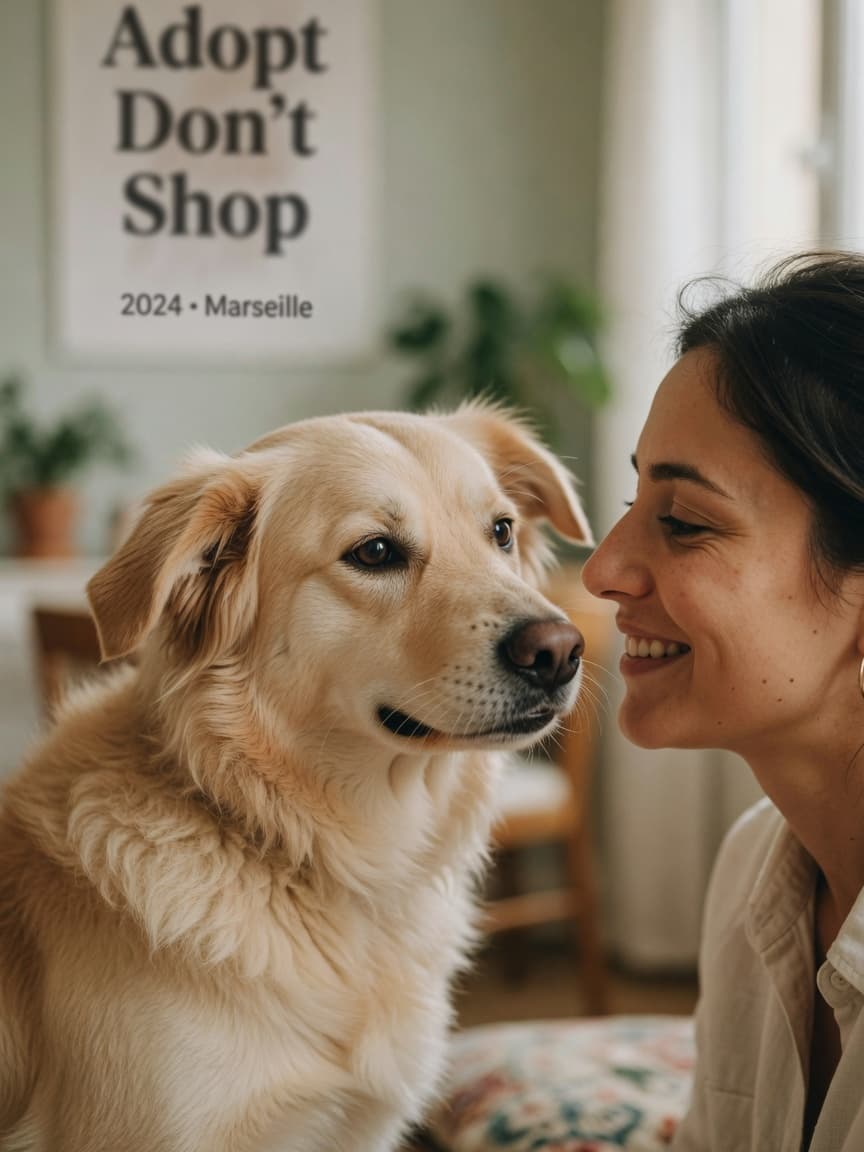
{"en": "Golden retriever looking directly at owner's face with intense, focused gaze showing affection and bond", "es": "Golden retriever mirando directamente el rostro del due\u00f1o con una mirada intensa y enfocada", "fr": "Golden retriever regardant directement le visage du propri\u00e9taire avec une expression intense et affectueuse", "de": "Golden Retriever schaut intensiv in das Gesicht des Besitzers mit konzentriertem, liebevollem Blick", "nl": "Golden retriever die direct naar het gezicht van de eigenaar staart met intens en gericht contact", "pt": "Golden retriever olhando fixamente para o rosto do dono com olhar intenso e cheio de afeto", "it": "Golden retriever che guarda intensamente il viso del proprietario con uno sguardo concentrato e affettuoso"}

If you've ever caught your dog gazing intensely at your face, you're not alone. This common behaviour often leaves pet owners wondering what their canine companion is thinking. The truth is, dog staring is a complex form of communication that can mean several different things, depending on context, breed, and individual personality. Understanding why your dog stares at you is key to strengthening your bond and recognising when they might need your attention.

The Love and Attachment Connection

One of the most heartwarming reasons your dog stares at you is simply affection. When dogs gaze at their owners, both the dog and owner experience a release of oxytocin—the same "love hormone" that bonds parents to their children. Research has shown that mutual eye contact between dogs and humans strengthens the human-animal bond.

If your dog's stare is accompanied by soft eyes, a relaxed body posture, and perhaps a gentle tail wag, they're likely expressing contentment and trust. This is their way of saying, "You're important to me, and I feel safe with you."

Seeking Attention and Resources
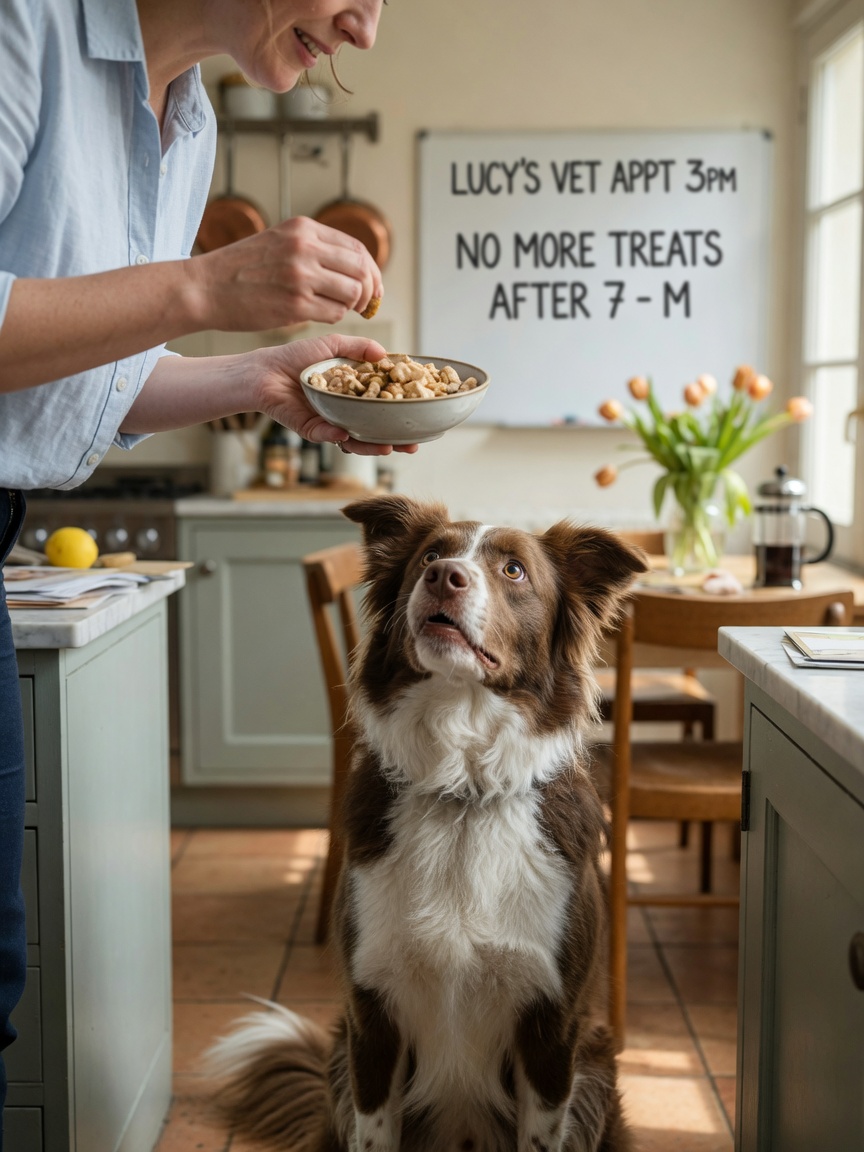
A dog staring at their owner with keen anticipation while the owner holds a treat or food bowl

Your dog may also stare at you when they want something. This could include:

  • Food or treats
  • A walk or playtime
  • Access to a toy or favourite spot
  • Bathroom breaks

Dogs are intelligent creatures and quickly learn that staring—especially prolonged eye contact—gets results. If you've ever given your dog a treat after they've looked at you pleadingly, you've inadvertently reinforced this behaviour. It's a form of non-verbal communication that's often highly effective.

Reading Your Body Language

Dogs are exceptional at reading human body language and facial expressions. Your dog may stare at you to gather information about your emotional state or to predict what you might do next. If you're putting on your shoes, your dog might stare intently because they've learned this signals a potential walk. Similarly, if you're visibly upset, your dog may stare to assess whether they need to comfort you or react to the situation.

Anxiety and Uncertainty

Not all staring is positive. A hard, prolonged stare combined with tension in the body, pinned-back ears, or a tucked tail can indicate anxiety or uncertainty. Some dogs stare when they're uncomfortable in social situations or unsure about what's expected of them. If your dog displays this type of staring, it's worth noting the circumstances and potentially consulting with a behaviourist.

Medical or Neurological Concerns

Occasionally, excessive staring can indicate underlying health issues. Conditions such as cognitive dysfunction, vision problems, or neurological disorders can cause unusual staring behaviour. If you notice a sudden change in your dog's staring habits, or if the behaviour is accompanied by other unusual signs like pacing, disorientation, or loss of appetite, consult your veterinary surgeon promptly.

Key Takeaways

Most of the time, your dog's stare is a positive sign of affection, trust, or a simple request for attention. To respond appropriately:

  • Observe the full context of the behaviour—body language matters as much as eye contact
  • Notice whether the stare is soft and relaxed or tense and hard
  • Consider what might have triggered the stare
  • Seek veterinary advice if staring behaviour changes suddenly
  • Strengthen your bond by reciprocating gentle eye contact with your dog

Your dog's stare is ultimately a window into their inner world, offering you insight into their emotions, needs, and attachment to you. By learning to interpret this behaviour, you'll deepen your relationship and ensure your furry friend receives the care and attention they deserve.

```
#why does my dog stare at me reasons behavior explained#dog health#dog nutrition#forpetshealthcare

Sources & further reading

This article is based on peer-reviewed veterinary research and reputable animal-health sources. Explore the underlying science in our Research Library.

Related articles

The 19 Best Animal Shelters in the Netherlands (2026)

the Netherlands's animal shelters, rescue associations and refuges save thousands of dogs, cats and other animals every year, almost always on tiny budgets and volunteer power. To build the most objective ranking possible, we analysed public Google reviews across more than 56 registered animal-prote…

Read more →

The 25 Best Animal Shelters in Italy (2026)

Italy's animal shelters, rescue associations and refuges save thousands of dogs, cats and other animals every year, almost always on tiny budgets and volunteer power. To build the most objective ranking possible, we analysed public Google reviews across more than 121 registered animal-protection org…

Read more →

The 48 Best Animal Shelters in Germany (2026)

Germany's animal shelters, rescue associations and refuges save thousands of dogs, cats and other animals every year, almost always on tiny budgets and volunteer power. To build the most objective ranking possible, we analysed public Google reviews across more than 152 registered animal-protection o…

Read more →

The 32 Best Animal Shelters in France (2026)

France's animal shelters, rescue associations and refuges save thousands of dogs, cats and other animals every year, almost always on tiny budgets and volunteer power. To build the most objective ranking possible, we analysed public Google reviews across more than 89 registered animal-protection org…

Read more →

The 8 Best Animal Shelters in Portugal (2026)

Portugal's animal shelters, rescue associations and municipal centros de recolha save thousands of dogs, cats and other animals every year, almost always on tiny budgets and volunteer power. To build the most objective ranking possible, we analysed public Google reviews across more than 86 registere…

Read more →

Sphynx Cat Skin care and hygiene: Causes, Signs & Care

Sphynx cats have little to no coat, which means the skin itself takes on jobs that fur normally does — insulation, oil dispersal, and barrier protection — leaving it prone to greasiness, blocked pores, fungal infections, and sunburn. The single most important thing to know is that a Sphynx's skin ne…

Read more →
Disclaimer:This article is for informational purposes only and does not constitute veterinary advice. Always consult a qualified veterinarian for your pet's health concerns.

Free newsletter

Pet health tips, straight to your inbox

Weekly science-backed advice for dog & cat owners. No spam, unsubscribe anytime.