
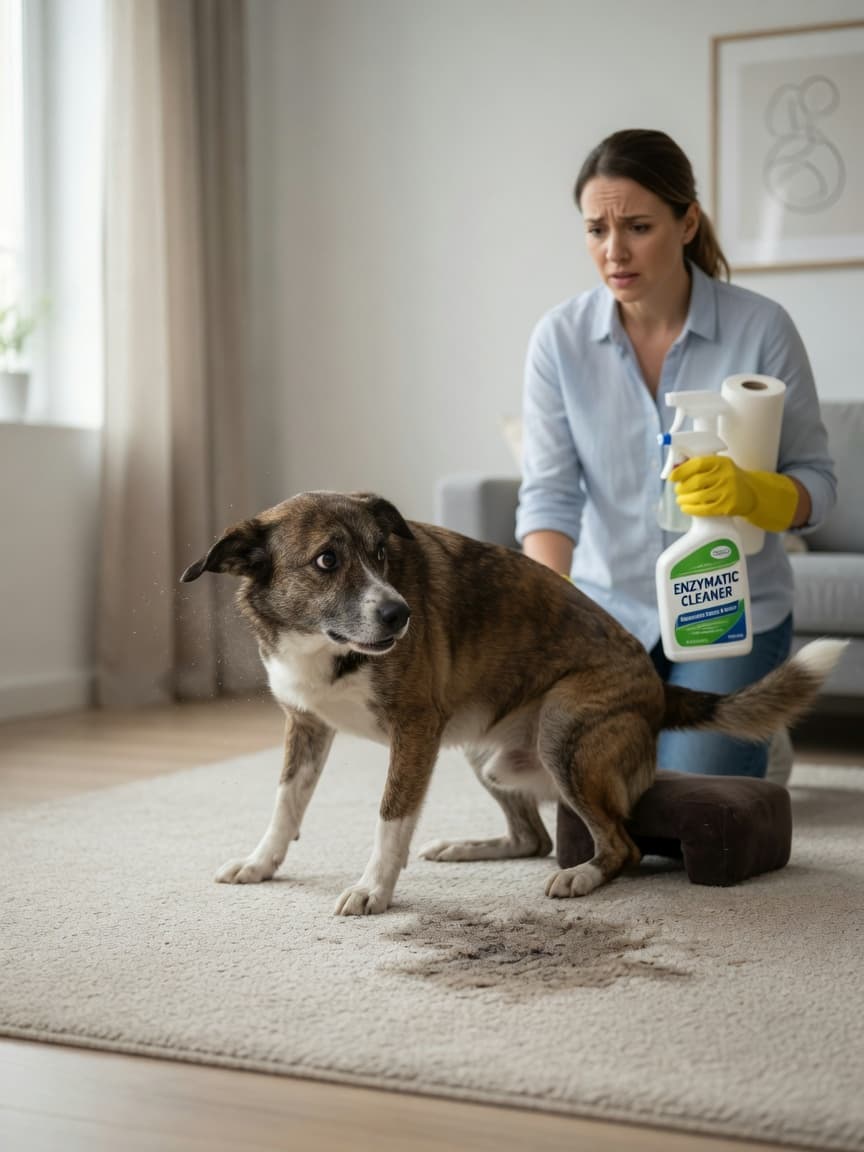
If your dog is regularly having accidents indoors, you're not alone—and it's certainly frustrating. Indoor defecation can stem from various causes, ranging from medical issues to behavioural problems. Understanding the root cause is essential for finding an effective solution. Whether your dog is a puppy still learning house-training basics or an adult dog with newly developed problems, this guide will help you identify what's happening and restore your clean carpets.
Medical Causes of Indoor Defecation
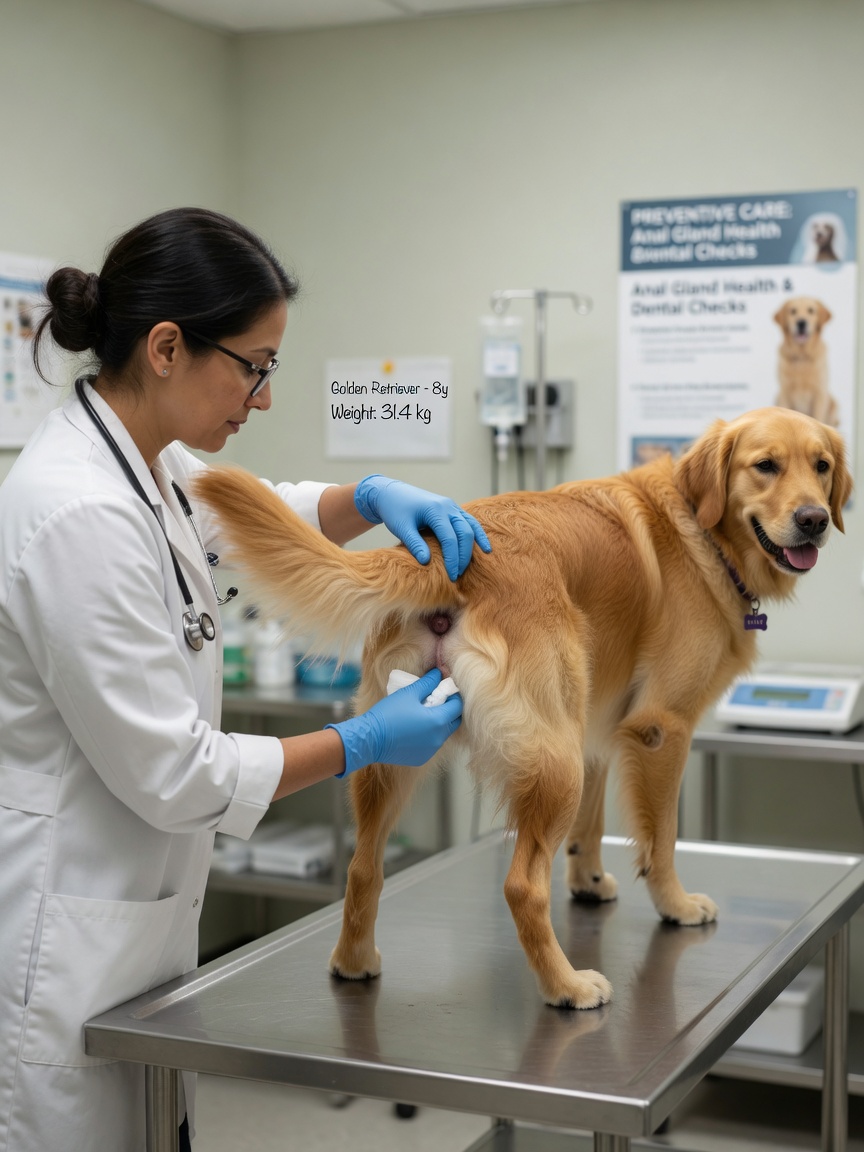
Before assuming behavioural problems, it's crucial to rule out medical conditions. Several health issues can cause your dog to lose bowel control or feel the urgent need to defecate indoors.
- Digestive disorders: Inflammatory bowel disease, colitis, and other gastrointestinal conditions can cause urgency and loose stools.
- Parasites: Intestinal worms and protozoa like giardia frequently cause diarrhoea and frequent defecation.
- Food intolerance or allergies: Certain ingredients may trigger digestive upset in sensitive dogs.
- Anal gland issues: Impacted or infected anal glands can create discomfort and urgency.
- Age-related incontinence: Senior dogs may experience declining sphincter control.
- Medications: Some medications can affect bowel movements as a side effect.
If your dog has recently started having accidents, book a veterinary appointment. Your vet can conduct faecal tests, check for parasites, and evaluate your dog's overall digestive health. This step eliminates medical causes before addressing behavioural solutions.
Behavioural and Training-Related Factors
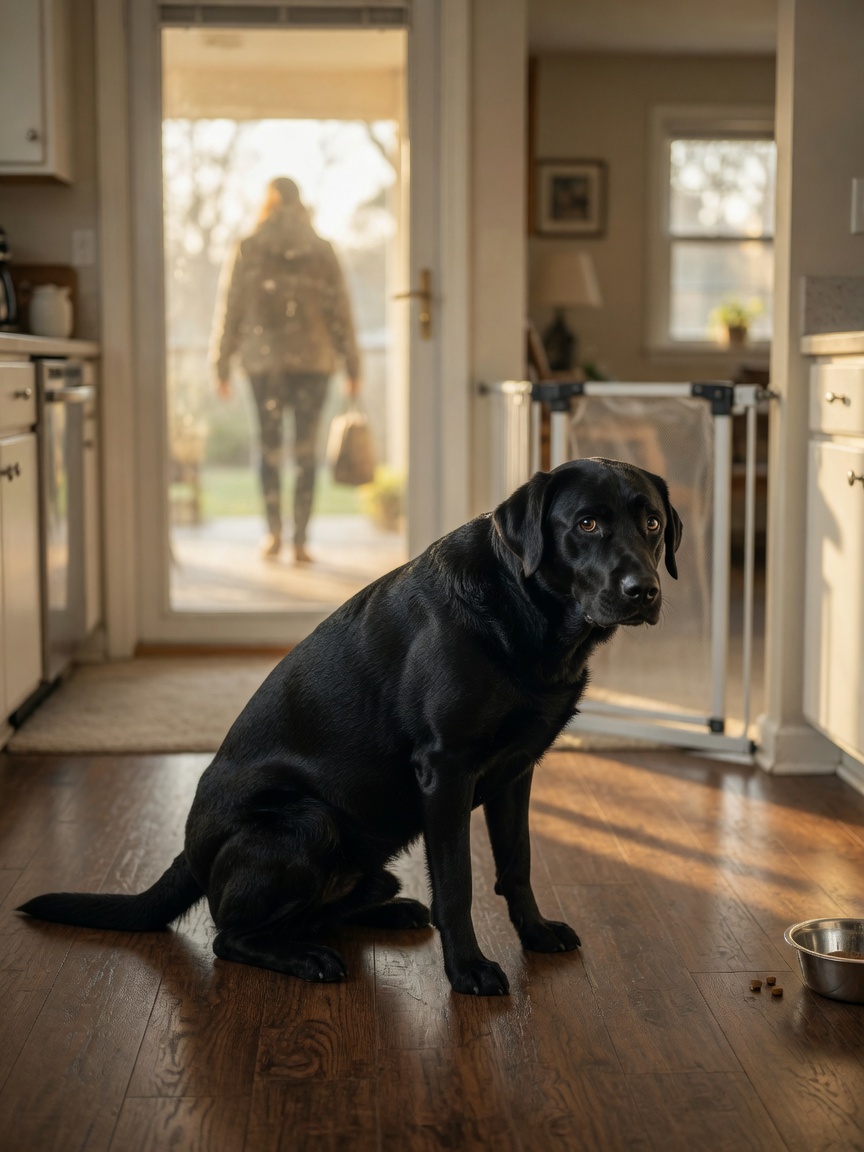
Once medical issues are ruled out, behavioural factors are often responsible. Dogs aren't deliberately trying to upset you—they're typically struggling with training, anxiety, or learned habits.
- Incomplete house-training: Puppies and rescue dogs may simply need more consistent training.
- Anxiety or stress: House soiling can signal separation anxiety, thunderstorm phobia, or household changes.
- Marking territory: Though less common with faeces than urine, anxiety-driven dogs may defecate in specific spots.
- Lack of outdoor access: Dogs unable to reach outside frequently enough will eventually go indoors.
- Punishment-related fear: Dogs previously punished for accidents may hide to defecate, then have accidents from anxiety.
Effective House-Training Solutions
Establishing or reinforcing house-training requires patience and consistency. These evidence-based strategies work for both puppies and adult dogs:
- Create a regular schedule: Take your dog outside first thing in the morning, after meals, after playtime, and before bedtime. Most dogs develop predictable patterns within 4-6 weeks.
- Choose a designated toilet spot: Always go to the same area outside. The scent will encourage your dog to defecate there.
- Reward success immediately: Praise enthusiastically and offer treats the moment your dog finishes outdoors. Timing is crucial—rewards must follow the behaviour directly.
- Manage indoor spaces: Use baby gates or crates to limit your dog's access to carpeted areas. Dogs naturally avoid soiling their sleeping spaces.
- Clean accidents thoroughly: Use enzymatic cleaners specifically designed for pet waste. Ordinary cleaners leave scent residues that encourage repeated soiling in the same spots.
- Never punish: Punishment causes fear and confusion, making the problem worse. Ignore accidents and focus entirely on rewarding outdoor success.
Managing Anxiety-Related Issues
If your dog shows signs of anxiety—pacing, destructiveness, or defecating specifically when you're away—address the underlying stress. Consult your vet about anxiety management strategies, which may include: increased exercise, environmental enrichment, calming supplements, or in severe cases, anti-anxiety medication.
When to Seek Professional Help
Consider consulting a certified behaviourist if house-training efforts aren't yielding results after 8-12 weeks, or if anxiety seems severe. They can identify subtle triggers and create tailored solutions.
Key Takeaways
- Schedule a vet visit to rule out medical conditions first.
- Establish a consistent outdoor routine—consistency is your strongest tool.
- Reward outdoor successes generously and immediately.
- Use enzymatic cleaners on accidents to remove scent markers.
- Never punish; focus entirely on positive reinforcement.
- Be patient—most dogs respond to proper training within weeks to months.