
The Bleeding Disorder Hidden in Plain Sight
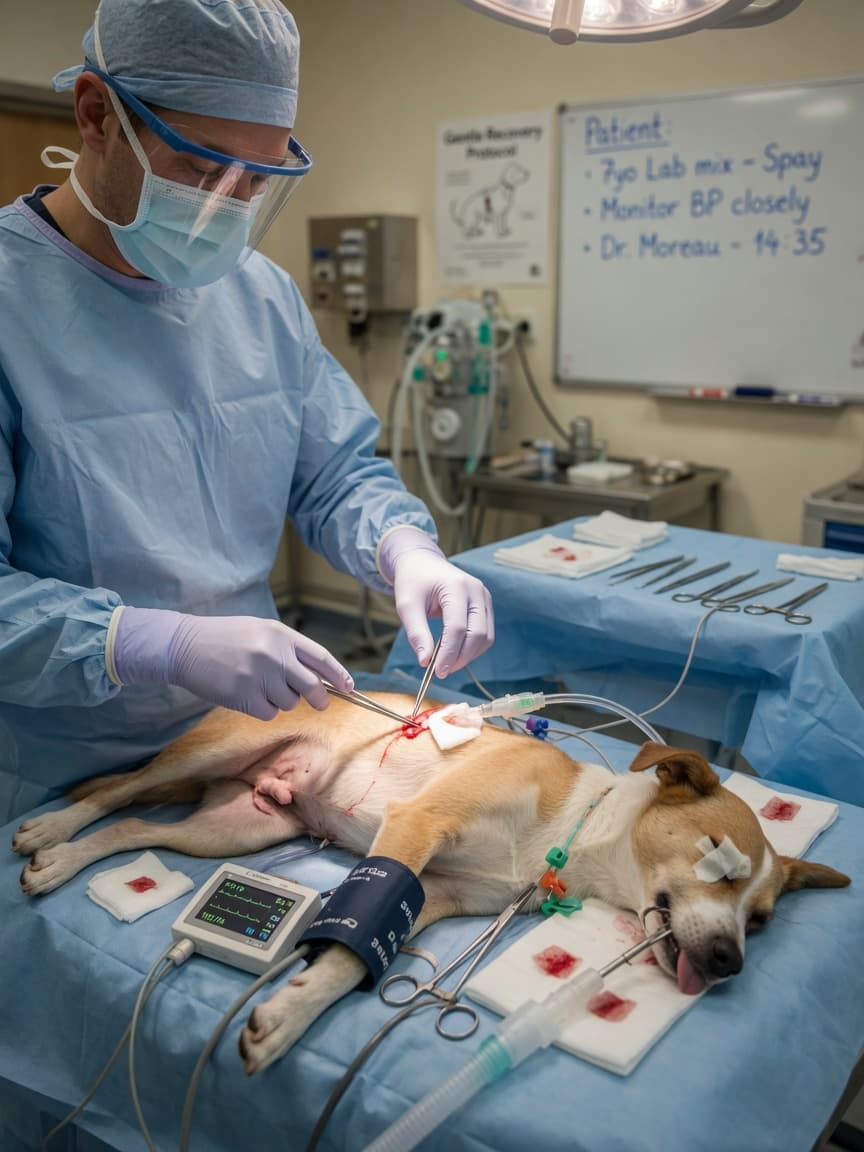
A dog goes in for a routine spay. The surgery proceeds normally, but the bleeding does not stop as expected. Hours later, the dog is in crisis. Von Willebrand disease — the most common inherited bleeding disorder in dogs — is frequently not diagnosed until an injury or surgical procedure unmasks it. Understanding this condition before it becomes an emergency could save your dog's life.
What Von Willebrand Disease Actually Is
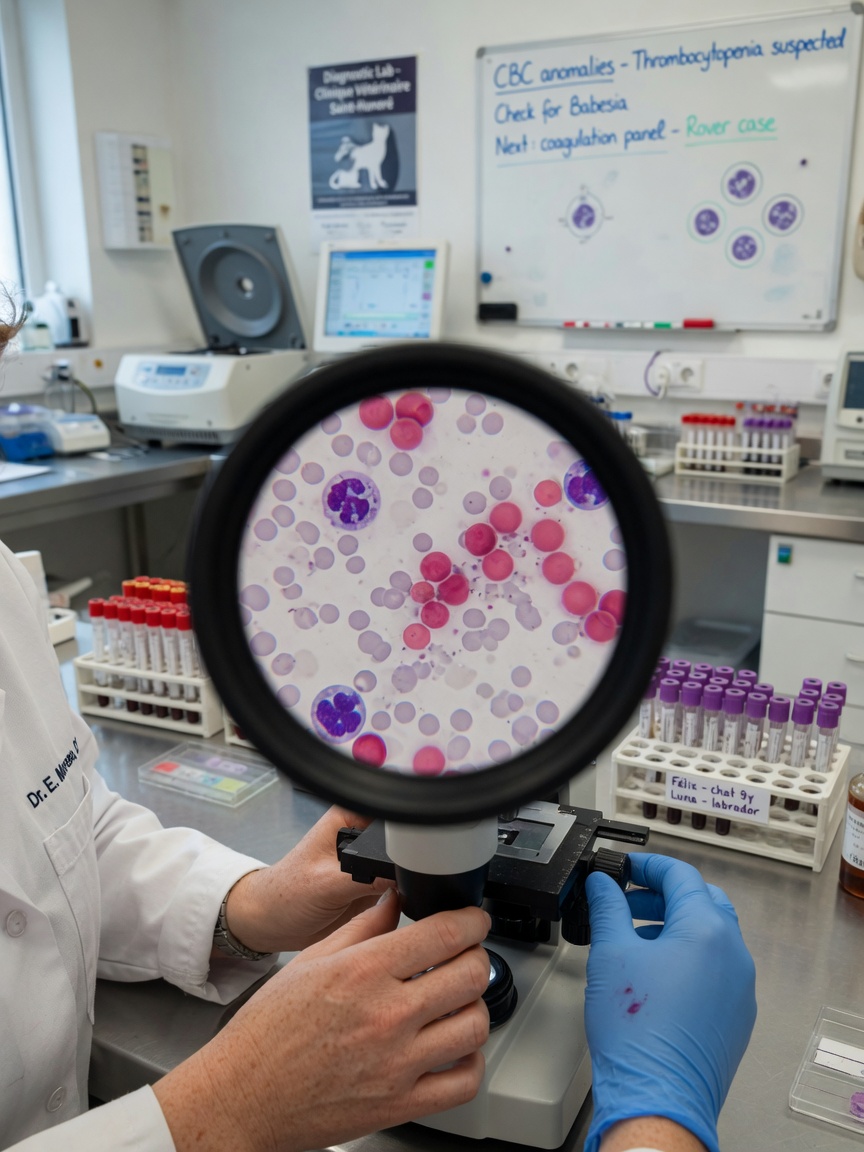
Von Willebrand factor (vWF) is a protein produced by blood vessel walls that plays a critical role in clot formation. When a blood vessel is damaged, vWF acts like molecular glue — it helps platelets stick to the injury site and to each other, forming the initial plug that stops bleeding. Without sufficient functional vWF, this early stage of clotting fails, and even minor wounds can bleed excessively.
Von Willebrand disease (vWD) is not a platelet deficiency and it is not the same as haemophilia, though the practical consequence — prolonged bleeding — is similar. It is a deficiency or dysfunction of the vWF protein itself.
The Three Types
- Type 1: Partial deficiency of vWF; the most common and generally mildest form. Dobermann Pinschers, German Shepherds, and Golden Retrievers are frequently affected.
- Type 2: Qualitative defect in the vWF protein structure; less common but more severe. Seen in German Shorthaired Pointers.
- Type 3: Complete absence of vWF; the rarest and most severe form. Seen in Scottish Terriers, Shetland Sheepdogs, and Chesapeake Bay Retrievers.
Signs That May Point to Von Willebrand Disease
Many dogs with Type 1 vWD bleed only marginally more than normal and owners never notice a problem under everyday circumstances. Others show more obvious signs, particularly following trauma or surgery.
Common Signs to Watch For
- Prolonged bleeding from minor cuts, nail trims, or dental work
- Nosebleeds (epistaxis) that are recurrent or slow to stop
- Blood in the urine or stools without an obvious cause
- Excessive bruising
- Prolonged bleeding after oestrus in intact females
- Haemorrhage into joints or body cavities in severe cases
Many dogs with Type 1 vWD are only diagnosed incidentally during pre-surgical screening, having shown no clinical signs at all.
Diagnosis: How It Is Confirmed
Standard clotting tests (prothrombin time and activated partial thromboplastin time) are typically normal in vWD because those tests evaluate later stages of the clotting cascade, not the primary platelet plug. This is why vWD is often missed by routine pre-operative bloodwork.
The definitive test is measurement of vWF antigen levels in the blood, expressed as a percentage of normal. Levels below 50% suggest vWD; levels below 35% indicate significant risk. DNA testing is also available for many breeds and can identify carriers — dogs that carry the gene but may show few symptoms yet can pass the disorder to offspring.
Surgical Risks and How They Are Managed
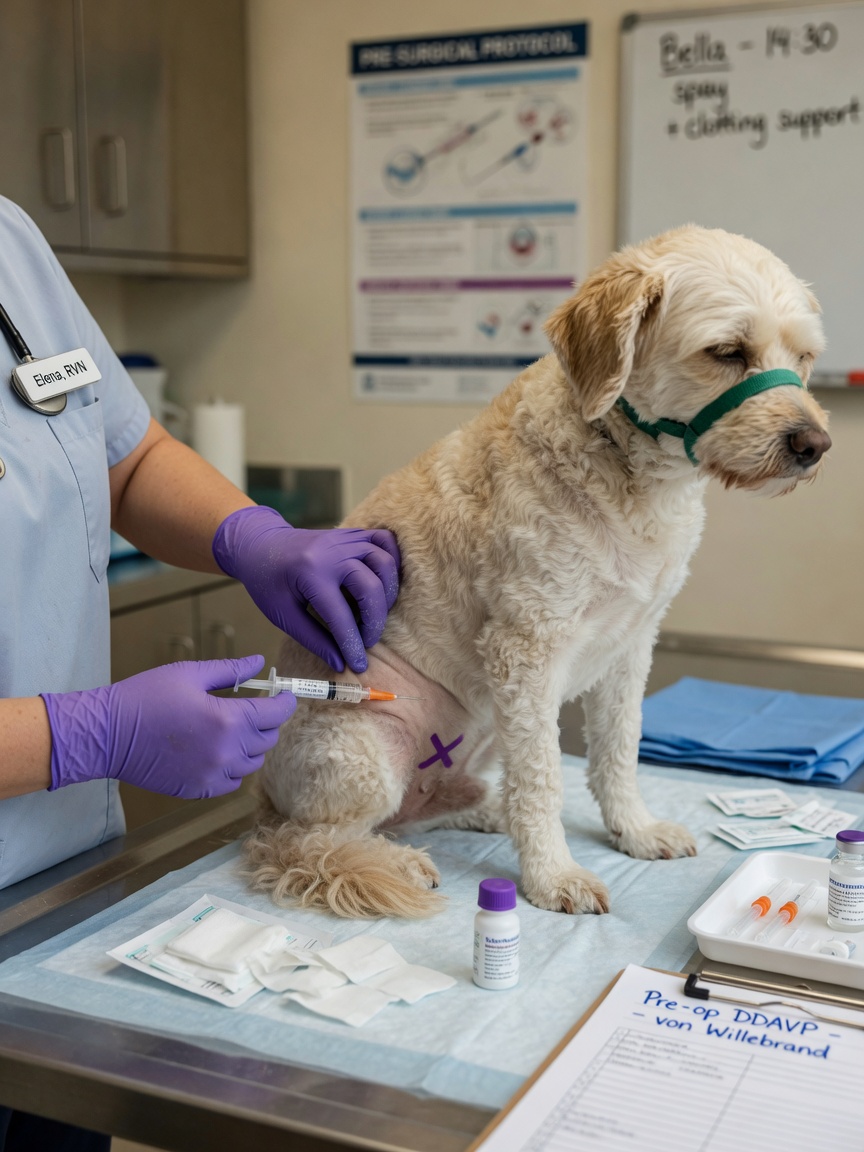
Surgery is the most significant risk scenario for dogs with vWD. Even routine procedures carry a risk of life-threatening haemorrhage in severely affected dogs. Pre-surgical planning is critical.
Pre-Surgical Management Options
- Desmopressin (DDAVP): A synthetic hormone that stimulates the release of stored vWF from blood vessel walls. It can temporarily raise vWF levels and is given by injection before surgery. It is most effective in Type 1 cases.
- Fresh frozen plasma or cryoprecipitate transfusion: These blood products contain vWF and are used before and during surgery to supplement deficient levels. Cryoprecipitate is preferable as it is more concentrated in vWF.
- Minimising surgical trauma: Experienced surgeons aware of the diagnosis can adapt their technique to reduce haemorrhage risk.
If your dog has been diagnosed with vWD or belongs to a high-risk breed, always disclose this to any veterinarian before any procedure — including dental cleaning, which often involves minor bleeding.
Breeding Considerations and Genetic Testing
Because vWD is inherited, responsible breeding requires DNA testing. Both parents should ideally be tested before mating, as affected dogs can pass the gene to offspring even when they themselves show minimal symptoms. Many breed clubs now recommend or require vWD testing as part of health screening protocols.
Dogs with Type 3 vWD should not be bred. Carriers (one copy of the gene, often showing mild or no symptoms) should ideally be bred only to clear dogs to avoid producing affected offspring.
Living Well with Von Willebrand Disease
- Have your dog tested before any planned surgery, particularly if they belong to a high-risk breed
- Inform your vet of the diagnosis at every visit and before every procedure
- Avoid medications that impair platelet function, including aspirin and certain non-steroidal anti-inflammatories, unless directed by your vet
- Keep a first aid kit accessible and know how to apply pressure to wounds
- Type 1 dogs often live completely normal lives with appropriate precautions in place
- Consult a veterinary haematologist or internist for complex cases or before major surgical procedures