
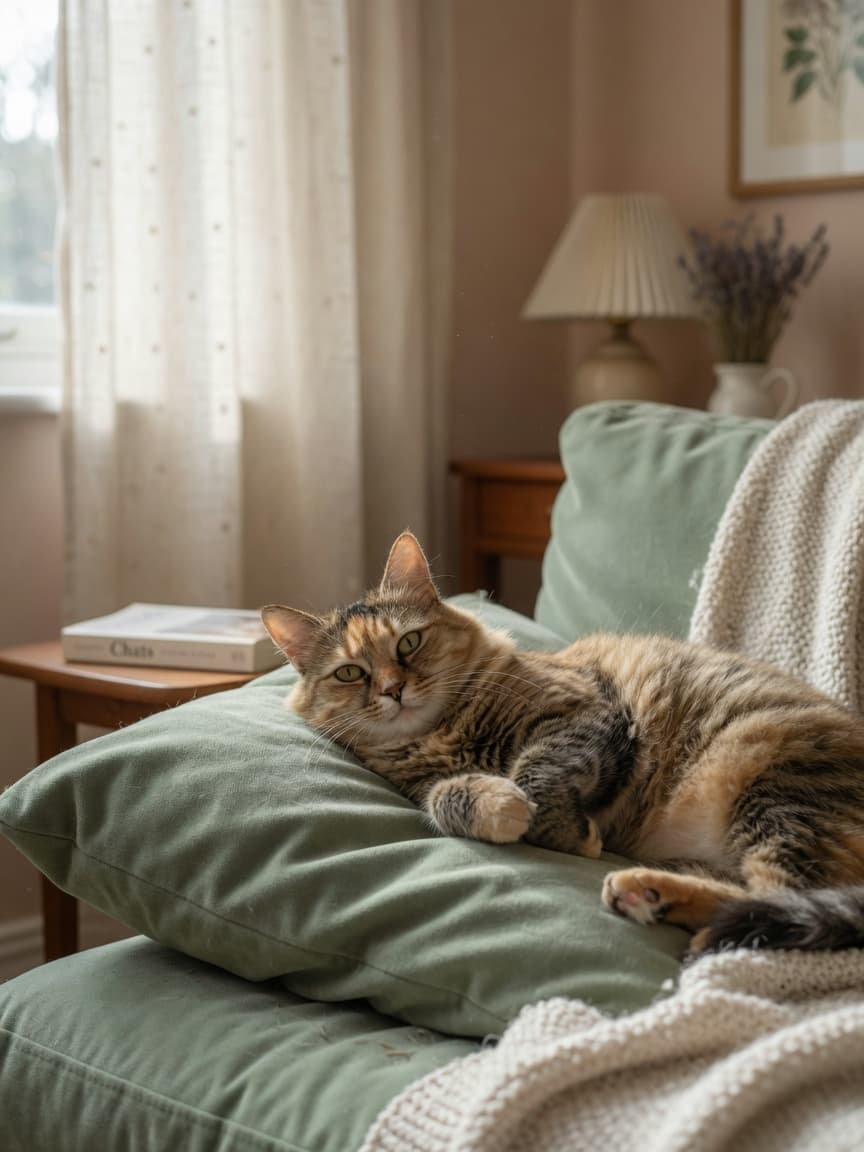
Why Does My Cat Meow So Much? Reasons and Solutions
Adult cats meow almost exclusively to communicate with humans — so when they meow a lot, they're trying to tell you something.
Normal Reasons for Meowing
- Hunger or food request
- Greeting you when you come home
- Requesting attention or play
- Asking to go out or come in
Concerning Reasons
- Pain or illness — sudden increase in vocalisation in a normally quiet cat should prompt a vet visit
- Hyperthyroidism — causes restlessness and increased vocalisation in older cats
- Cognitive dysfunction — older cats with feline dementia often vocalise more, especially at night
- Hearing loss — deaf cats often vocalise more loudly
Breeds That Meow More
Siamese, Oriental Shorthairs, and Burmese cats are naturally more vocal. This is breed-normal, not a problem.
What Not to Do
Never punish vocalisation. If you respond to meowing with attention or food, you train more meowing. Reward quiet behaviour instead.
Key takeaways
- Adult cats meow primarily to communicate with humans, not other cats
- Normal meowing includes requests for food, greetings, attention, and access outdoors
- A sudden increase in meowing in a quiet cat may indicate pain, illness, hyperthyroidism, or cognitive dysfunction—especially in older cats
- Siamese, Oriental Shorthairs, and Burmese breeds are naturally more vocal and this is completely normal
- Rewarding quiet behaviour and avoiding responding to meowing with food or attention helps prevent excessive vocalisation
Frequently asked questions
Is it normal for my cat to meow all the time?
It depends on your cat's breed and age. Siamese and Oriental Shorthairs are naturally more vocal, so constant meowing is normal for them. However, if your normally quiet cat suddenly meows excessively, this warrants a vet visit to rule out health issues like hyperthyroidism or cognitive dysfunction.
Why does my older cat meow at night?
Older cats that meow frequently, especially at night, may have cognitive dysfunction (feline dementia) or hyperthyroidism, both of which increase vocalisation. A vet can help determine the cause and discuss treatment options.
How do I stop my cat meowing for food?
Avoid responding to meowing with food, as this trains your cat to meow more. Instead, feed your cat on a set schedule and reward quiet behaviour with attention or treats. This breaks the cycle of meowing leading to feeding.
What should I do if my deaf cat meows too loudly?
Cats with hearing loss often vocalise more loudly because they cannot hear themselves. This is a natural adaptation and not harmful, though you can reward quiet behaviour with positive reinforcement.