
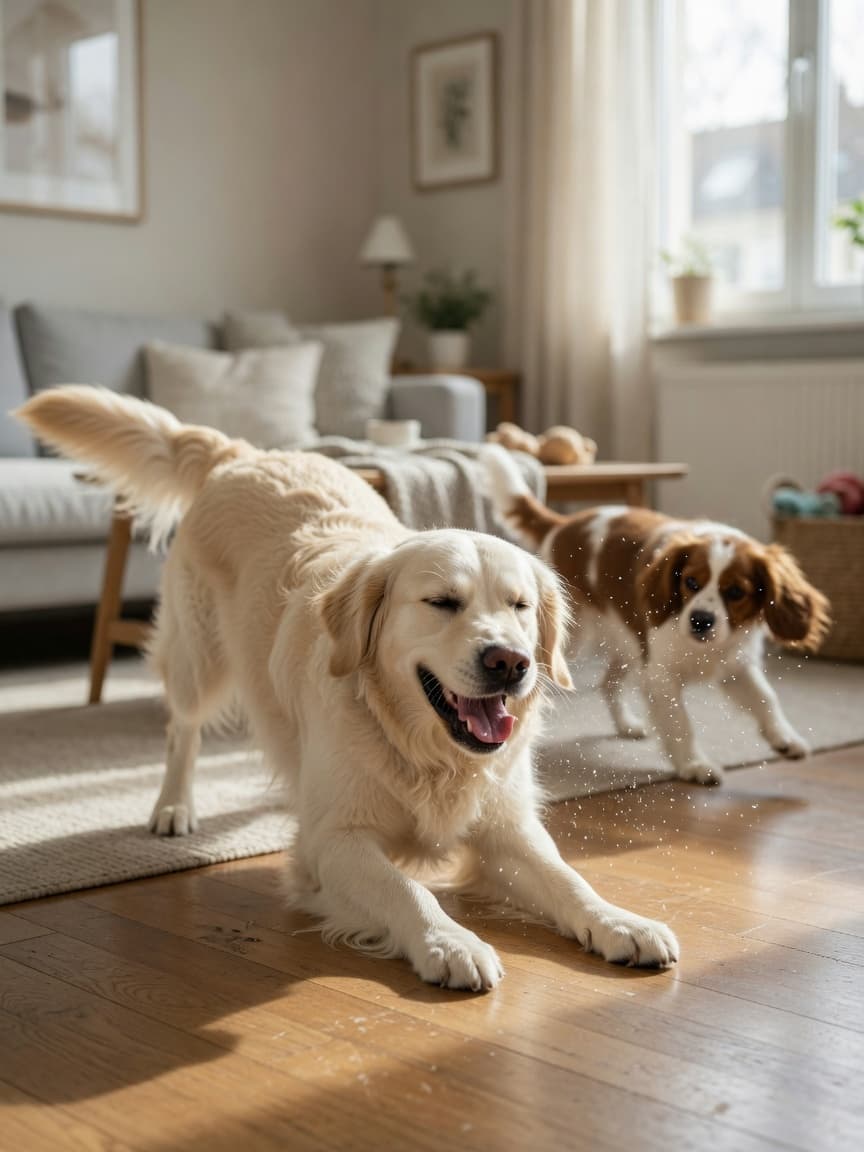
If your dog erupts into a fit of sneezing during playtime, you're not alone in noticing this quirky behaviour. Many dog owners find themselves wondering whether these sneezes signal a health concern or simply represent a normal part of canine fun. The good news is that play-induced sneezing is usually completely harmless and, in fact, tells us something rather fascinating about how dogs communicate and experience excitement. Understanding the reasons behind these playful sneezes can help you enjoy your dog's antics with confidence whilst remaining alert to any genuine health issues.
The "Play Sneeze" Phenomenon
Dogs sneeze during play for several interconnected reasons, and vets generally refer to this as "play sneezing" or contextual sneezing. This occurs specifically during moments of excitement, social interaction, or vigorous activity, rather than being linked to illness or allergens. Play sneezing is so common that behaviourists consider it a normal part of healthy canine development and social engagement.
The primary physical explanation lies in the elevated arousal state your dog enters during play. Increased heart rate, excitement, and physical exertion naturally stimulate the nasal passages and respiratory system, making sneezing more likely to occur. Think of it as similar to how humans sometimes sneeze when stepping into bright sunlight—the stimulus is innocent, but it triggers a reflexive response.
Play Sneezing as Communication
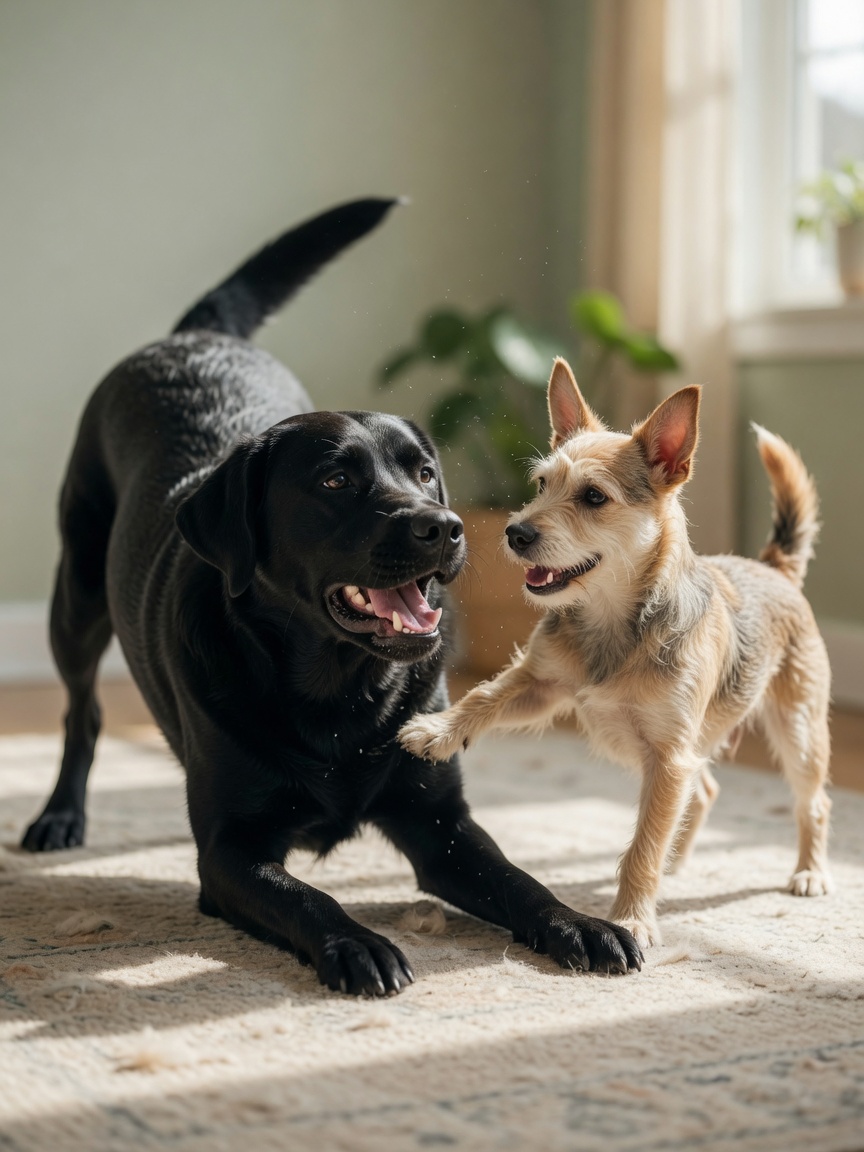
Beyond the purely physical explanation, play sneezing serves an important communicative function. Dogs use contextual sneezes as a way to signal to other dogs (and their humans) that they're engaged in play mode and haven't lost control. It's essentially a friendly, non-threatening way of saying, "This is all fun and games."
During multi-dog play sessions, you'll often notice that sneezing accompanies play bows and other playful body language. Researchers studying canine behaviour have observed that play sneezes often precede particularly vigorous play interactions, suggesting they might serve as a social cue to keep activities light-hearted and prevent things from escalating into genuine aggression.
When Should You Be Concerned?
Whilst play sneezing is entirely normal, it's worth knowing when sneezing might indicate a genuine problem requiring veterinary attention. Consider visiting your vet if you notice:
- Sneezing that occurs outside of play sessions and seems excessive
- Sneezing accompanied by nasal discharge, particularly if it's coloured or bloody
- Sneezing combined with lethargy, loss of appetite, or other illness signs
- Sudden onset of sneezing in a previously healthy dog
- Reverse sneezing (a distinctive honking sound that differs from normal sneezes)
- Sneezing that disrupts your dog's normal sleep or activity patterns
These signs might suggest allergies, infections, foreign objects in the nasal cavity, or other conditions requiring professional assessment.
Differentiating Play Sneezing from Health Issues
The context matters tremendously. Play sneezes typically occur during active interaction, cease when play stops, and aren't accompanied by other symptoms. Your dog will seem perfectly well otherwise—eating normally, maintaining energy levels, and showing no signs of distress. True allergic or infectious sneezing tends to be persistent and occurs regardless of activity level.
Supporting Your Playful Pup
To keep your dog comfortable during enthusiastic play sessions, ensure they have:
- Regular breaks for water and rest
- Clean, dust-free play environments
- Appropriate exercise matched to their age and fitness level
- A comfortable sleeping area away from potential irritants
- Regular grooming to minimise loose fur that might trigger sneezing
Key Takeaways
Play sneezing is a delightful and entirely normal behaviour that reflects your dog's excitement and engagement. It's part of their social toolkit and physical response to arousal. However, remain observant of any changes in your dog's sneezing patterns, frequency, or associated symptoms. If sneezing persists outside playtime or occurs alongside other concerning signs, schedule a veterinary check-up for peace of mind. Most importantly, enjoy watching your dog's enthusiasm—those little sneezes are just evidence of a dog having genuine fun.