
Understanding Diabetes Mellitus in Dogs
Diabetes mellitus is a condition in which the body is unable to regulate blood glucose effectively. In dogs, the most common form is Type 1 diabetes, also known as insulin-dependent diabetes mellitus. Unlike the Type 2 diabetes more frequently seen in cats and humans, canine diabetes almost always involves permanent destruction or dysfunction of the insulin-producing beta cells in the pancreas. This means dogs virtually always require lifelong insulin therapy to survive.
Without adequate insulin, glucose cannot enter the body's cells to be used as energy. Instead, it accumulates in the bloodstream, leading to a cascade of metabolic problems. Early diagnosis and consistent management are essential for giving your dog the best possible quality of life.
Which Dogs Are at Higher Risk?
Diabetes can affect any dog, but certain groups carry a significantly elevated risk. Entire (unspayed) bitches are particularly vulnerable due to hormonal influences on insulin sensitivity. During the luteal phase of the reproductive cycle, progesterone stimulates the production of growth hormone from the mammary glands. This growth hormone drives insulin resistance, which can cause a transient, or temporary, form of diabetes. If this hormonal diabetes is not recognised and addressed quickly — typically through spaying — the sustained stress on the pancreatic beta cells can result in permanent diabetes.
For this reason, spaying an entire bitch as soon as diabetes is diagnosed is strongly recommended by veterinary endocrinologists. In some cases, spaying during the early transient phase can lead to complete resolution of the diabetes without any need for ongoing insulin.
Certain breeds also appear to have a genetic predisposition to diabetes. These include:
- Samoyeds
- Keeshonds
- Australian Terriers
- Miniature and Toy Poodles
- Pugs
- Bichon Frises
Obesity, chronic pancreatitis, and concurrent use of corticosteroids or progestagens also increase the risk of developing diabetes in any dog.
Recognising the Signs of Diabetes
The classical signs of uncontrolled diabetes in dogs are easy to remember. They include increased thirst (polydipsia), increased urination (polyuria), increased appetite (polyphagia), and unexplained weight loss despite eating well. As the disease progresses without treatment, dogs may develop cataracts — which is extremely common in diabetic dogs — lethargy, recurrent infections, and, in severe cases, a life-threatening complication called diabetic ketoacidosis (DKA).
Insulin Therapy: The Cornerstone of Treatment
Almost all diabetic dogs will require twice-daily insulin injections for the rest of their lives. The most commonly prescribed insulin in the United Kingdom and Europe is Caninsulin (porcine insulin zinc suspension), which is licensed specifically for use in dogs and cats. It is an intermediate-acting insulin given every 12 hours, ideally at the same time each day in conjunction with a meal.
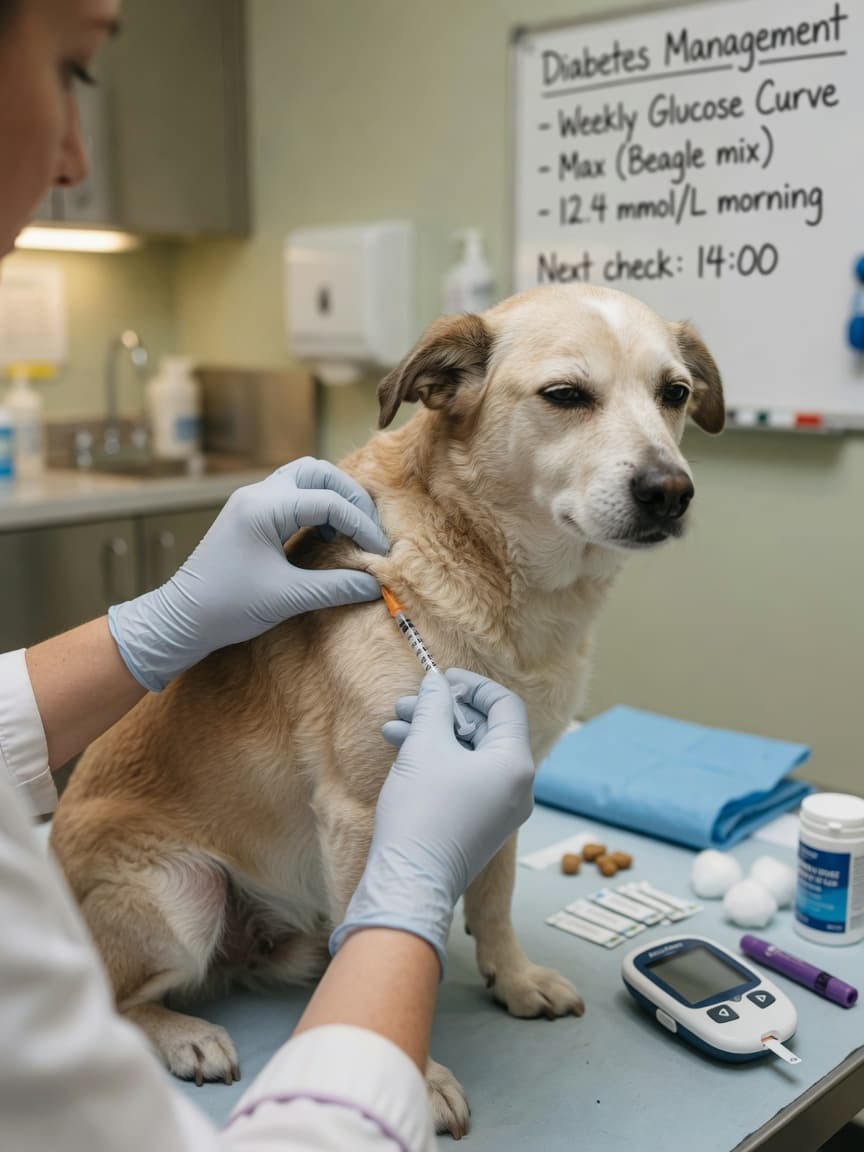
Your vet will calculate the starting dose based on your dog's weight and will adjust it over the following weeks based on glucose monitoring results. Injections are given subcutaneously — typically into a fold of skin along the scruff of the neck or behind the shoulders — and most dogs tolerate them extremely well. With practice, the majority of owners find the process straightforward and stress-free for both pet and owner.
Home Glucose Monitoring with AlphaTrak
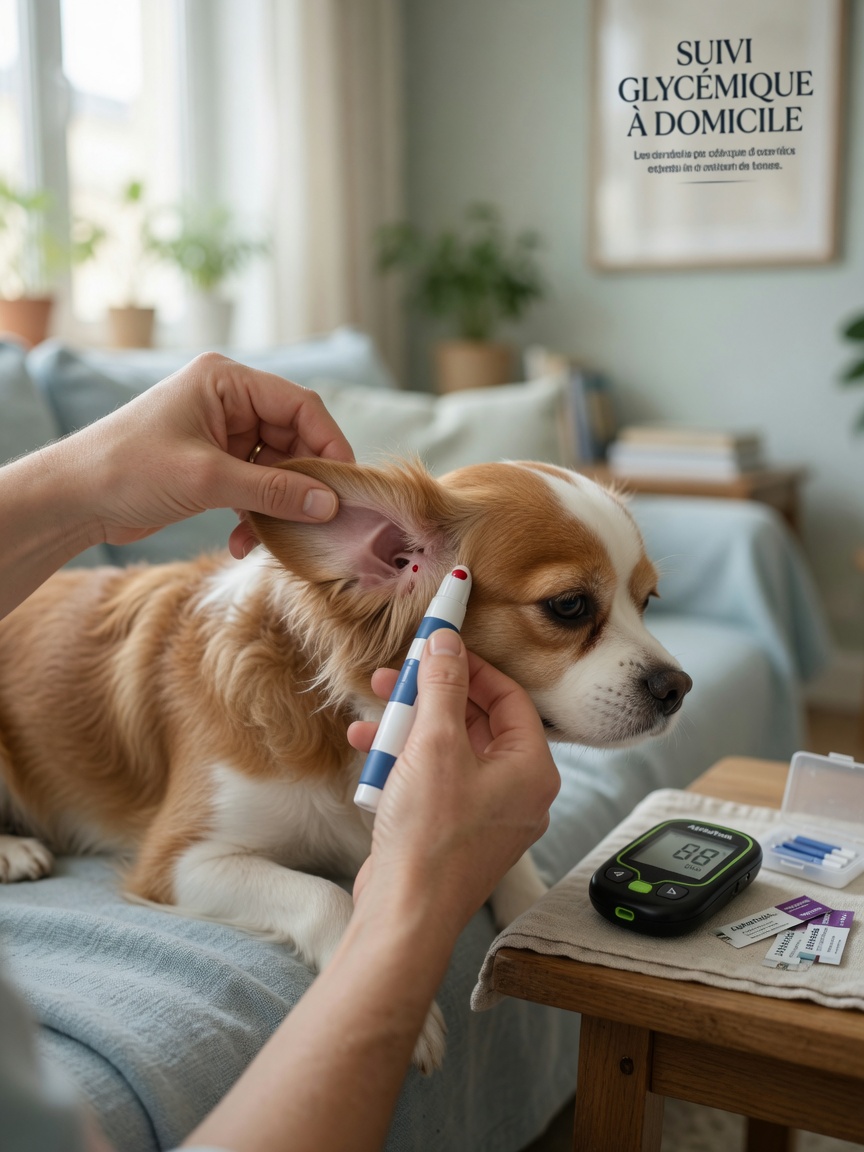
Monitoring blood glucose at home is one of the most valuable tools available to owners of diabetic dogs. The AlphaTrak glucometer is the gold standard device for this purpose, as it is specifically calibrated for canine and feline blood, providing more accurate results than human glucometers.
Blood samples are typically taken from the inner surface of the ear pinnae (ear flap) or the paw pad. Home monitoring allows owners to construct glucose curves — a series of readings taken every one to two hours over a 12-hour period — which give a much clearer picture of how well the insulin is working than a single in-clinic measurement. Stress at the vet can significantly elevate glucose readings, making home curves particularly valuable for accurate assessment.
Aim for blood glucose readings to remain in the range of approximately 5 to 14 mmol/L throughout the day, avoiding persistent highs (hyperglycaemia) and dangerous lows (hypoglycaemia).
Diet and Routine: Non-Negotiable for Good Control
Consistent feeding is absolutely critical in a diabetic dog. Meals should be given at the same times each day, immediately before or alongside insulin injections, and the quantity of food must remain consistent. Fluctuations in food intake directly affect glucose levels and can destabilise even a well-regulated dog.
A diet high in complex carbohydrates and fibre is generally recommended, as it slows glucose absorption and helps blunt post-meal glucose spikes. Avoid high-sugar treats or variable feeding patterns. Many vets recommend prescription diabetic diets, though the most important factor is consistency rather than any single specific food.
Recognising and Managing Hypoglycaemia
Hypoglycaemia — abnormally low blood glucose — is the most immediately dangerous complication a diabetic dog can experience. It can occur if too much insulin is given, if a meal is missed, or if the dog vomits after receiving its injection.
Signs of hypoglycaemia include:
- Sudden weakness or wobbliness
- Trembling or muscle twitching
- Disorientation or glassy-eyed staring
- Seizures in severe cases
- Collapse or loss of consciousness
If you suspect hypoglycaemia, rub a small amount of glucose gel, honey, or Karo syrup onto your dog's gums immediately and contact your vet without delay. Never give insulin to a dog that has not eaten, and always keep a glucose source accessible at home. With prompt action, hypoglycaemic episodes are rarely fatal, but they must always be taken seriously.
Long-Term Outlook
Diabetes in dogs is not a death sentence. With dedicated management, many diabetic dogs live happy, full lives for years after diagnosis. Regular veterinary check-ups, consistent home monitoring, and unwavering routine are the pillars of successful long-term control. The time and effort invested in managing this condition pays dividends in the quality of life your dog enjoys.