
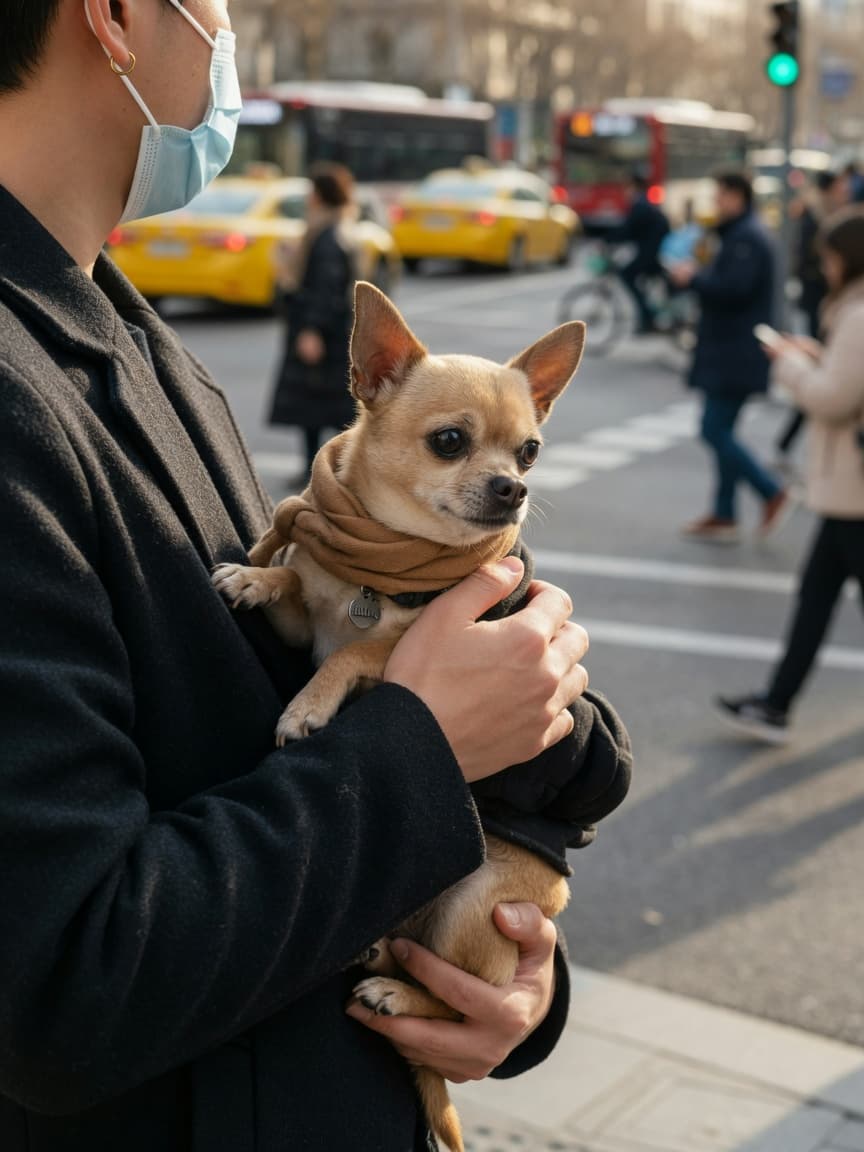
Small dog owners often find themselves naturally reaching down to scoop up their canine companions. Whether you're navigating a busy high street, greeting an enthusiastic Labrador, or simply wanting cuddles on the sofa, picking up your small dog feels instinctive. However, there are specific times when lifting your dog can genuinely improve their wellbeing—and others when it might cause harm. Understanding the right moments to pick up your small dog is crucial for their physical health, emotional security, and long-term relationship with handling.
When Picking Up Your Dog Is Beneficial
There are several situations where lifting your small dog is not only appropriate but genuinely helpful for their safety and wellbeing.
- During genuine safety threats: If your dog is approaching traffic, unknown aggressive dogs, or other hazards, picking them up is absolutely the right response. This removes them from immediate danger far more effectively than commands alone.
- At the veterinary surgery: Your vet will need to examine your dog, and being held securely by their owner during handling reduces anxiety and keeps them calm on the examination table.
- When crossing busy roads: If you cannot safely hold your dog's hand with a lead during a particularly congested crossing, picking them up provides complete control and protection.
- During medical treatments: Holding your small dog during nail trims, ear cleaning, or medication administration helps your vet or groomer work efficiently whilst keeping your dog reassured.
- In unfamiliar, overwhelming environments: Shows, rescue shelters, or crowded public spaces can terrify small dogs. Brief periods of being held by you can provide genuine comfort.
- When they're injured or unwell: A limping or obviously distressed dog should be carried to prevent further injury or exhaustion.
When You Shouldn't Pick Up Your Dog
Equally important is recognising situations where picking up your small dog might actually undermine their development, independence, or physical health.
- During normal socialisation walks: Carrying your small dog past other dogs, people, and environmental stimuli prevents them from learning to navigate the world confidently. They need ground-level experience with novel situations to build resilience.
- When they show minor anxiety: A dog who is slightly nervous but not in danger learns that being picked up is a reward for nervous behaviour. This reinforces anxiety rather than helping them overcome it. Instead, allow them to investigate at their own pace.
- As a substitute for training: If your dog pulls on the lead or refuses to walk, lifting them avoids the necessity of loose lead training. Small dogs particularly benefit from learning to walk properly beside you.
- During toilet breaks: Some owners carry their small dogs directly to designated toilet areas. Dogs need to walk and explore to stimulate their bowels naturally and get adequate exercise.
- When they're overweight: Carrying excess weight yourself and reducing your dog's natural movement contributes to obesity, a serious health concern in small breeds.
Proper Handling Technique
When you do need to pick up your small dog, technique matters significantly. Support their hindquarters with one hand whilst cradling their chest with the other. Never grab them by the front legs or neck, as this can cause shoulder or spinal injuries. Hold them close to your body rather than at arm's length, providing a sense of security.
Age and Health Considerations
Senior small dogs with arthritis may find being lifted uncomfortable or even painful. Puppies under 16 weeks old have fragile developing bones, so frequent lifting should be minimised. Dogs with back problems, intervertebral disc disease (common in breeds like Dachshunds), or heart conditions should be handled minimally and with extreme care.
Building Confidence Through Ground Experience
The most confident small dogs are those who spend plenty of time on their own four feet, experiencing the world at ground level. Whilst picking up your dog occasionally is perfectly fine, encouraging independence and exploration builds a psychologically healthier, more resilient companion.
Key Takeaways
Pick up your small dog when safety demands it, during veterinary care, or when they're genuinely distressed. Avoid carrying them during normal walks, as compensation for training gaps, or as a solution to minor anxiety. Use proper handling technique, consider their age and health status, and remember that time on their own paws builds the confident, well-adjusted dog you're aiming for. Balance your natural desire to cuddle and protect with your dog's genuine developmental and physical needs.