
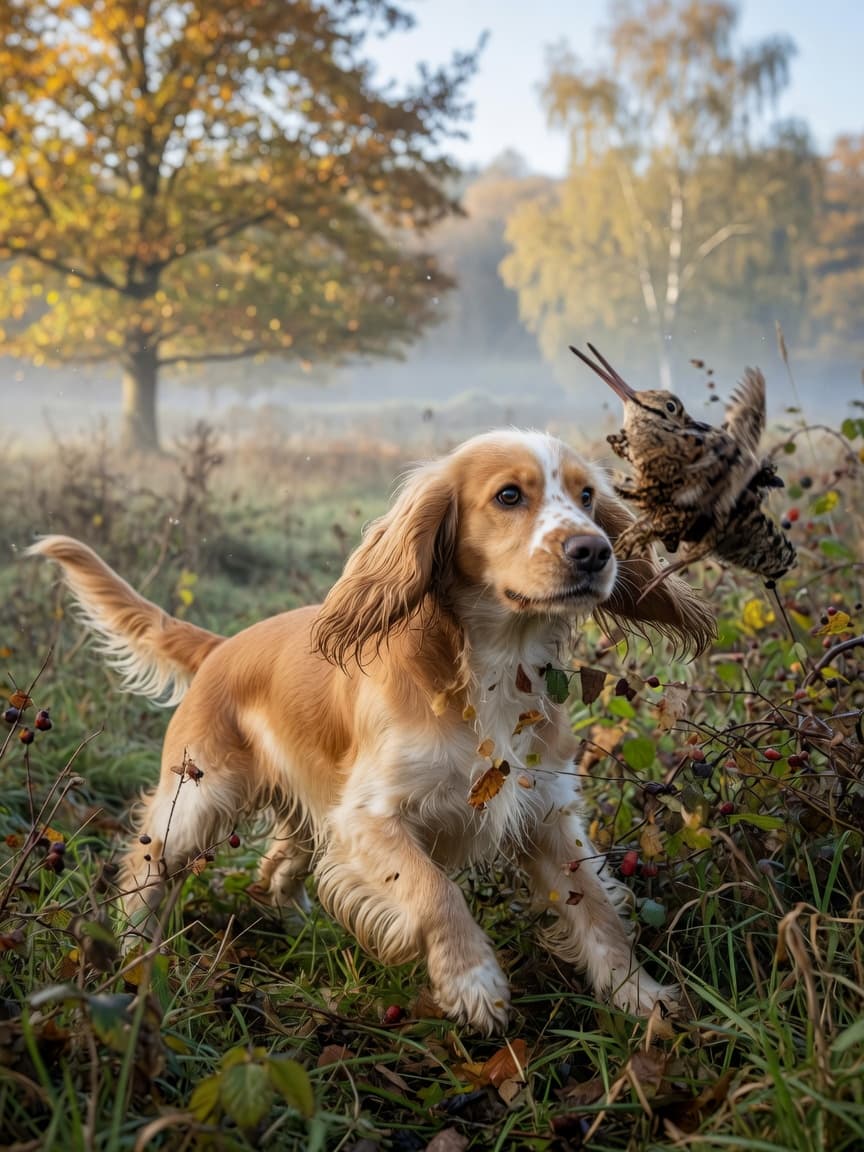
Cocker Spaniels are among Europe's most beloved dog breeds, renowned for their silky coats, warm temperament, and remarkable hunting abilities. But have you ever wondered why these charming companions behave the way they do, or what their original purpose was? Understanding a breed's history is the key to unlocking better care and a happier relationship with your furry friend. This comprehensive guide explores the fascinating origins of Cocker Spaniels and what that heritage means for modern pet owners.
The Ancient Origins of Spaniels
The spaniel family has roots stretching back centuries, with evidence suggesting these dogs originated in Spain during the Middle Ages. The name "spaniel" likely derives from "Espagnol," meaning Spanish. These early spaniels were prized by nobility and hunters alike for their exceptional ability to flush game birds from dense brush and undergrowth.
By the 14th and 15th centuries, spaniels had become popular across Europe, particularly among the upper classes. Medieval tapestries and paintings frequently depicted these eager, energetic dogs working alongside hunters. Their natural instinct to seek out and flush game made them invaluable before the development of firearms.
The Cocker Spaniel's Specific Purpose
The Cocker Spaniel's name reveals its primary historical function. "Cocker" is believed to derive from "woodcock," a small game bird these spaniels were particularly skilled at flushing out. During the 19th century, British breeders selectively developed the Cocker Spaniel as a distinct breed specifically for hunting woodcock and other small game birds.
Key characteristics were selectively bred for hunting success:
- Compact Size: Smaller than other spaniels, making them nimble enough to navigate dense cover
- Water-Resistant Coat: The distinctive double coat protected them in wet terrain
- Strong Nose: An exceptional sense of smell allowed them to locate hidden game
- Boundless Energy: Stamina to work throughout long hunting days
- Eager Temperament: Natural enthusiasm for retrieving and pleasing their handlers
How Breed History Shapes Modern Behaviour
Understanding what Cocker Spaniels were bred for is essential for modern pet owners. Their hunting heritage directly influences their behaviour today. These dogs possess:
- A strong prey drive—they'll chase small animals and birds if given opportunity
- Natural retrieving instinct—they love carrying objects in their mouths
- High energy levels requiring substantial daily exercise
- Eagerness to please, making them generally responsive to training
- Sensitivity and intelligence, requiring patient, positive reinforcement methods
Many behavioural problems in Cocker Spaniels stem from insufficient mental and physical stimulation. These aren't lap dogs content with short walks; they need purposeful activity that engages their hunting instincts.
Caring for Your Cocker Spaniel's Heritage
Recognising your Cocker Spaniel's breeding purpose helps you provide better care:
- Exercise Regularly: Aim for at least 60 minutes of daily exercise, including off-lead time if safely possible
- Provide Mental Stimulation: Puzzle toys, scent games, and retrieval exercises channel their hunting instincts constructively
- Maintain Their Coat: Regular grooming prevents the matting that would hinder their original working ability
- Consider Gun Dog Training: Even non-hunters benefit from spaniel-specific training classes that respect their breeding
- Monitor Prey Drive: Keep them secure around small pets and birds, using proper fencing and recall training
Key Takeaways
Cocker Spaniels were meticulously bred over centuries to be tireless, intelligent hunting companions with an instinctive drive to seek and retrieve game. Today's Cocker Spaniels carry these traits in their DNA, which explains their enthusiasm, energy, and sometimes challenging behaviour. By understanding and respecting their heritage, you can provide the physical activity, mental engagement, and purposeful training these remarkable dogs genuinely need to thrive. Your Cocker Spaniel isn't just a pet—they're a working dog at heart, and honouring that heritage leads to a happier, more balanced companion.
```