
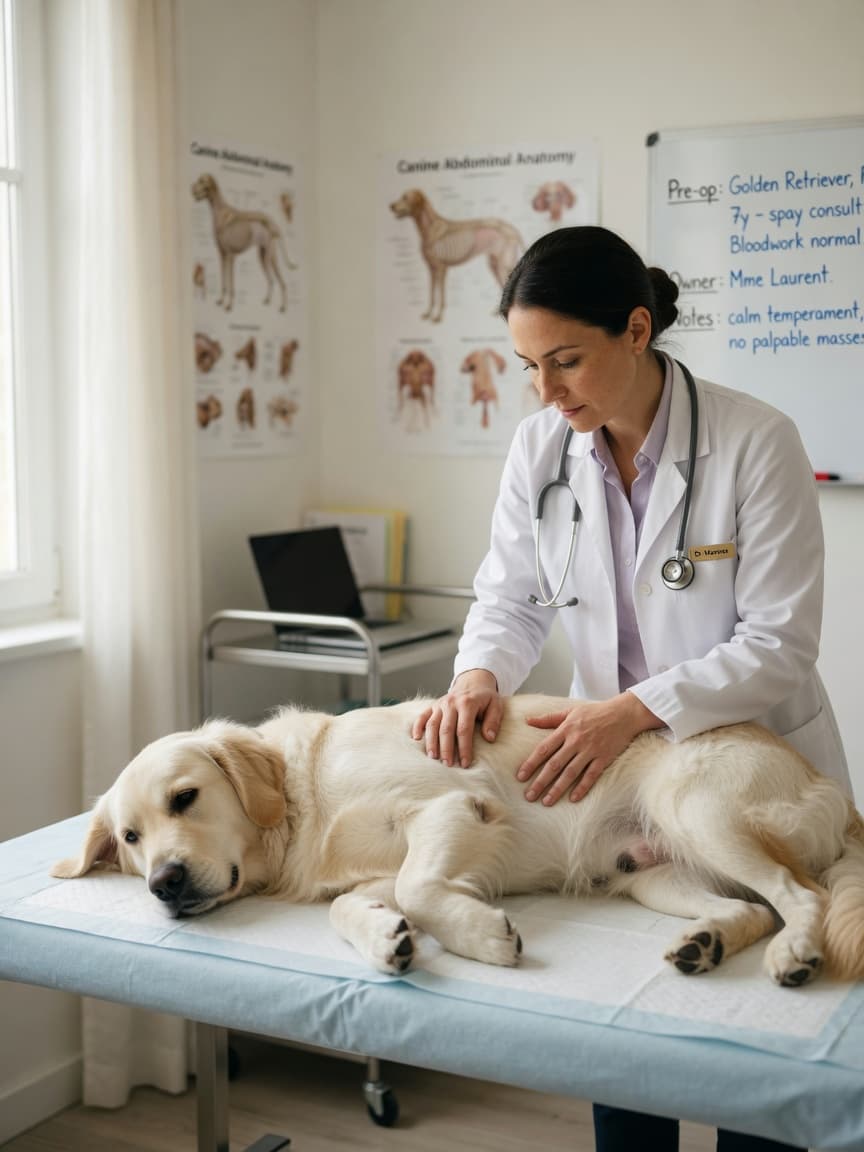
Spaying a Female Dog: Why Timing Is Everything
Spaying, the surgical removal of the ovaries and uterus (or in some procedures, ovaries alone), is the most commonly performed elective surgery in female dogs across Europe. When timed correctly, it offers significant long-term health benefits. Timed poorly, it may increase the risk of certain orthopaedic conditions, particularly in larger breeds.
Understanding when to spay your female dog requires looking at her breed, her size, her individual health picture, and the latest European veterinary guidance. This article walks you through everything you need to know.
Why Spaying Age Matters
Sex hormones — primarily oestrogen and progesterone — play a meaningful role in skeletal development, especially during the months before and around puberty. These hormones influence the closure of growth plates, the formation of joints, and even muscle development around key structures such as the hip and stifle.
Remove those hormones too early via spaying, and you may alter bone development in ways that increase vulnerability to joint problems later in life. Leave an intact female dog unspayed for too long, however, and she faces increasing risk of mammary tumours, pyometra, and the physical and psychological stress of repeated heat cycles.
The goal is to find the right window for each individual dog.
What the Evidence Says About Mammary Tumour Prevention
One of the most frequently cited benefits of early spaying is the reduction in mammary tumour risk. Research has historically suggested that spaying before the first heat cycle reduces this risk by around 99.5%, while spaying after one season still confers significant protection. After the second season, the protective effect diminishes considerably.
It is worth noting that more recent systematic reviews, including those referenced by WSAVA, suggest the evidence quality in older studies was variable. Nevertheless, most European vets still consider spaying before or around the first season to be beneficial for mammary health, particularly in breeds with a known predisposition such as the Spaniel and Poodle.
Recommended Age by Breed Size
Small Breeds (Under 10 kg)
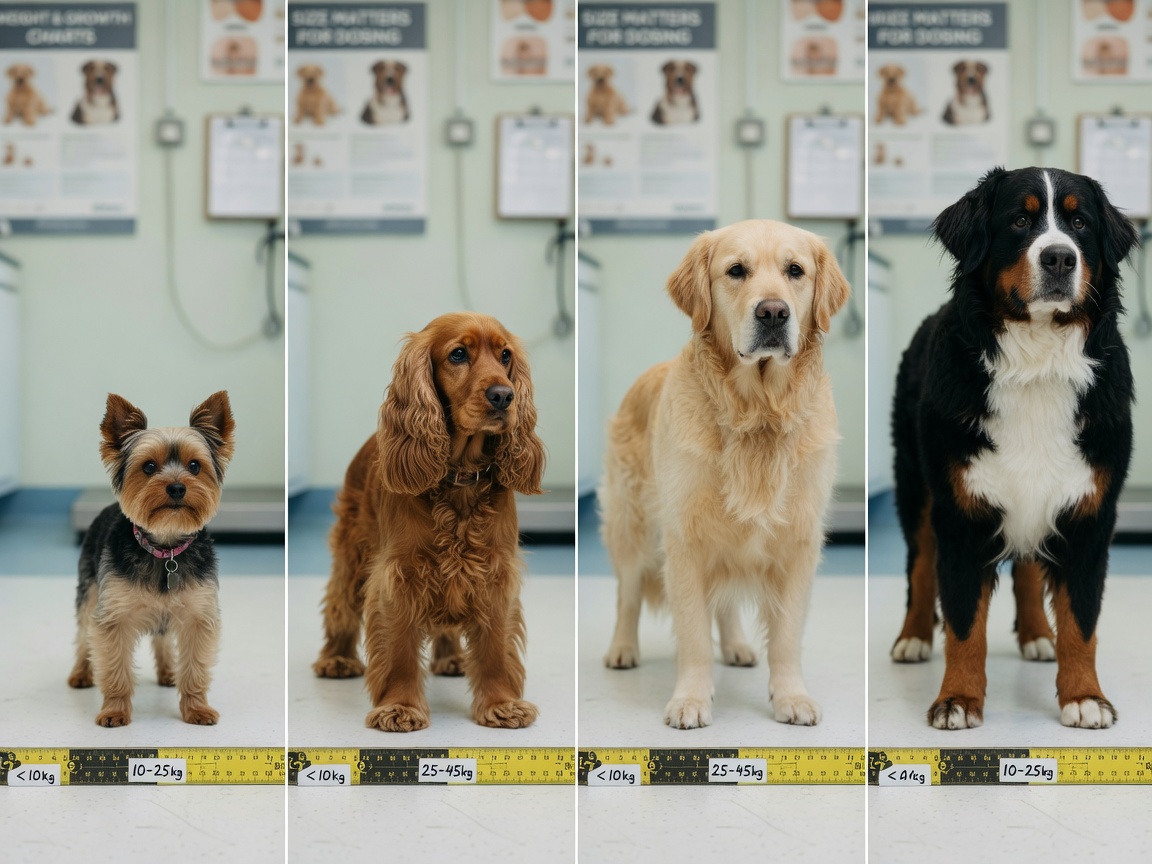
For small breeds such as Yorkshire Terriers, Maltese, and Miniature Schnauzers, spaying from five to six months is widely accepted in European practice. These dogs reach skeletal maturity relatively early, and the hormonal influence on joint development is much less significant than in larger breeds. Many owners choose to spay before the first season to avoid the inconvenience of managing a dog in heat.
Medium Breeds (10–25 kg)
For medium-sized dogs, including Cocker Spaniels, Whippets, and Beagles, most European vets recommend spaying either before the first season at around six months, or after the first season has fully ended, typically at around seven to nine months of age. Spaying mid-cycle or too close to a season is generally avoided as it can increase the risk of surgical complications.
Large Breeds (25–45 kg)
In large breeds such as Labrador Retrievers, Golden Retrievers, and German Shepherd Dogs, the recommendation has shifted significantly in recent years. Studies, particularly from the University of California, Davis, have shown that spaying before 12 months in these breeds is associated with notably higher rates of cranial cruciate ligament rupture and hip dysplasia.
Current European guidance for large breed females generally suggests waiting until 12 to 18 months, or until after the first or second heat cycle, to allow growth plates to close under the influence of natural oestrogen.
Giant Breeds (Over 45 kg)
For giant breeds such as Great Danes, Mastiffs, and Bernese Mountain Dogs, some European veterinary specialists recommend waiting until 18 to 24 months before spaying. The orthopaedic risks associated with early hormone removal are at their highest in these dogs, and owners are encouraged to discuss the timing carefully with an orthopaedically informed vet.
Understanding the Heat Cycle
Most female dogs have their first season between six and twelve months of age, though giant breeds may not cycle until 18 months. Each season lasts approximately three weeks, during which the dog will attract male dogs and may display restlessness, increased urination, and swelling of the vulva.
Spaying during or immediately after a season carries a higher surgical risk due to increased blood supply to the reproductive tract. Vets generally recommend waiting at least eight to ten weeks after the end of a season before scheduling surgery.
Health Benefits of Spaying
- Elimination of the risk of pyometra, a life-threatening uterine infection that affects around 25% of intact females by the age of 10
- Reduction in mammary tumour risk, particularly when spaying is performed before or around the first heat cycle
- Elimination of ovarian and uterine cancers
- Prevention of phantom pregnancies, which cause significant psychological distress in some dogs
- Elimination of the management burden of oestrus, including securing the dog from roaming males
Potential Risks to Discuss With Your Vet
- Urinary incontinence (oestrogen-responsive incontinence) affects a proportion of spayed females, more commonly in larger breeds; it is manageable with medication
- Early spaying in large and giant breeds is associated with increased risk of joint disorders, including cranial cruciate ligament disease and hip dysplasia
- Some research links early spaying in certain breeds to a higher incidence of specific cancers; your vet can advise on breed-specific risk profiles
- Weight gain following spaying is common due to reduced metabolic rate; calorie adjustment post-surgery is important
Recovery After Spaying
Spaying involves a small abdominal incision and is performed under general anaesthesia. Recovery is typically straightforward, though more involved than recovery from male castration due to the abdominal nature of the procedure.
Your dog will need restricted exercise — lead walks only — for 10 to 14 days. She must not be allowed to lick or interfere with the wound, so a recovery suit or buster collar is essential. A post-operative check is usually scheduled at 7 to 10 days.
Watch for signs of infection such as redness, swelling, heat at the wound site, or discharge, and contact your vet promptly if any of these develop. Most dogs recover fully within two weeks.
Making the Right Decision for Your Dog
The decision of when to spay is not one-size-fits-all. European veterinary thinking has moved clearly toward an individualised approach, taking into account breed size, lifestyle, owner preferences, and health risk profiles. WSAVA guidance supports this nuanced view and encourages vets to have detailed conversations with owners rather than applying blanket protocols.
If you are unsure, ask your vet to walk you through the specific risks and benefits for your dog's breed and size. A well-timed spay, carried out in a healthy animal, remains one of the most impactful health decisions you can make for your female dog's long-term wellbeing.