
Your cat's tail is far more than just a balancing tool—it's a sophisticated communication device that reveals your feline friend's emotional state, intentions, and even health concerns. Unlike dogs, whose tail wagging usually signals happiness, a cat's tail language is nuanced and complex. Learning to read these signals will deepen your bond with your cat and help you respond appropriately to their needs. Whether your cat is content, frightened, or preparing to pounce, their tail is broadcasting a message worth understanding.
The Vertical Tail: Confidence and Affection
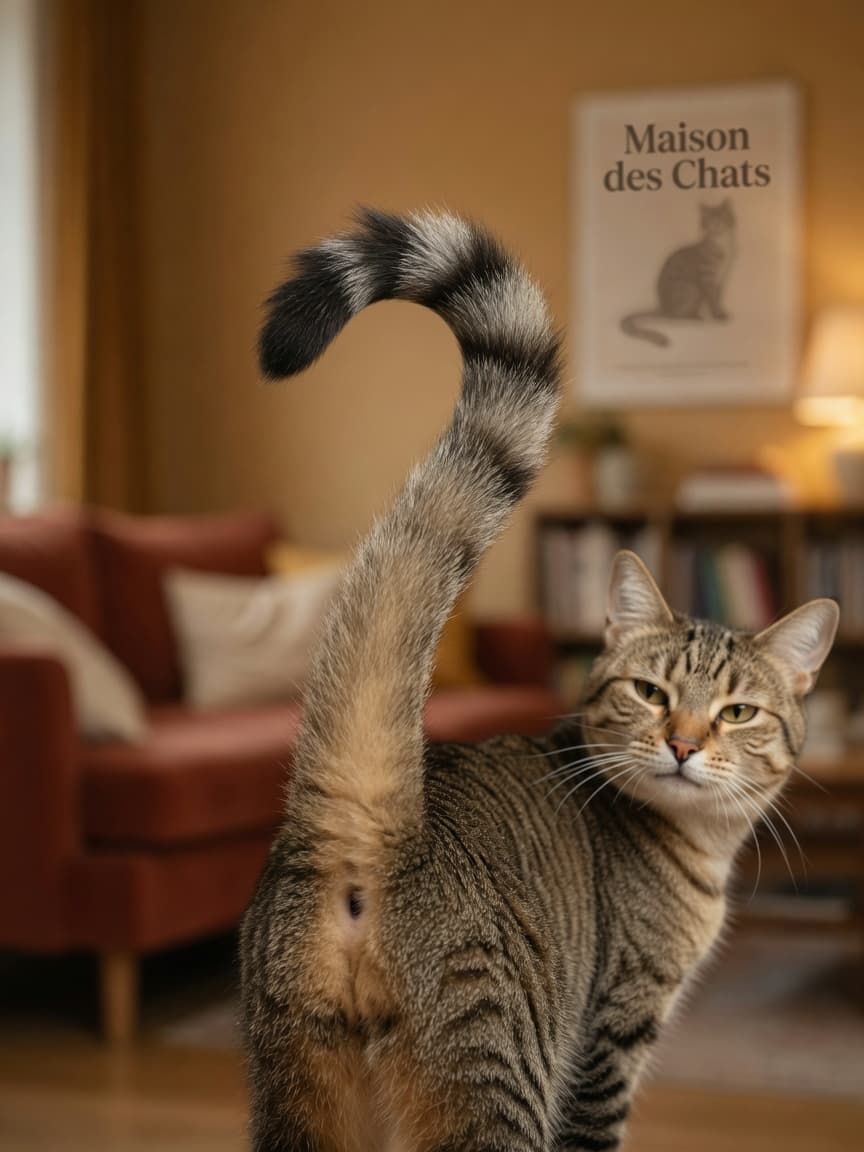
When your cat approaches you with their tail held straight up in the air, they're displaying confidence and contentment. A fully erect tail with a slight hook at the tip is often called the "question mark" position and typically indicates your cat is pleased to see you. This is a greeting gesture that shows trust and affection.
Kittens are born with this instinctive signal—they greet their mother with an upright tail. If your adult cat greets you this way regularly, it's a positive sign of a secure, healthy relationship. You'll often see this tail position when your cat is about to receive food, during playtime, or when they want your attention.
The Thrashing or Swishing Tail: Irritation and Hunting Mode
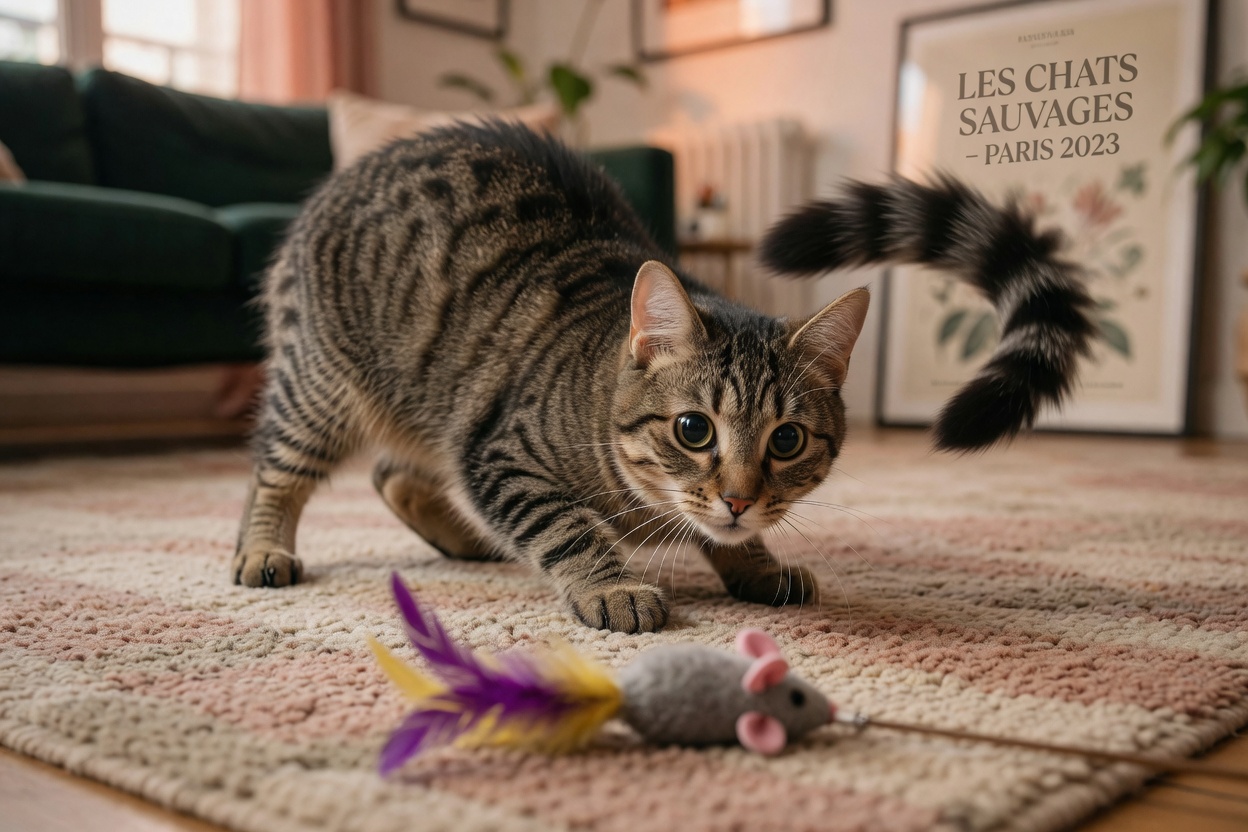
A tail that swishes back and forth rapidly, especially in a tense manner, indicates frustration or mounting irritation. This is your cat's warning system. If you're petting your cat and their tail suddenly begins thrashing, it's time to stop—your cat has reached their tolerance level.
However, slow, deliberate tail swishing during play is different. This often signals hunting focus and excitement. Watch the rest of your cat's body language: if they're crouching, wiggling their hindquarters, and their ears are forward, they're in prey-capture mode and thoroughly enjoying playtime.
The Puffed or Bottle-Brush Tail: Fear and Defence
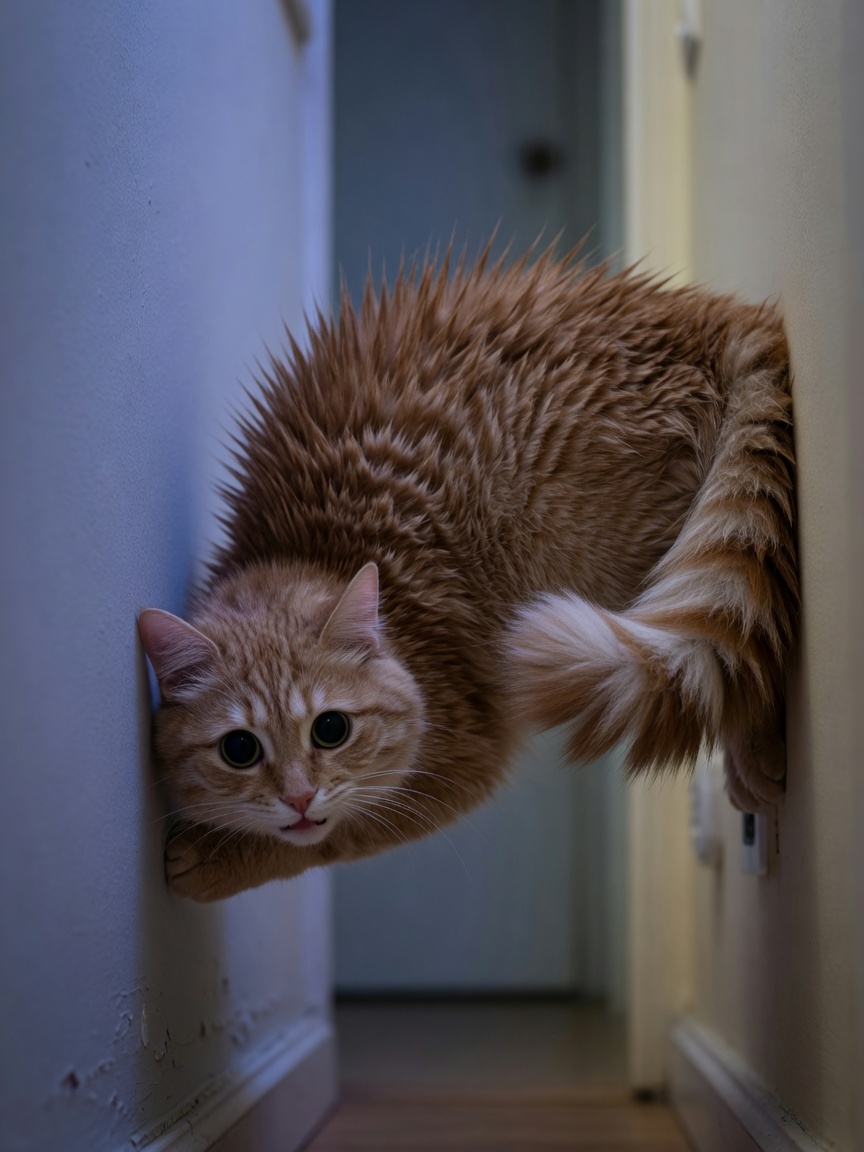
A tail that stands on end, looking three times its normal size, is your cat's fear response. This dramatic puffing serves two purposes: it makes your cat appear larger to potential threats and indicates they're frightened or feeling defensive.
If your cat's tail puffs up, they're experiencing genuine stress or anxiety. Common triggers include:
- Unfamiliar people or animals
- Loud noises or sudden movements
- Visits to the veterinary surgery
- Changes to their environment
- Feeling cornered or trapped
In these situations, give your cat space and allow them to retreat to a safe area where they can calm down naturally.
The Wrapped or Curled Tail: Contentment and Security
When your cat's tail wraps around their body or curls around your leg or arm, they're expressing deep contentment and affection. A tail wrapped around your leg whilst you're standing or sitting is a classic sign that your cat considers you part of their family group. This behaviour mimics how mother cats and littermates interact.
A curled tail also provides comfort—cats often curl their tails around themselves for warmth and security, especially when resting or sleeping.
The Low or Tucked Tail: Anxiety and Submission
A tail held low between the hind legs signals anxiety, fear, or submission. This posture indicates your cat is feeling vulnerable or has been startled. Unlike the puffed-up defensive tail, a tucked tail suggests your cat is trying to make themselves small and non-threatening.
If your cat frequently displays this behaviour, it may indicate chronic stress. Consider environmental enrichment, additional hiding spots, and a calm routine to help them feel more secure.
Key Takeaways: Reading Your Cat's Tail
Remember that tail language works best when observed alongside other body signals: ear position, pupil dilation, whisker tension, and overall body posture. A cat's tail doesn't tell the complete story on its own—it's part of a larger communication picture.
By paying attention to these signals, you'll become more attuned to your cat's emotional needs and can respond with appropriate care and sensitivity. This understanding strengthens your relationship and helps ensure your feline companion feels safe, respected, and loved in their home.