
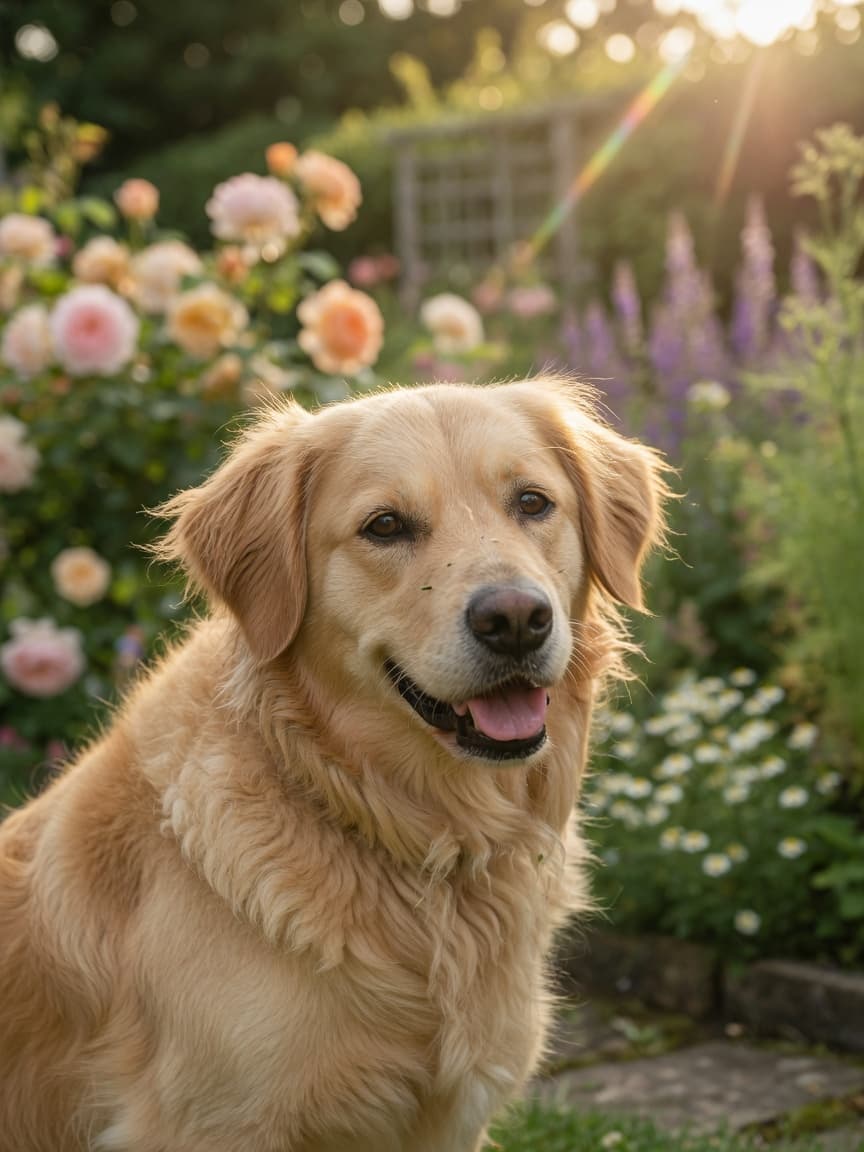
The Samoyed is one of the most enchanting dog breeds you'll encounter, with their distinctive white coat and perpetual smile capturing hearts across Europe and beyond. But before these fluffy companions became beloved family pets, they served a vital purpose in the harsh Arctic regions of northern Russia and Siberia. Understanding the Samoyed's original breeding purpose gives us invaluable insight into their temperament, exercise needs, and what makes them thrive in modern households.
The Arctic Origins of the Samoyed
Samoyeds emerged from the Samoyede people, indigenous herders of the Siberian Arctic who developed this breed over centuries of careful selection. These remarkable dogs weren't created in isolation—they evolved alongside human communities that relied upon them for survival in one of the world's most unforgiving climates. The breed's name itself is derived from "Samoyede," the Russian spelling of these nomadic peoples.
The harsh environmental conditions of the Arctic Circle shaped every physical and behavioural characteristic of the Samoyed. These dogs needed to withstand temperatures plummeting to -60°C whilst remaining active, alert, and effective at their designated tasks.
Primary Breeding Purposes
Samoyeds were selectively bred for several interconnected purposes:
- Reindeer Herding: The primary role involved herding and protecting large reindeer herds across vast, frozen expanses. Their natural instinct to move livestock combined with intelligence made them ideal for this demanding work.
- Sledge Dogs: As sled dogs, Samoyeds hauled heavy loads across treacherous Arctic terrain. Their strength, endurance, and teamwork abilities made them invaluable for transportation and trade routes.
- Guard Dogs: They protected camps and livestock from predators and intruders, requiring alertness and protective instincts.
- Warmth Providers: Remarkably, Samoyeds often slept alongside family members, providing essential body heat during brutal winters. This close human contact fostered the breed's exceptional affection towards people.
Physical Traits Designed for Arctic Work
The Samoyed's distinctive appearance directly reflects their breeding purpose. Their thick, double coat provided superior insulation whilst remaining water-resistant. The white colour helped them blend into snowy landscapes and reflected harsh Arctic sunlight. Their medium-to-large frame (45-60 cm in height) balanced power with agility, enabling both strength for sledging and nimbleness for herding.
The breed's broad paws function as natural snowshoes, distributing weight effectively across frozen ground. Their deep chest houses powerful lungs necessary for sustained effort in oxygen-thin Arctic air.
Temperament: A Legacy of Human Partnership
Because Samoyeds worked alongside humans in close quarters, the breed developed an unusually strong social temperament. Unlike many working dogs bred for independent tasks, Samoyeds retain an intrinsic desire to be near people—often earning the nickname "smiling Sammies" for their seemingly perpetually happy expression.
This breeding history explains why modern Samoyeds require significant human interaction and can suffer from separation anxiety if left alone excessively. They're pack animals by nature, viewing families as their essential social group.
From Working Dogs to Beloved Companions
The transition from Arctic working dogs to European and British family pets began in the late 19th century when explorers and traders brought Samoyeds westward. Their striking appearance and affectionate nature quickly endeared them to wealthy households. However, the breed retained many working dog characteristics—they still possess substantial exercise requirements and herding instincts.
What This Means for Modern Samoyed Owners
Understanding the Samoyed's breeding heritage helps contemporary owners meet their needs effectively. These dogs require:
- Minimum 1-2 hours daily vigorous exercise
- Mental stimulation through training and interactive play
- Consistent human companionship and social engagement
- Regular grooming to maintain their magnificent coat
- Cool environments, as their Arctic heritage makes heat sensitivity an issue
Key Takeaways
Samoyeds were meticulously bred over centuries for Arctic survival, herding reindeer, sledging, and guarding. Their temperament, physiology, and instincts remain shaped by this heritage. Today's Samoyed owners inherit a dog with substantial exercise needs, strong human-bonding requirements, and remarkable intelligence. By recognising and respecting these bred-in characteristics, you'll provide your Samoyed with an environment where they can genuinely thrive, transforming them from Arctic workers into the devoted family members they were always designed to be.
```