ForPetsHealthcare
Dogs

Intestinal Worms in Dogs: Types, Signs, and Prevention

By Julia WrenfieldUpdated August 4, 20261 min read
Evidence-based · Sources checked
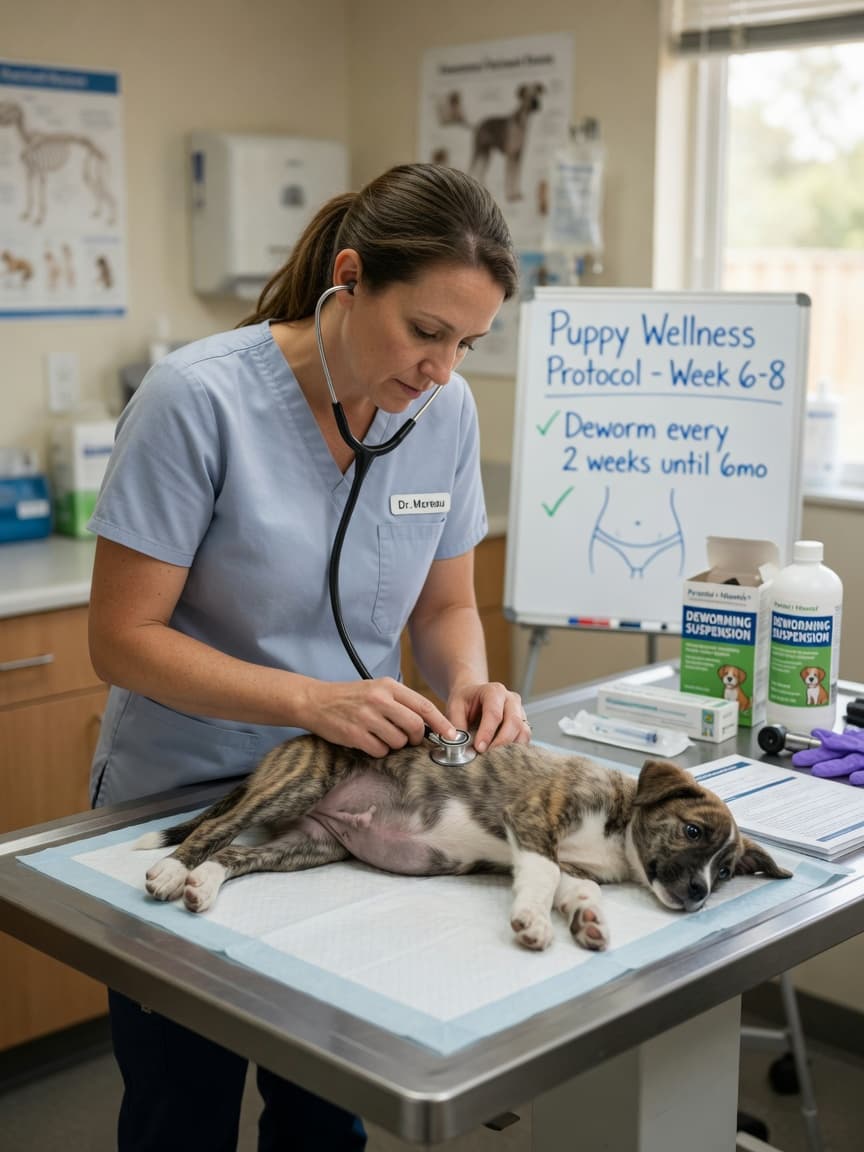
{"en": "Dog receiving veterinary examination for intestinal worm detection and treatment", "es": "Perro recibiendo examen veterinario para detecci\u00f3n y tratamiento de par\u00e1sitos intestinales", "fr": "Chien en examen v\u00e9t\u00e9rinaire pour d\u00e9pistage et traitement des vers intestinaux", "de": "Hund wird tier\u00e4rztlich untersucht zur Erkennung und Behandlung von Darmw\u00fcrmern", "nl": "Hond ondergoing diergeneeskundig onderzoek voor opsporing en behandeling van darmpparasieten", "pt": "C\u00e3o recebendo exame veterin\u00e1rio para detec\u00e7\u00e3o e tratamento de parasitas intestinais", "it": "Cane sottoposto a visita veterinaria per rilevamento e trattamento dei parassiti intestinali"}

Worms are common in dogs and some pose a risk to human health. Regular treatment is essential.

Types of Worms

  • Roundworm (Toxocara canis): most common in puppies. Zoonotic.
  • Tapeworm: transmitted via flea ingestion. Segments visible around anus.
  • Lungworm (Angiostrongylus vasorum): increasingly common, potentially fatal, spread by slugs.

Signs

  • Pot-bellied appearance in puppies
  • Weight loss despite eating well
  • Scooting (tapeworm irritation)
  • Coughing (lungworm)

Treatment Schedule

  • Puppies: every 2 weeks until 12 weeks, monthly to 6 months
  • Adults: minimum every 3 months
  • Lungworm: monthly with Advocate or Nexgard Spectra in risk areas
#worms in dogs prevention#dog health#dog nutrition#forpetshealthcare

Sources & further reading

This article is based on peer-reviewed veterinary research and reputable animal-health sources. Explore the underlying science in our Research Library.

Related articles

The 19 Best Animal Shelters in the Netherlands (2026)

the Netherlands's animal shelters, rescue associations and refuges save thousands of dogs, cats and other animals every year, almost always on tiny budgets and volunteer power. To build the most objective ranking possible, we analysed public Google reviews across more than 56 registered animal-prote…

Read more →

The 25 Best Animal Shelters in Italy (2026)

Italy's animal shelters, rescue associations and refuges save thousands of dogs, cats and other animals every year, almost always on tiny budgets and volunteer power. To build the most objective ranking possible, we analysed public Google reviews across more than 121 registered animal-protection org…

Read more →

The 48 Best Animal Shelters in Germany (2026)

Germany's animal shelters, rescue associations and refuges save thousands of dogs, cats and other animals every year, almost always on tiny budgets and volunteer power. To build the most objective ranking possible, we analysed public Google reviews across more than 152 registered animal-protection o…

Read more →

The 32 Best Animal Shelters in France (2026)

France's animal shelters, rescue associations and refuges save thousands of dogs, cats and other animals every year, almost always on tiny budgets and volunteer power. To build the most objective ranking possible, we analysed public Google reviews across more than 89 registered animal-protection org…

Read more →

The 8 Best Animal Shelters in Portugal (2026)

Portugal's animal shelters, rescue associations and municipal centros de recolha save thousands of dogs, cats and other animals every year, almost always on tiny budgets and volunteer power. To build the most objective ranking possible, we analysed public Google reviews across more than 86 registere…

Read more →

Sphynx Cat Skin care and hygiene: Causes, Signs & Care

Sphynx cats have little to no coat, which means the skin itself takes on jobs that fur normally does — insulation, oil dispersal, and barrier protection — leaving it prone to greasiness, blocked pores, fungal infections, and sunburn. The single most important thing to know is that a Sphynx's skin ne…

Read more →
Disclaimer:This article is for informational purposes only and does not constitute veterinary advice. Always consult a qualified veterinarian for your pet's health concerns.

Free newsletter

Pet health tips, straight to your inbox

Weekly science-backed advice for dog & cat owners. No spam, unsubscribe anytime.