
As a pet owner, you want your dog to enjoy vibrant health and happiness. One of the most telling indicators of your dog's wellbeing is their body condition, yet many owners struggle to recognise when their furry companion is underweight. Unlike obesity, which receives considerable attention in veterinary medicine, being underweight is equally concerning and can signal underlying health issues, nutritional deficiencies, or inadequate feeding. In this guide, I'll help you understand the signs of an underweight dog and what steps you should take if you're worried about your pet's weight.
Understanding Ideal Dog Body Condition
Before identifying whether your dog is underweight, it's helpful to understand what a healthy weight actually looks like. Veterinarians use a Body Condition Score (BCS) system, typically ranging from 1 to 9, where 5 is considered ideal.
- Ideal weight (BCS 4-5): You should be able to feel your dog's ribs easily but not see them prominently. They should have a visible waist when viewed from above and a tucked abdomen when viewed from the side.
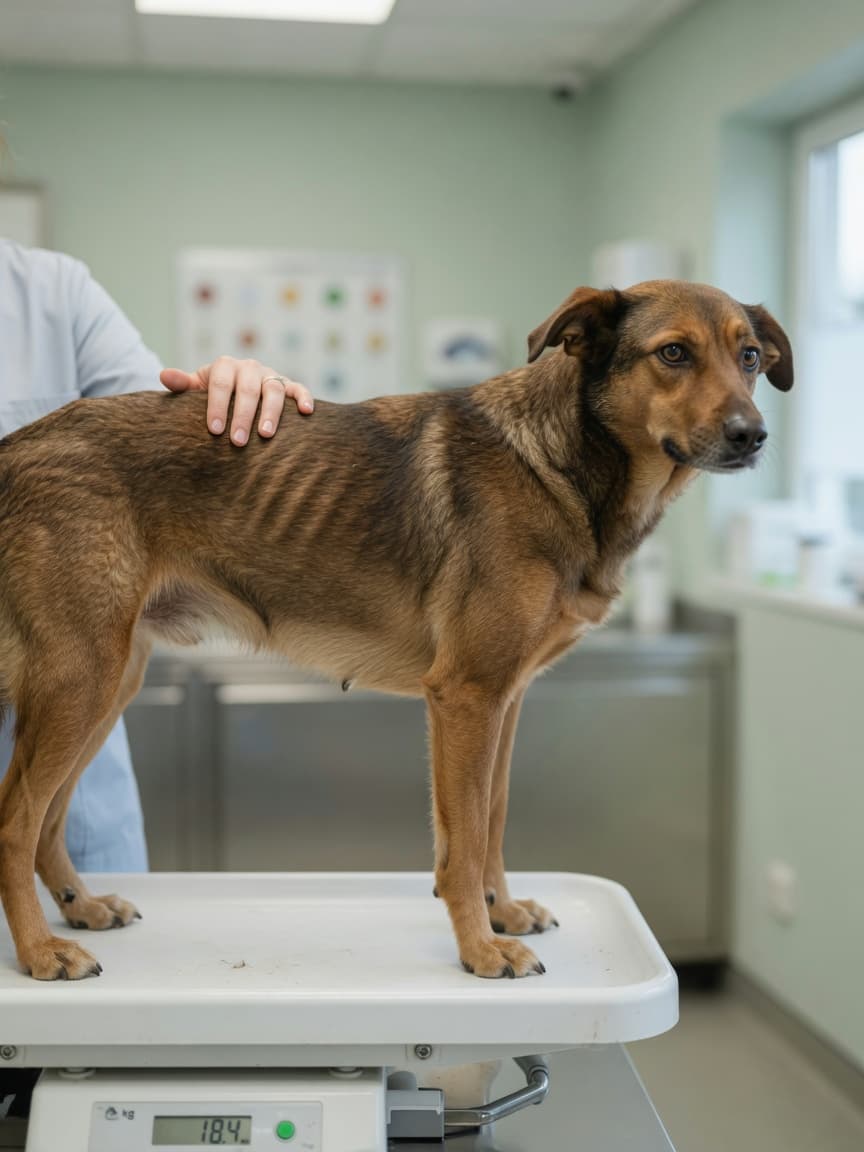
- Underweight (BCS 1-3): Ribs are visibly protruding, the spine and hip bones are prominent, and there's a pronounced waist and abdominal tuck with minimal body fat.
Key Signs Your Dog Is Underweight
Recognising the physical signs of an underweight dog is crucial for early intervention. Here are the primary indicators:
- Visible ribs and spine: If you can see your dog's ribs distinctly without feeling for them, this is a strong sign they're underweight.
- Prominent hip and shoulder bones: Bony protrusions along the shoulders and hips indicate insufficient body fat.
- Sunken appearance: The face may appear gaunt, with hollows visible above the eyes.
- Poor coat quality: A dull, thin, or patchy coat can indicate nutritional deficiencies associated with being underweight.
- Lack of energy: Underweight dogs may appear lethargic, reluctant to exercise, or show reduced enthusiasm for activities.
- Excessive panting: Without adequate body fat for insulation, underweight dogs may regulate temperature less effectively.
Common Causes of Underweight Dogs
Understanding why your dog is underweight is essential for addressing the problem effectively. Several factors can contribute:
- Insufficient food intake: Some owners inadvertently feed their dogs too little, particularly if following outdated guidelines.
- Medical conditions: Parasites, thyroid disorders, dental disease, digestive disorders, and cancer can all cause weight loss.
- Stress and anxiety: Environmental changes, separation anxiety, or chronic stress can suppress appetite.
- Age-related changes: Senior dogs sometimes require more calories, not fewer.
- High activity levels: Working dogs or those with exceptional energy requirements need appropriately increased nutrition.
When to Contact Your Veterinarian
If you've noticed signs that your dog is underweight, scheduling a veterinary appointment is your first step. Your vet will:
- Rule out underlying health conditions through physical examination and blood work if necessary
- Assess your dog's current diet and feeding schedule
- Evaluate your dog's activity level and specific nutritional requirements
- Recommend appropriate dietary adjustments or prescription diets if indicated
- Monitor your dog's progress with regular weigh-ins
Supporting Your Underweight Dog
Once medical causes have been excluded, supporting healthy weight gain involves:
- Increasing portion sizes gradually: Follow your vet's recommendations to avoid digestive upset.
- Choosing nutrient-dense food: Ensure your dog's diet contains appropriate levels of protein, fats, and essential nutrients.
- Feeding frequency: Consider dividing daily food into three smaller meals for improved digestion and nutrient absorption.
- Adding healthy toppers: Plain cooked chicken, sweet potato, or a small amount of fish oil can increase calorie intake.
- Reducing stress: Create a calm feeding environment free from disruptions.
Key Takeaways
An underweight dog requires prompt attention and professional guidance. By familiarising yourself with the signs of inadequate body condition, understanding potential causes, and working closely with your veterinarian, you can help your beloved companion achieve and maintain optimal health. Remember, every dog is unique, and what constitutes an ideal weight varies by breed, age, and individual metabolism. Trust your instincts, ask questions, and prioritise your dog's wellbeing through informed, compassionate care.