
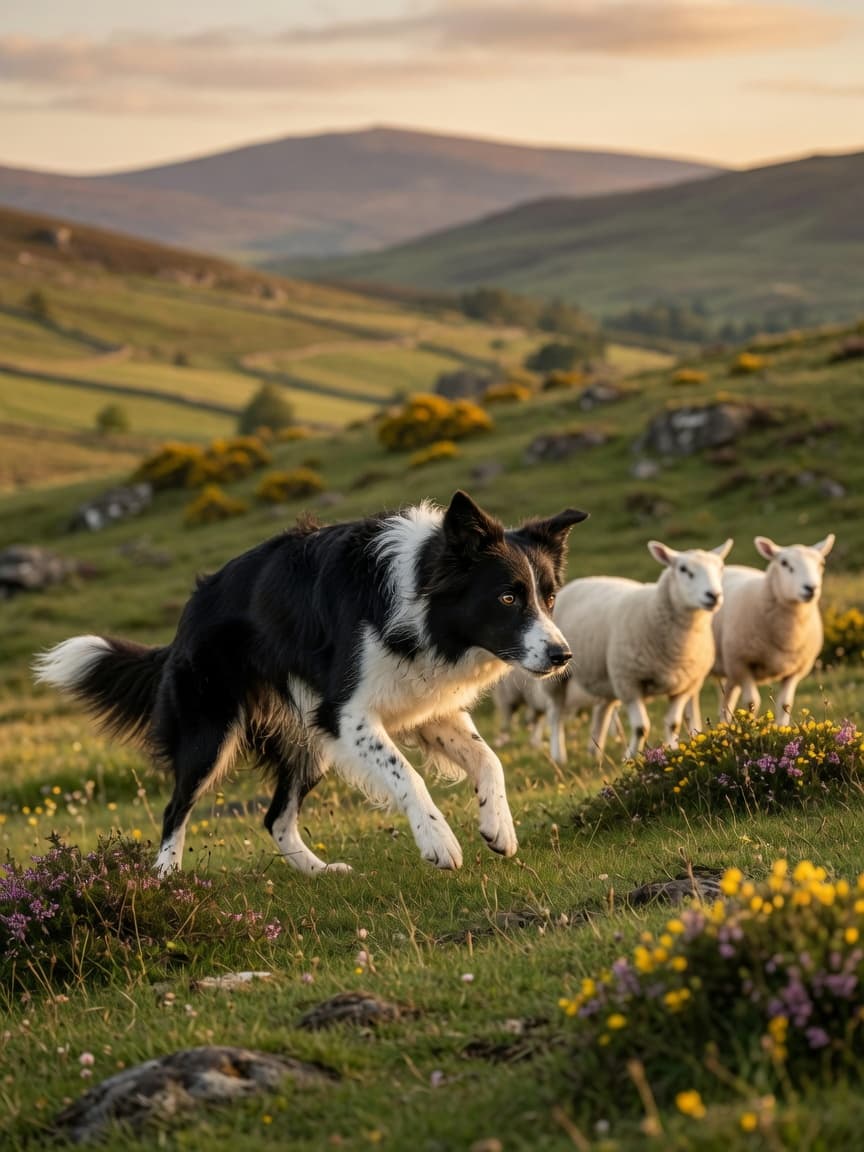
Working dogs represent some of the most remarkable and dedicated animals in our lives. Whether herding sheep across Scottish hillsides, guiding blind individuals through busy city streets, or detecting contraband at airport terminals, working dogs perform tasks that require exceptional intelligence, training, and unwavering commitment. But what exactly defines a working dog, and what makes these animals so special? Understanding the world of working dogs reveals not only their vital contributions to society but also their unique health and welfare requirements.
Defining a Working Dog
A working dog is any canine specifically trained and employed to perform tasks or jobs beyond companionship. Unlike pets bred primarily for appearance or temperament, working dogs are selected and trained to accomplish specific objectives that benefit humans or other animals. Their roles span an impressive range of responsibilities, each requiring particular physical attributes, intelligence, and psychological traits.
Working dogs differ fundamentally from household pets in their purpose, training intensity, and often their living conditions. They're not simply clever dogs with jobs—they're purpose-bred animals whose genetics, training, and daily routines are optimised for their designated roles.
Types of Working Dogs
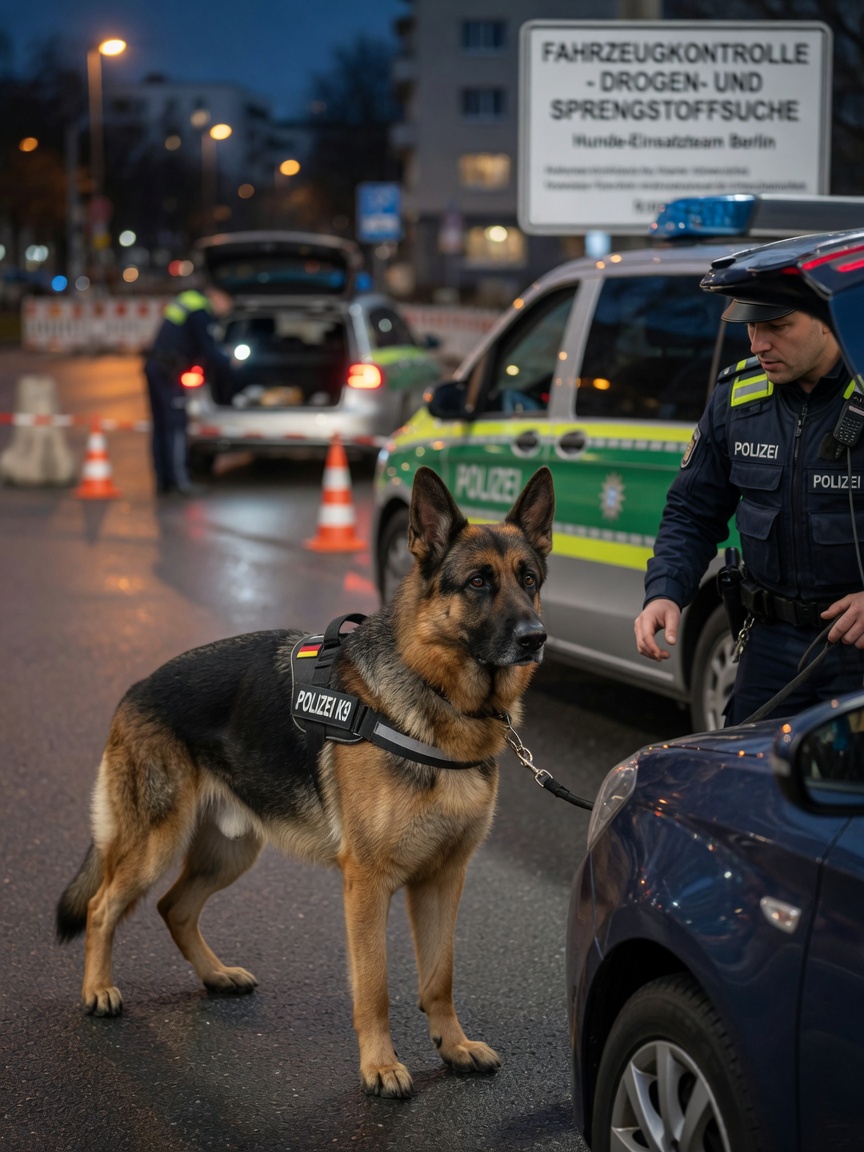
Working dogs fulfil remarkably diverse roles across modern society:
- Herding Dogs: Border Collies, Australian Shepherds, and German Shepherds manage livestock with precision and instinctive intelligence
- Service Dogs: Guide dogs assist blind and partially sighted individuals, whilst medical alert dogs detect seizures or diabetic episodes
- Detection Dogs: Police and military dogs identify drugs, explosives, and missing persons with extraordinary olfactory sensitivity
- Protection and Security Dogs: Guard dogs protect property and personnel, requiring extensive training in controlled aggression
- Search and Rescue Dogs: These remarkable animals locate missing people in wilderness areas, avalanches, and disaster zones
- Therapy Dogs: Whilst less "working" in the traditional sense, therapy dogs provide measurable psychological benefits in hospitals, care homes, and schools
Breed Characteristics and Selection
Certain breeds have been refined over generations for specific working purposes. Border Collies excel in herding due to their intense focus and athletic ability. Labradors and Golden Retrievers become exceptional guide dogs because of their intelligence, trainability, and calm temperament. German Shepherds dominate police work because they combine athleticism, intelligence, and protective instincts.
However, individual dogs vary considerably. Not every Border Collie becomes an elite herding dog, and some unexpected crosses prove exceptionally capable. Working dog organisations invest significant time in assessing puppies and young dogs to identify those most likely to succeed in their specific roles.
Health Considerations for Working Dogs
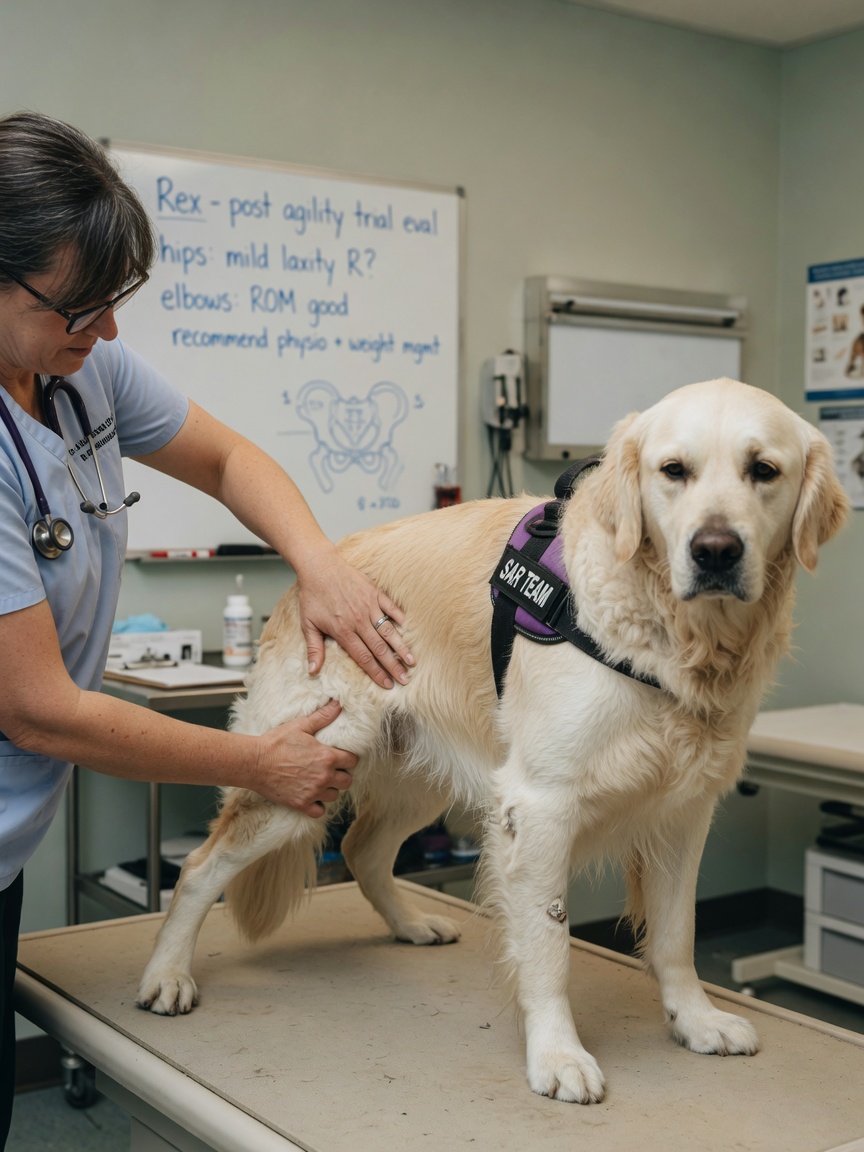
Working dogs face unique health challenges requiring specialised care:
- Physical Conditioning: Regular exercise and appropriate conditioning prevent injury and maintain peak performance
- Joint Health: High-impact activities increase risks of hip dysplasia and arthritis; regular monitoring through veterinary assessments is essential
- Nutrition: Working dogs require higher-quality diets with appropriate caloric intake to fuel demanding activity levels
- Preventative Care: Regular health screening, dental checks, and parasite prevention are crucial
- Mental Health: Purpose-bred dogs need mental stimulation and structured work; lack of appropriate activity can cause behavioural problems
- Injury Management: Quick access to veterinary care when injuries occur prevents long-term complications
Training and Dedication
Becoming a working dog requires extensive training, often beginning in puppyhood and continuing throughout the dog's career. Guide dog training typically lasts 18-24 months, whilst police dogs undergo similarly intensive programmes. This investment reflects the critical nature of their roles and the necessity for absolute reliability.
Handlers develop profound bonds with their working partners, often viewing them as colleagues rather than pets. The relationship combines respect, trust, and genuine affection—the dog learns to respond to subtle commands whilst the handler learns to interpret the dog's signals.
Key Takeaways
Working dogs represent extraordinary examples of canine capability and human-animal partnership. These specially trained animals perform invaluable services across society, from protecting our safety to improving quality of life for vulnerable individuals. Understanding what defines a working dog helps us appreciate both their remarkable abilities and their specialised welfare needs. Whether you're considering supporting working dog organisations or simply wish to understand these remarkable animals better, recognising their unique demands and contributions enriches our respect for our canine companions.
```