
Autumn's Hidden Threats Beneath the Leaves
Autumn walks are some of the most enjoyable of the year — golden light, crisp air, and carpets of fallen leaves. But beneath that seasonal beauty lies a range of hazards that peak specifically during autumn months. Conkers, acorns, wild mushrooms, and the first appearance of antifreeze in driveways create a landscape that demands awareness from every pet owner heading outdoors.
Conkers and Acorns: Tempting but Toxic
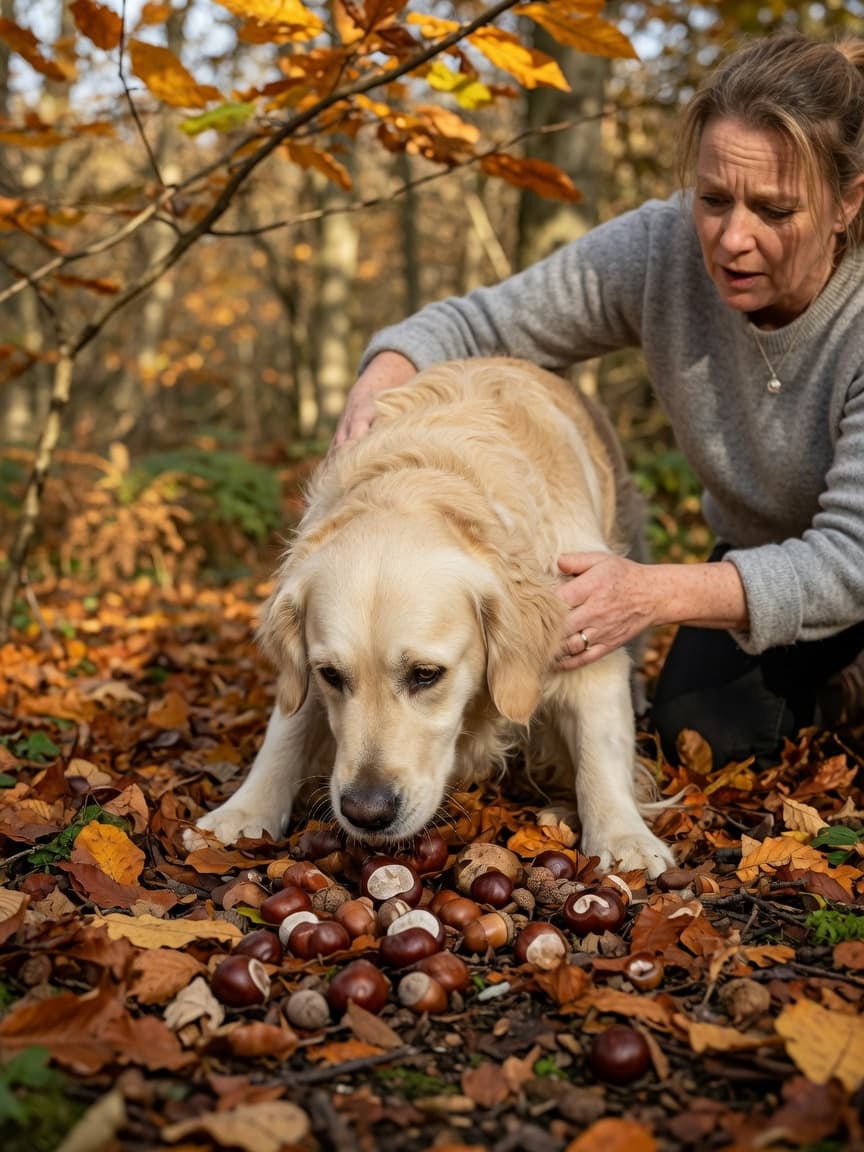
For dogs, fallen conkers and acorns are hard to resist. They roll, they bounce, and they smell interesting — but both can cause significant harm if chewed or swallowed.
Conkers
Horse chestnuts contain aesculin, a compound toxic to dogs and cats. Ingestion typically causes vomiting, diarrhoea, excessive salivation, and abdominal pain. Beyond the toxicity risk, conkers can also cause intestinal blockages, particularly in smaller dogs that swallow them whole. Symptoms may take several hours to appear, which can delay owners seeking treatment.
Acorns
Acorns contain tannins that can cause gastrointestinal irritation, kidney damage, and in large quantities, more serious systemic effects. The risk is compounded by sheer availability — oak trees drop acorns prolifically, and a dog with a roaming habit can consume large quantities during a single walk. Watch for vomiting, lethargy, loss of appetite, and abdominal tenderness after walks in woodland.
Wild Mushrooms: A Significant and Underreported Risk
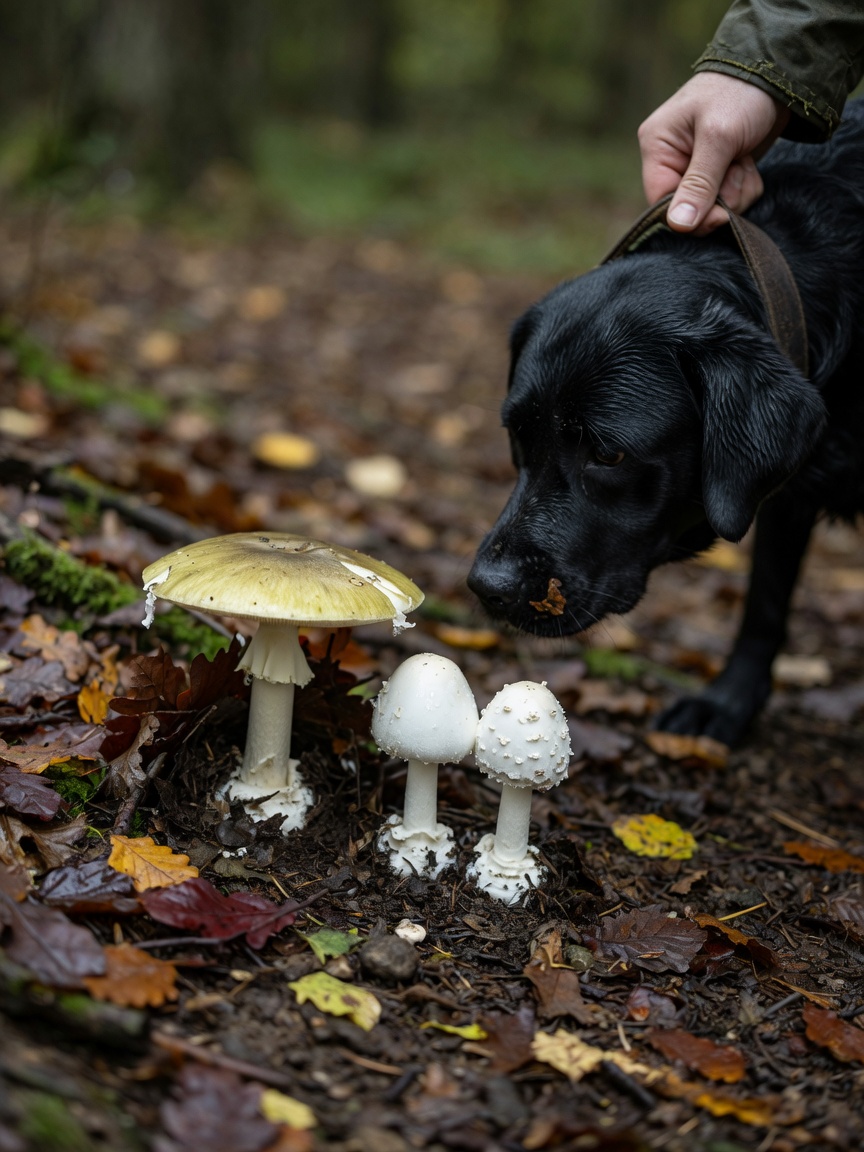
Autumn is peak season for wild fungi, and whilst the vast majority of mushrooms found in the UK are harmless, a small number are severely toxic or fatal — and distinguishing them in the field is extremely difficult, even for experts. Pets do not discriminate.
The death cap mushroom, Amanita phalloides, is responsible for the majority of fatal mushroom poisonings in both humans and animals worldwide. It contains amatoxins that destroy liver cells, and symptoms can be delayed by up to 24 hours — often leading owners to believe their pet is recovering before a sudden and severe deterioration occurs.
Other species of concern in UK woodlands include the destroying angel, the panther cap, and various Inocybe and Clitocybe species. There is no simple rule to identify safe versus dangerous mushrooms by appearance. If you see your dog or cat eating any wild mushroom, collect a sample if safely possible and contact your vet immediately, even if your pet appears well.
Antifreeze: Small Amounts, Catastrophic Consequences
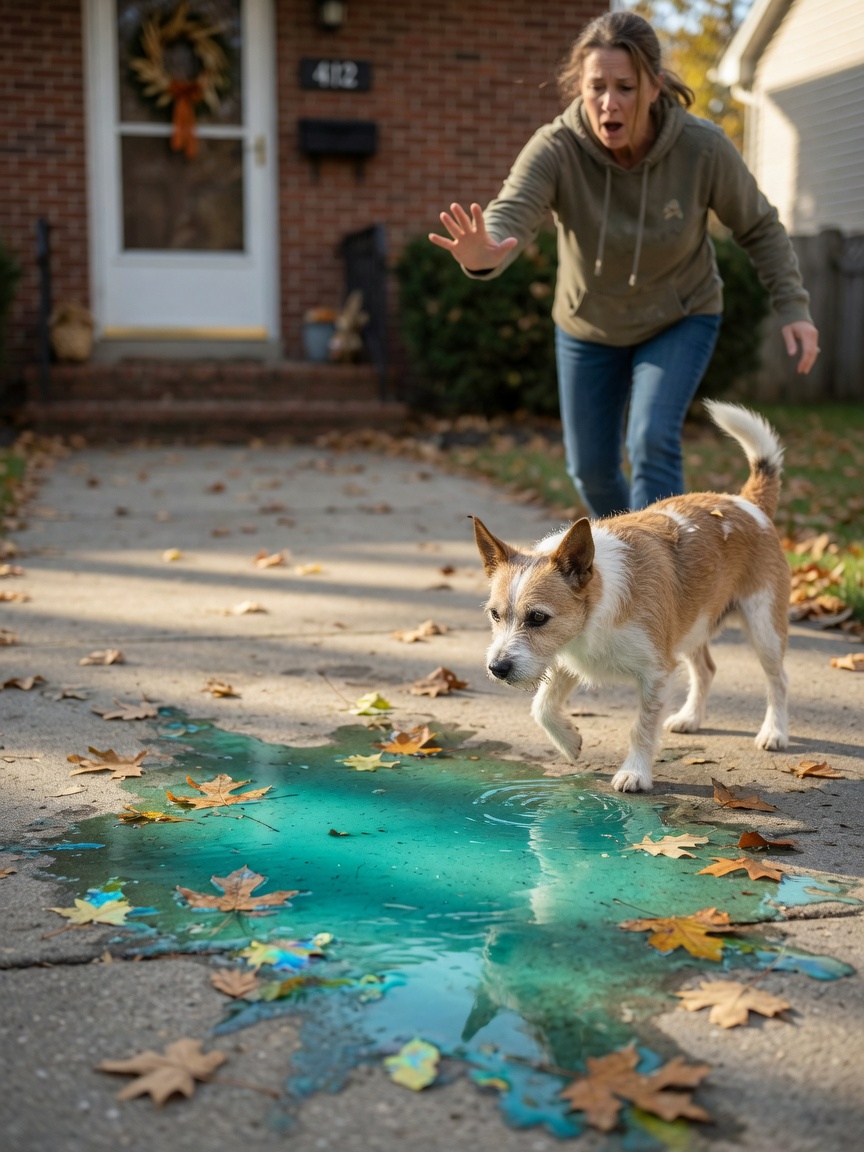
As temperatures drop in autumn, cars are prepared for winter with antifreeze — and this is one of the most dangerous household substances a pet can encounter. Ethylene glycol, the active ingredient in most antifreeze products, has a sweet taste that actively attracts cats and dogs.
Just 1.5 millilitres per kilogram of body weight can be fatal for cats; dogs require a higher dose but remain highly susceptible. Ethylene glycol causes acute kidney failure, and treatment must begin within hours of ingestion to have a realistic chance of success. Early signs include apparent intoxication — stumbling, disorientation — followed by seeming improvement, then rapid decline as kidney failure sets in.
Antifreeze drips from parked cars and is used in outdoor water features, ponds, and screen wash. Store all such products securely, check driveways for leaks, and consider using pet-safe antifreeze alternatives where possible.
Slug and Snail Activity, and Autumn Lungworm Risk
Cool, wet autumn conditions bring slugs and snails out in large numbers. As noted in the context of spring hazards, these creatures carry the larvae of Angiostrongylus vasorum, commonly known as lungworm. Dogs that sniff, lick, or eat slugs and snails are at risk. Lungworm can be fatal if untreated and is increasingly prevalent across the UK. Ensure your dog is on a preventative treatment that covers lungworm — not all standard wormers do — and speak to your vet about what is appropriate for your area and your pet's lifestyle.
Seasonal Foraging Hazards and Windfalls
Autumn's abundance of fallen fruit presents additional risks. Fermenting apples, pears, and plums can produce alcohol through natural processes, and dogs that consume them in quantity may become unsteady, disoriented, or unwell. Apple seeds contain cyanogenic compounds that release hydrogen cyanide when metabolised, though significant quantities would need to be ingested to cause acute toxicity. Nevertheless, discouraging pets from foraging freely under fruit trees is good practice.
Autumn Safety Summary
- Keep dogs on a lead or under close supervision in areas with heavy conker or acorn fall
- Avoid letting pets investigate or consume any wild mushrooms — treat all as potentially toxic
- Check driveways and neighbouring surfaces for antifreeze drips and store all products securely
- Review your pet's parasite prevention to ensure it covers lungworm as well as standard parasites
- Discourage foraging under fruit trees, especially if fruit has been on the ground for some time
- Know the signs of poisoning: vomiting, lethargy, disorientation, abdominal pain, pale gums
Autumn poisoning emergencies can develop slowly, with symptoms appearing hours after ingestion. If you have any reason to believe your pet has eaten something potentially harmful, do not wait for symptoms — contact your vet or the Animal Poison Line and describe what was consumed. Acting before symptoms appear is always the safest course.