
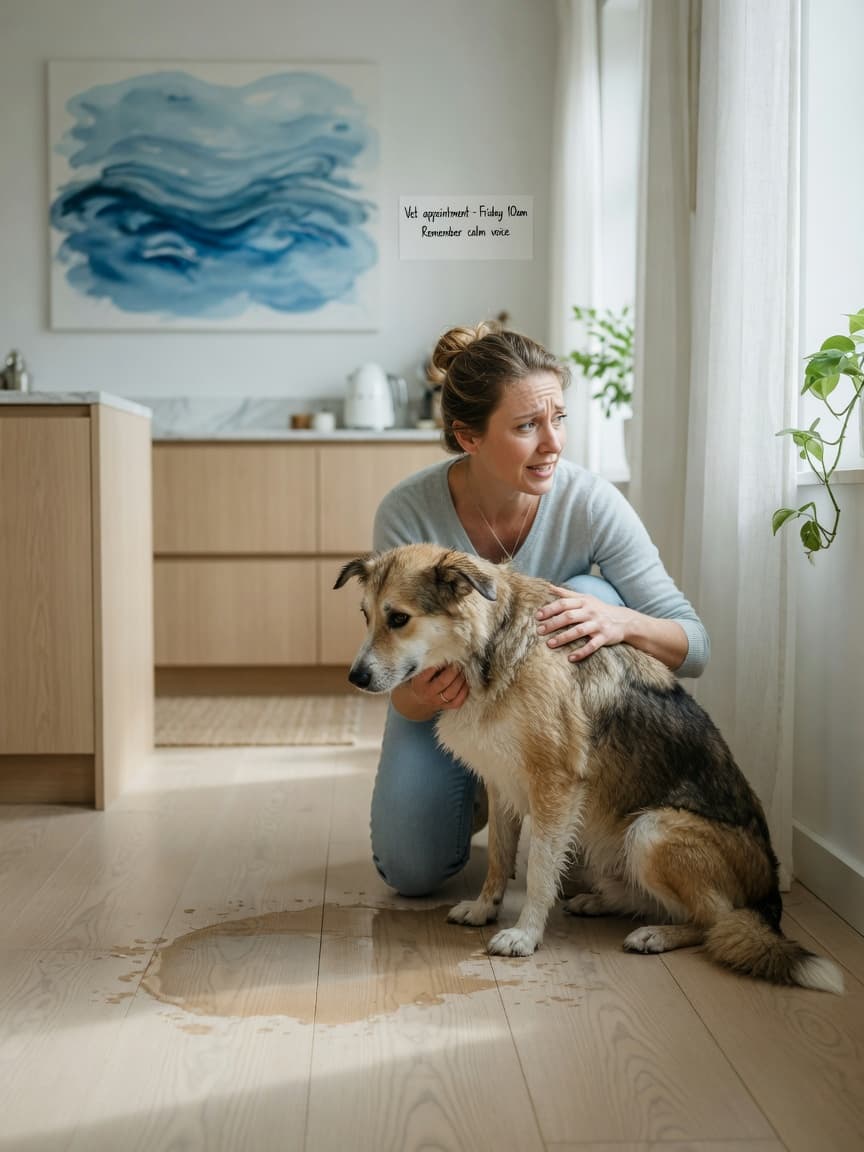
One of the most frustrating challenges for dog owners is discovering puddles in unexpected places around the home. If your previously house-trained dog has suddenly started having accidents indoors, you're not alone—and the good news is that this behaviour almost always has an underlying cause. Rather than a sign of misbehaviour or stubbornness, indoor urination typically indicates a health issue, anxiety, or environmental change that your dog needs help navigating. Understanding what's driving this behaviour is the first step towards resolving it.
Medical Causes: The Most Common Culprit
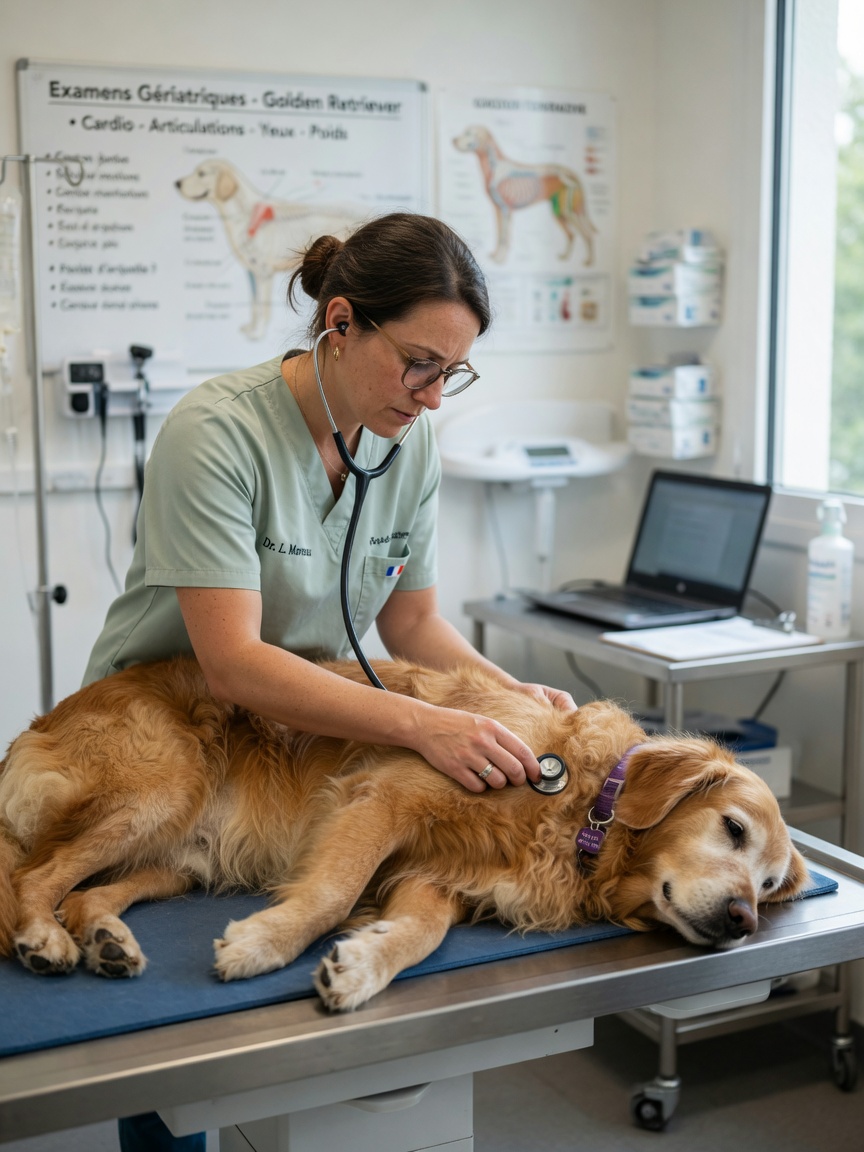
Veterinary experts agree that medical issues account for the majority of sudden house-soiling cases in adult dogs. Before addressing behavioural concerns, a thorough health evaluation is essential.
- Urinary Tract Infections (UTIs): Bacterial infections create urgency and frequency, making dogs unable to hold their urine for normal periods. UTIs are particularly common in female dogs and older animals.
- Incontinence: Age-related incontinence affects senior dogs, especially during sleep. Hormonal incontinence is common in spayed females and neutered males.
- Diabetes and kidney disease: These conditions increase thirst and urination frequency. If your dog is drinking significantly more water, medical evaluation is urgent.
- Gastroenteritis and digestive issues: Digestive upset can cause loss of bowel control, which dogs may confuse with bladder control.
- Neurological problems: Spinal issues or nerve damage can affect bladder control, particularly in older dogs or certain breeds prone to back problems.
Always visit your veterinary surgeon first. A simple urine test can reveal infections or abnormalities, and blood work can identify systemic conditions like diabetes or kidney disease.
Age-Related Factors
Senior dogs—typically those over seven years old—commonly experience incontinence. Their muscles weaken, hormonal changes occur, and they may have reduced bladder capacity. This isn't laziness or regression; it's a natural part of ageing. Your vet can recommend management strategies, including frequent outdoor breaks, waterproof bedding, and sometimes medication to strengthen bladder control.
Behavioural and Environmental Triggers
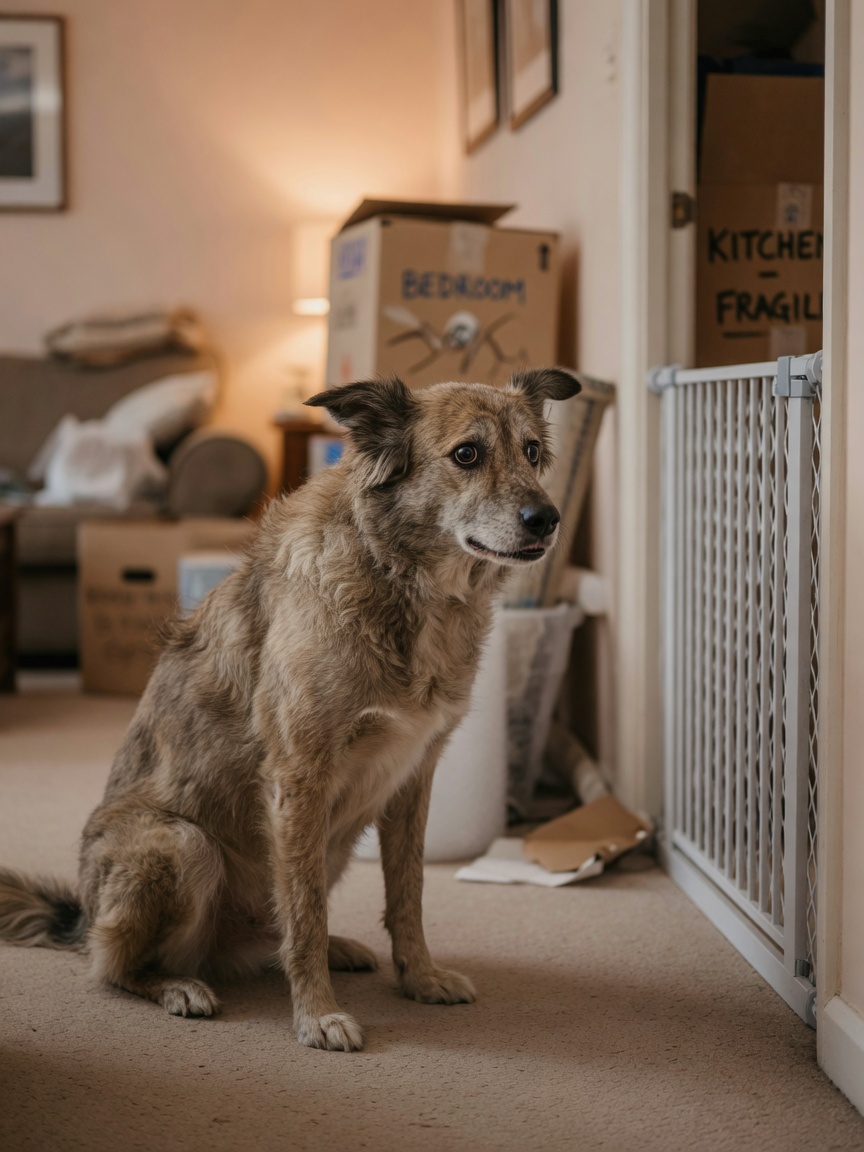
Once medical issues are ruled out, consider environmental factors:
- Anxiety and stress: House moves, new family members, changes in routine, or separation anxiety can trigger indoor urination. Dogs may mark territory when feeling insecure.
- Incomplete house training: Young dogs or rescues may never have been properly house-trained. This requires patient, consistent retraining.
- Territorial marking: Unneutered males and sometimes females mark territory, especially if they detect unfamiliar animals or scents.
- Restricted outdoor access: If your dog's toilet schedule has changed—fewer walks, longer periods indoors—accidents are inevitable.
Creating a Solution Plan
Once you understand the cause, implement these practical steps:
- Schedule a veterinary appointment and bring a fresh urine sample if possible
- Maintain a detailed diary of accidents, noting timing, location, and circumstances
- Increase outdoor toilet breaks—older dogs and those with UTIs may need access every 2-3 hours
- Use enzymatic cleaners on affected areas to eliminate scent markers and reduce re-soiling
- Restrict unsupervised access to carpeted areas temporarily
- Consider crate training or baby gates to manage your dog's space
- Provide positive reinforcement for toileting outdoors
When to Seek Urgent Veterinary Care
Contact your vet urgently if your dog shows additional symptoms including straining to urinate, blood in urine, increased drinking, lethargy, or sudden changes in appetite. These signs suggest conditions requiring immediate investigation.
Key Takeaways
Sudden indoor urination is rarely about bad behaviour—it's your dog's way of communicating that something needs attention. Start with a veterinary check-up to rule out medical causes, then address environmental or behavioural factors with patience and consistency. Most cases resolve successfully once the underlying cause is identified and managed appropriately. Remember, your dog isn't trying to upset you; they're asking for help.