
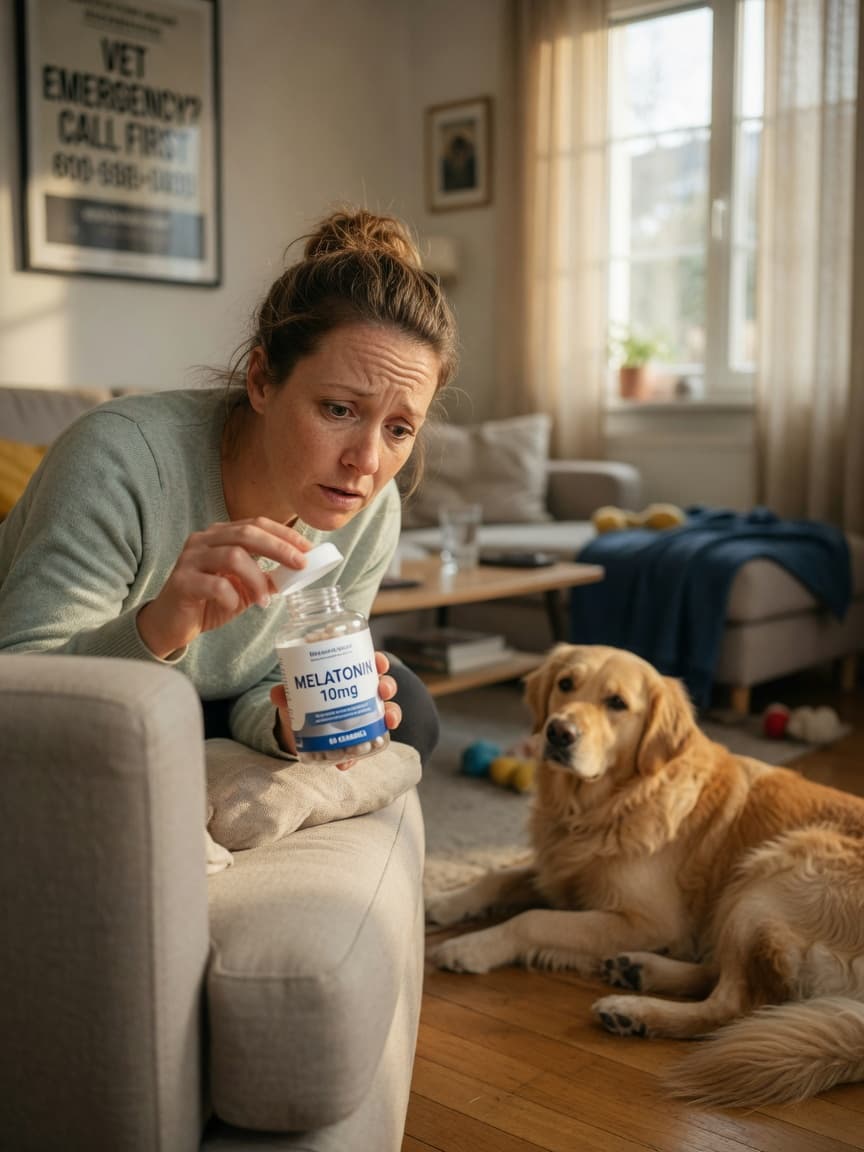
If your dog has accidentally eaten melatonin, you're likely feeling worried. The good news is that melatonin is generally considered relatively safe for dogs compared to many other human medications. However, understanding what happens next—and when to contact your vet—is essential for ensuring your pet's wellbeing. This guide covers everything you need to know about melatonin toxicity in dogs, including symptoms to watch for and when to seek help.
Is Melatonin Toxic to Dogs?
Melatonin is a naturally occurring hormone that regulates sleep-wake cycles. It's commonly used by humans as a sleep aid and is increasingly prescribed by veterinarians for dogs with anxiety or sleep disorders. The key point is that melatonin itself is not inherently toxic to dogs at most doses.
However, the safety depends on several factors:
- The amount consumed
- Your dog's weight and overall health
- Whether the product contained additional ingredients (particularly xylitol, an artificial sweetener that is toxic to dogs)
- Your dog's age and any pre-existing conditions
Dangerous Ingredients in Melatonin Products
The real concern with melatonin poisoning in dogs often isn't the melatonin itself—it's what else is in the supplement. Many human melatonin products contain xylitol, which is extremely toxic to dogs and can cause rapid insulin release, leading to severe hypoglycaemia and liver damage.
Always check the product label for:
- Xylitol or sugar alcohols
- Other sleep-aid ingredients (such as diphenhydramine)
- Herbal additions
Symptoms of Melatonin Overdose in Dogs
If your dog has consumed a large amount of pure melatonin (without xylitol), symptoms may include:
- Drowsiness or excessive lethargy
- Grogginess or difficulty walking
- Stomach upset, nausea, or vomiting
- Constipation or diarrhoea
- Headache-type symptoms (restlessness or whining)
- Rapid heartbeat
If xylitol was ingested, watch for more serious symptoms including weakness, tremors, seizures, vomiting, and increased thirst or urination.
What You Should Do Right Now
If your dog has eaten melatonin, follow these steps:
- Identify the product: Find the bottle or packaging and note the dose, ingredients (especially xylitol), and total amount consumed.
- Calculate the dose: Determine how much melatonin your dog consumed relative to their body weight.
- Contact your vet or poison control: Ring your veterinary surgeon or your local animal poison control centre immediately. Pure melatonin in small doses is often not an emergency, but your vet can provide personalised guidance.
- Monitor your dog: Watch for any symptoms listed above, especially over the next 4-8 hours.
- Avoid inducing vomiting: Only do this if your vet specifically instructs you to.
Treatment and Recovery
In most cases of accidental melatonin ingestion without xylitol, treatment is supportive. Your vet may recommend:
- Monitoring at home with regular check-ins
- Activated charcoal to prevent absorption (if caught early)
- Stomach pumping in severe cases
- Intravenous fluids if your dog is significantly affected
- Blood work to assess liver and kidney function
Dogs typically recover fully from melatonin overdose without lasting effects, especially if the product didn't contain xylitol.
Prevention is Key
Keep all supplements, including melatonin, stored securely away from curious pets. If you're considering giving melatonin to your dog for anxiety or sleep issues, always consult your veterinary surgeon first—they can recommend appropriate, pet-safe dosing.
Key Takeaways
Melatonin itself is relatively low-toxicity for dogs, but accidental ingestion still warrants veterinary advice. The real danger lies in additional ingredients, particularly xylitol. Always identify what your dog ate, contact your vet immediately, and monitor closely for symptoms. With prompt action and professional guidance, most dogs recover completely from accidental melatonin ingestion.