
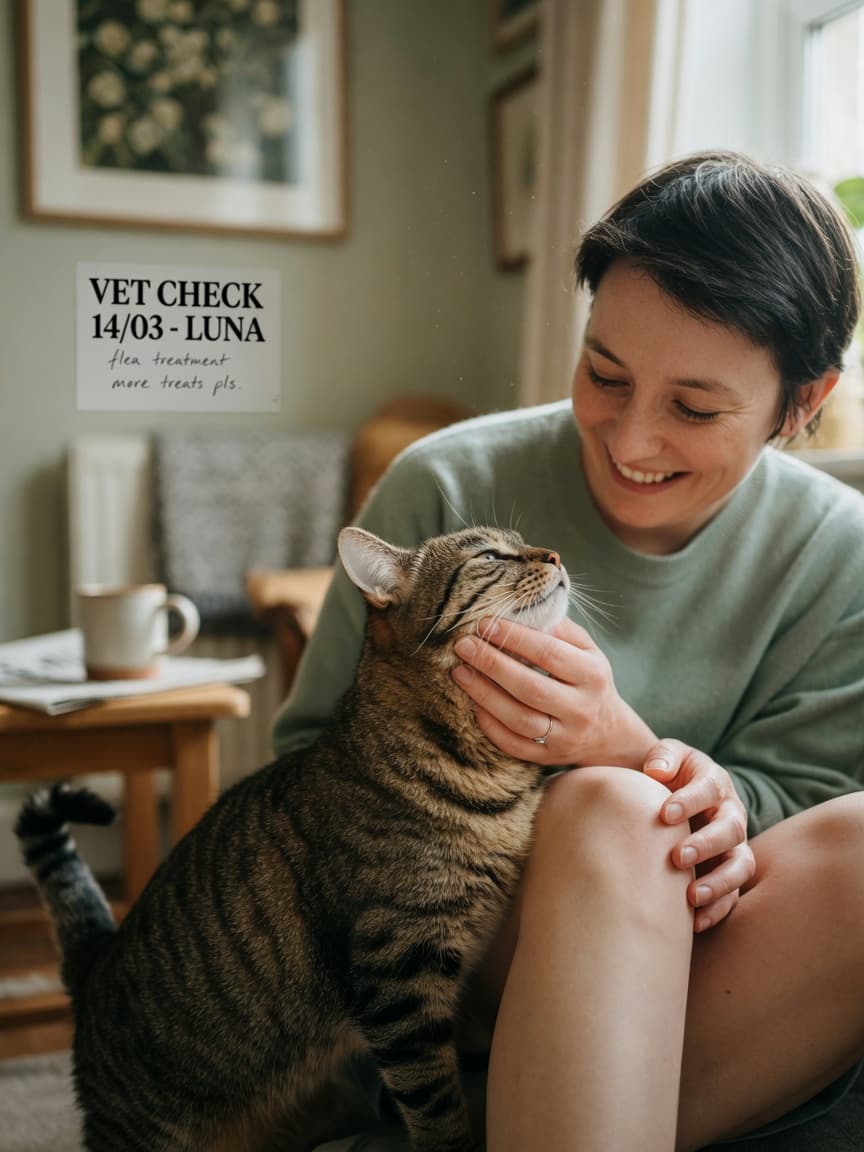
If you've ever wondered whether your cat actually likes you, their greeting behaviour offers fascinating clues into their emotional state and relationship with you. Unlike dogs, cats communicate their affection more subtly, and understanding these signals can deepen your bond and help you respond appropriately to your feline friend's needs.
The Head Bump: Your Cat's Sign of Love
One of the most endearing greetings your cat offers is the head bump, where they rub their head against your leg, hand, or face. This behaviour is far more significant than a casual touch. When your cat does this, they're actually transferring scent glands located on their cheeks and head onto you, marking you as part of their family group.
This behaviour indicates deep trust and affection. Your cat is essentially claiming you as their own and creating a shared scent profile. If your cat head bumps you regularly, you should feel genuinely honoured—it's one of the highest compliments a cat can give.
The Slow Blink: Feline "I Love You"
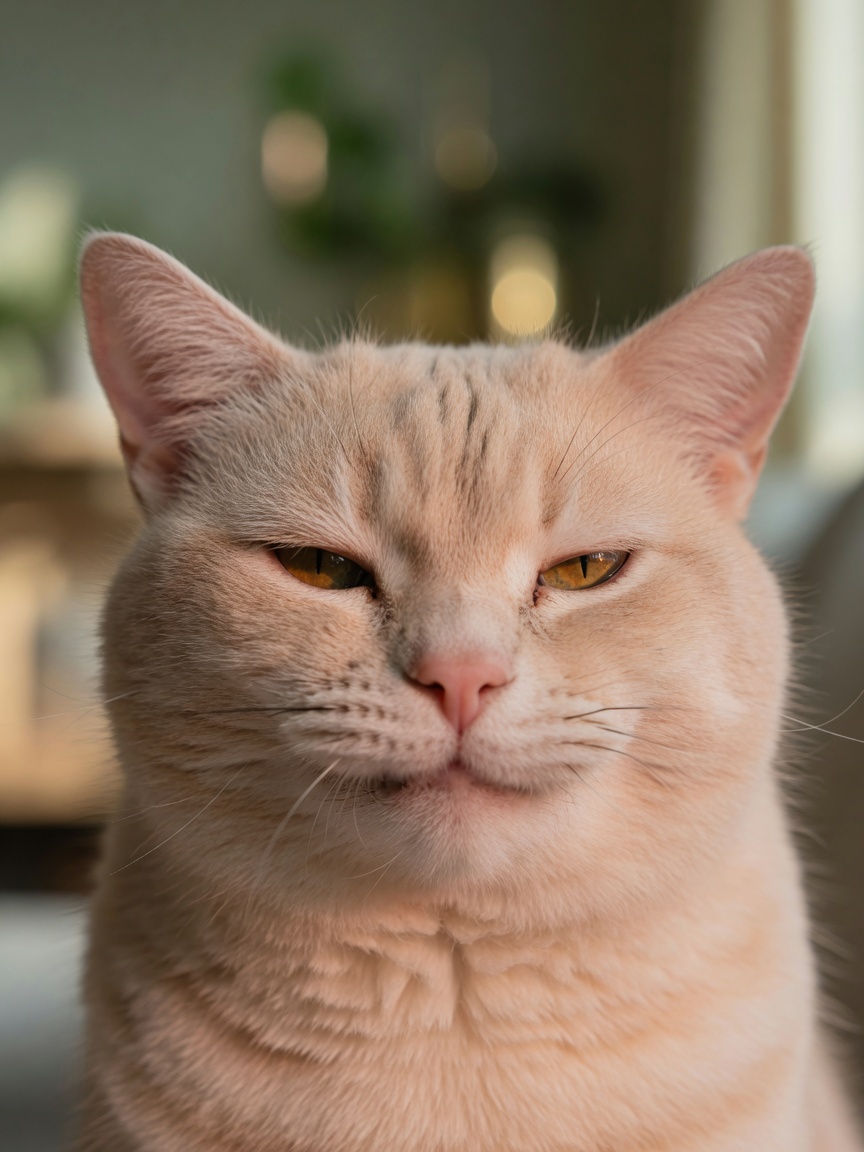
Research has shown that slow blinking is a cat's way of showing love and contentment. When your cat looks at you and slowly closes and opens their eyes, they're communicating trust and calm affection. This behaviour mimics what cats do with other trusted cats in their social group.
You can reciprocate this greeting by slowly blinking back at your cat. Many cat owners report that this simple gesture strengthens their relationship and often results in their cat approaching them more frequently.
The Figure-Eight Weave: Affection and Attention
When your cat winds between your legs in a figure-eight pattern, they're greeting you warmly whilst also scent-marking you with glands along their body. This behaviour serves two purposes: it's a greeting that says "welcome home" and simultaneously a way of claiming you as part of their territory.
Whilst this is a positive sign of affection, be mindful of your cat's safety—ensure you're not about to step on them, as cats sometimes underestimate the risks of this greeting behaviour.
The Meow: Different Tones, Different Messages
Contrary to popular belief, adult cats primarily meow to communicate with humans, not with each other. When your cat greets you with a meow, pay attention to the tone and intensity:
- Short, standard meow: A simple greeting or request for attention
- Multiple meows: Enthusiastic greeting, often meaning "I've missed you"
- High-pitched meow: Excitement or urgent request, possibly for food or play
- Quiet, barely audible meow: A sign of trust and contentment
The Slow Approach and Raised Tail
When your cat approaches you slowly with their tail held high and slightly curved at the tip, they're expressing confidence and positive emotion. This greeting indicates that your cat feels safe and happy in your presence. A tail held straight up shows contentment, whilst a tail with a hook at the end suggests playfulness.
Understanding Less Obvious Greetings
Not all cats are naturally demonstrative. Some cats greet their owners by sitting nearby, simply being in your presence without physical contact. Others might bring you "gifts"—though this can be concerning if they're live prey—or knock objects off your desk to gain your attention. These are still valid greetings that reflect your cat's personality and communication style.
Key Takeaways
Understanding your cat's unique greeting language allows you to appreciate how they express affection and build trust. Remember that each cat has individual preferences: some are tactile and vocal, whilst others prefer quiet companionship. The most important thing is to recognise that your cat's chosen greeting method is their way of connecting with you. By responding to these behaviours with gentle strokes, slow blinks, and calm attention, you reinforce the bond with your feline companion and create a mutually rewarding relationship based on genuine communication and understanding.