
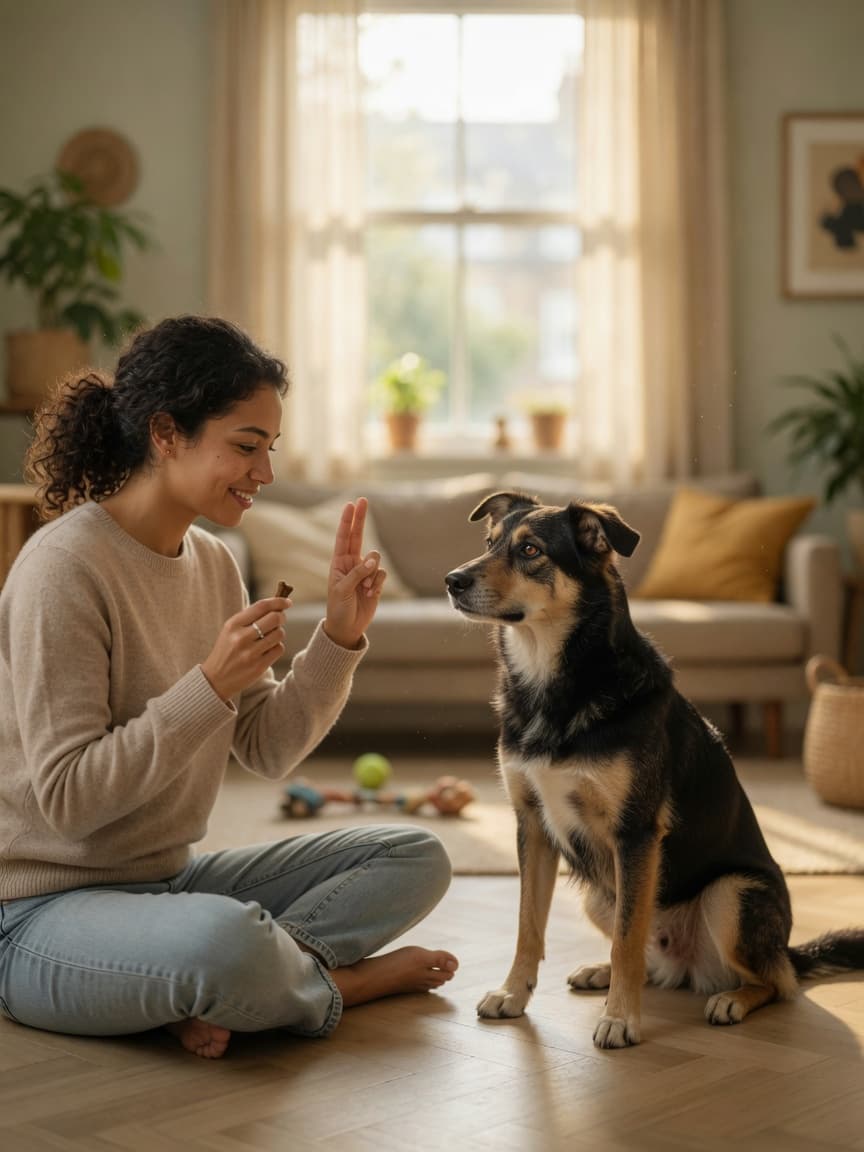
Training your dog is one of the most rewarding investments you can make in your pet's life. Whether you're working with a spirited puppy or an older rescue dog, understanding the fundamental principles of effective training transforms the experience for both you and your canine companion. These five golden rules form the foundation of positive, lasting behavioural change—and they're backed by modern animal science and countless success stories from dog owners across Europe.
1. Consistency is Your Greatest Tool
Dogs thrive on predictability. When every family member responds to the same behaviour in the same way, your dog quickly understands what's expected. If jumping up for attention is acceptable to one person but not another, you're creating confusion rather than clarity.
- Use identical commands and hand signals consistently
- Ensure all household members enforce the same rules
- Practice the same training routines at roughly the same times each day
- Reward desired behaviours immediately and every time they occur during early training
This consistency builds trust and accelerates learning. Your dog begins to predict the outcome of their actions, making good behaviour feel rewarding and natural.
2. Positive Reinforcement Works Better Than Punishment
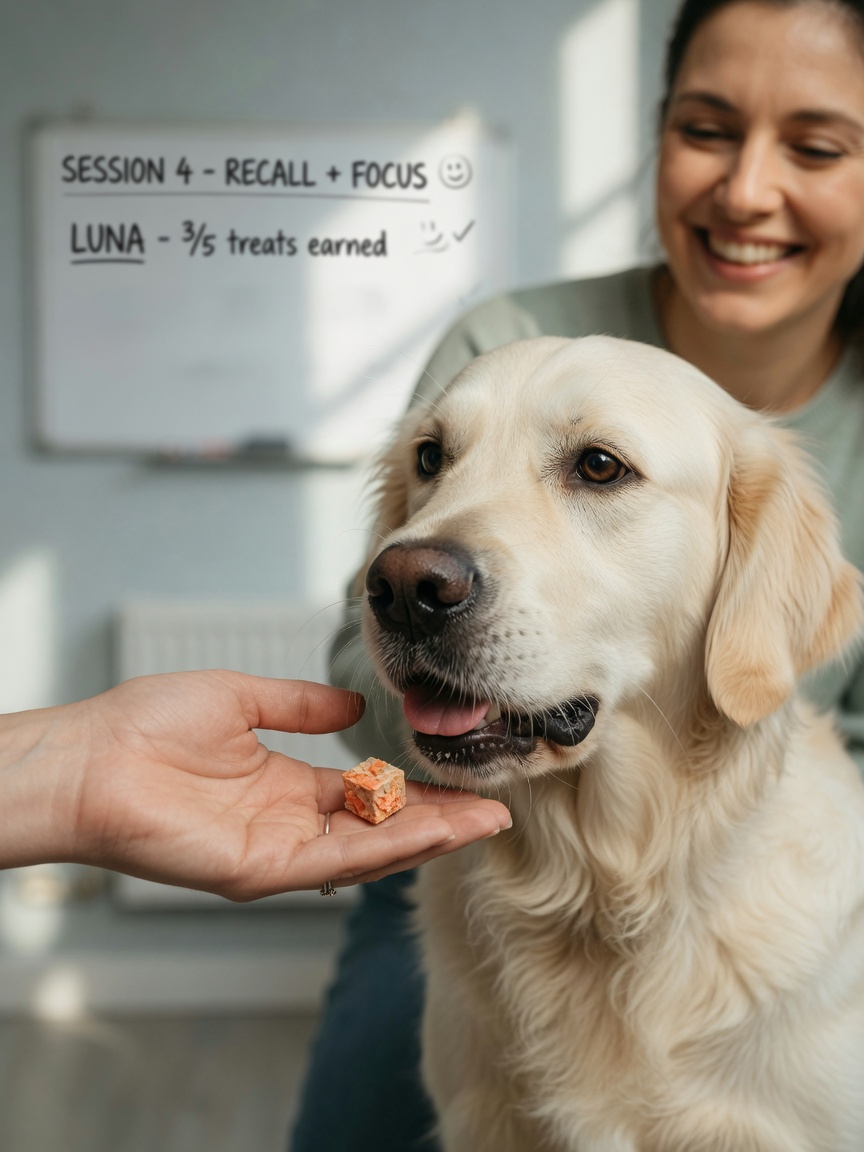
Modern behavioural science overwhelmingly shows that rewarding desired behaviour is more effective than punishing unwanted behaviour. When you reward your dog for sitting calmly, they're far more likely to repeat that behaviour than if you scold them for jumping.
Effective positive reinforcement includes:
- High-value treats your dog genuinely loves
- Enthusiastic verbal praise ("Yes! Good dog!")
- Physical affection—petting, ear scratches, or play
- Access to favourite activities or toys
The key is timing: reward within one or two seconds of the desired behaviour so your dog makes the correct connection. Punishment-based methods often create anxiety and can damage your relationship with your dog.
3. Patience and Short Sessions Beat Rushed Training
Dogs have limited attention spans, particularly puppies. Training sessions of 5–10 minutes, three or four times daily, yield far better results than one exhausting 45-minute session. This approach keeps training fresh, maintains enthusiasm, and prevents frustration for both parties.
Training should feel like play, not work. When you notice your dog losing focus or becoming distracted, stop on a positive note. This leaves them wanting more and builds positive associations with training time.
4. Understand Your Dog's Motivation
Every dog is an individual with unique preferences. What excites one dog might bore another. Discovering your dog's true motivators makes training exponentially more effective.
Common motivators include:
- Food treats (particularly high-value items like cheese or chicken)
- Play and toy interaction
- Praise and attention
- Outdoor adventures and sniff walks
- Social interaction with other dogs or people
Some dogs work enthusiastically for a simple "good dog!" whilst others need tastier incentives. Experiment to discover what drives your individual dog, then use those rewards strategically during training.
5. Manage the Environment to Set Your Dog Up for Success
You cannot train a behaviour you never see. Environmental management means arranging your home and routines so your dog naturally experiences success. This prevents bad habits from forming in the first place.
Practical management strategies include:
- Using baby gates to restrict access to areas where accidents might happen
- Keeping tempting items (shoes, rubbish bins) out of reach
- Taking frequent outdoor toilet breaks to establish routine
- Practising new commands in quiet, familiar environments before real-world chaos
- Using leads and secured spaces until recall is reliable
Key Takeaways
Successful dog training isn't about dominance, harsh corrections, or complex techniques. Instead, it's built on consistency, kindness, patience, understanding your individual dog, and thoughtful environmental planning. When you combine these five golden rules, you create a framework where your dog naturally chooses good behaviour because it's rewarding and makes sense to them. Remember: you're not just training behaviours—you're building a stronger, happier relationship with your beloved companion.
```