
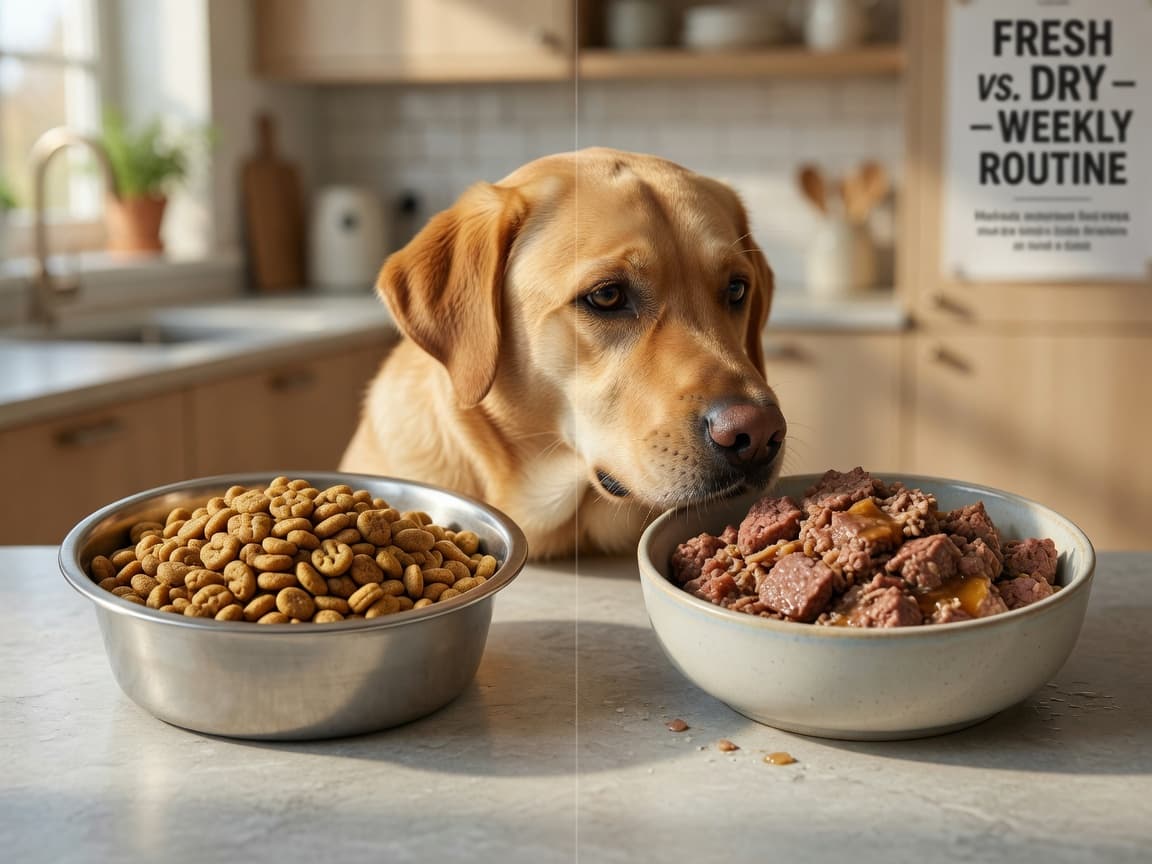
The Wet vs Dry Debate
Walk into any pet shop and you will find entire aisles devoted to the choice between wet and dry dog food. The sheer variety is bewildering, and the marketing promises are rarely helpful. "More natural." "Closer to what dogs evolved to eat." "Better for teeth." These claims deserve scrutiny. The honest answer is that neither wet food nor dry food is universally better — what matters is nutritional quality, your dog's individual needs, and how well the food suits their life stage and health status.
This guide sets out the genuine differences between wet and dry dog food, identifies when each format is more appropriate, and explains what to look for on the label regardless of which you choose.
What Is the Actual Difference?
The most significant physical difference between wet and dry dog food is moisture content. Dry food, commonly called kibble, contains approximately 8 to 10 per cent moisture. Wet food — whether tinned, in pouches, or in trays — contains around 70 to 80 per cent moisture. This has significant knock-on effects for calorie density, palatability, storage, and suitability for different health conditions.
To compare foods fairly, you need to account for moisture. A wet food that looks cheap per pouch may contain far fewer actual calories and nutrients than it appears, because most of the weight is water. When comparing cost or calorie content, always check the kilocalories per 100g figure on the label rather than the price per pack.
When Wet Food Is the Better Choice
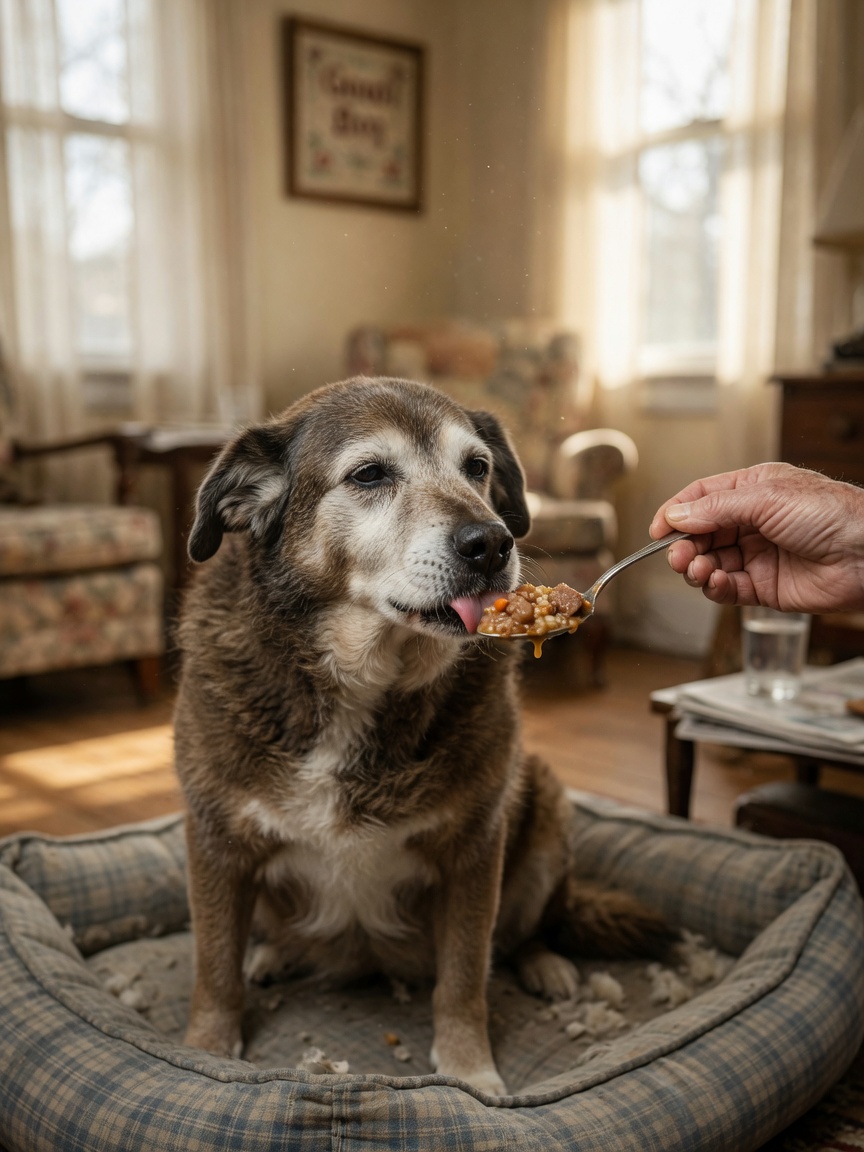
Wet food has genuine advantages in a number of situations:
Kidney Disease and Urinary Health
Dogs with chronic kidney disease benefit significantly from increased water intake, which slows the progression of the condition and reduces the burden on the kidneys. Because dogs rarely drink enough water from a bowl to compensate, feeding wet food is one of the most effective ways to increase daily fluid intake. Similarly, dogs prone to urinary crystals or bladder stones benefit from higher moisture diets to keep urine dilute.
Dental Disease
Dogs with significant dental disease, painful mouths, or missing teeth often struggle to chew kibble comfortably. Wet food requires little to no chewing and is a more comfortable option for dogs whose oral health has deteriorated. This is particularly relevant in senior dogs, where dental disease is extremely common.
Fussy Eaters and Poor Appetite
Wet food is generally more palatable than dry food. The higher moisture content releases more aroma, which is a primary driver of appetite in dogs. For fussy eaters, dogs recovering from illness, or underweight dogs that need encouragement to eat, wet food is often more effective at stimulating appetite.
Senior Dogs
Older dogs frequently experience a reduced sense of smell and taste, which can dampen their enthusiasm for food. The stronger aroma of wet food helps compensate. The softer texture is also easier on ageing teeth and jaws.
When Dry Food May Be Preferable
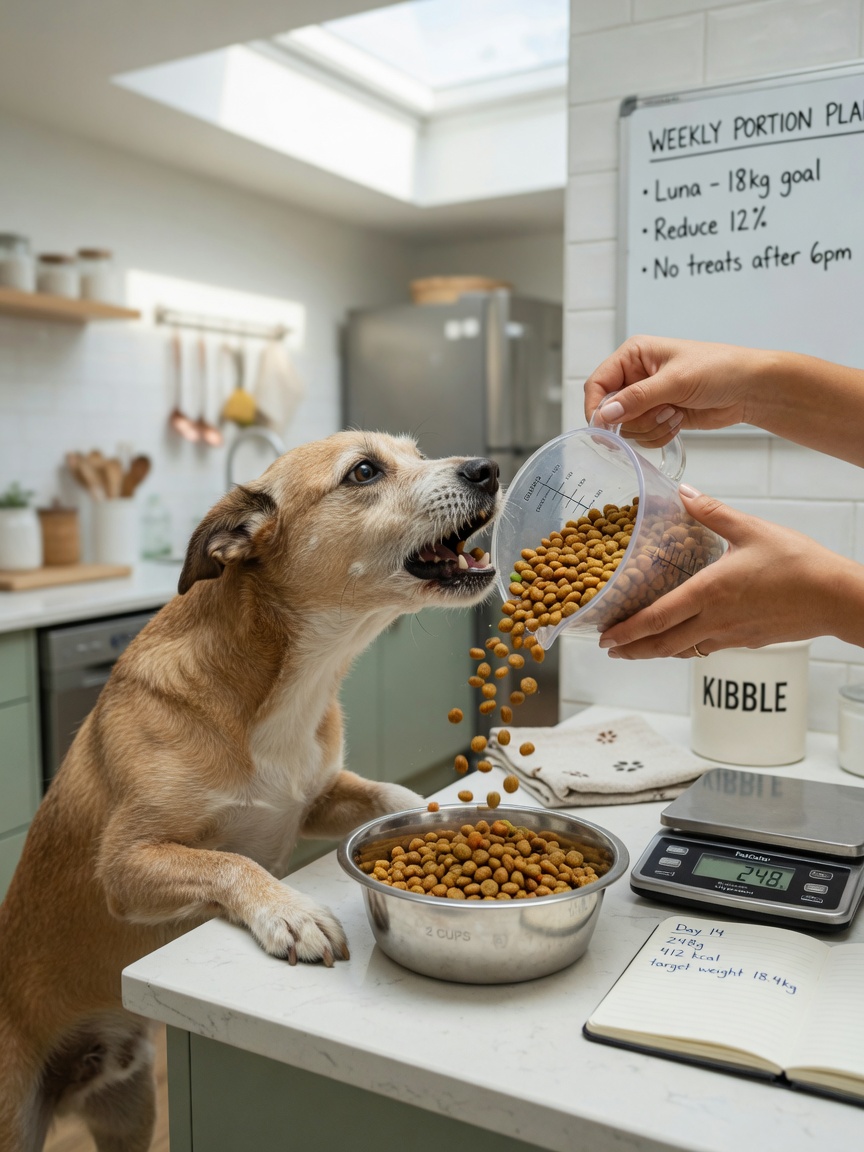
Dry food also has a set of genuine practical and health advantages:
Dental Support
Certain kibble sizes and textures provide a mild mechanical cleaning effect on the teeth as the dog chews. This benefit is frequently overstated in marketing, and kibble is not a substitute for regular tooth brushing or professional dental care, but it does offer some advantage over wet food, which provides no mechanical cleaning at all. Dogs prone to plaque and tartar build-up may benefit from dry food as a component of a broader dental health plan.
Portion Control for Overweight Dogs
Dry food is calorie-dense and easy to measure accurately. For dogs on a calorie-controlled diet for weight management, the precision of measuring kibble by weight is a practical advantage. Wet food pouches and tins vary more in calorie content and can be harder to split accurately.
Convenience and Storage
Dry food can be left in a bowl without spoiling as quickly as wet food, which is useful for dogs that graze rather than eat meals in one sitting. Opened bags of kibble store well in a sealed container for several weeks. Opened tins and pouches must be refrigerated and used within 24 to 48 hours.
Cost
Dry food is generally less expensive per meal than wet food of equivalent quality, because you are paying for nutrients rather than water. For owners feeding a large or multiple-dog household, this can be a significant factor.
Mixed Feeding: The Best of Both
There is no rule that says you must choose one or the other. Many owners feed a combination of wet and dry food, often using a base of dry kibble supplemented with a portion of wet food for palatability and additional moisture. This approach is nutritionally sound, provided you account for the total calorie intake across both foods. Overfeeding by adding wet food on top of a full dry food ration without reducing the kibble portion is a common cause of weight gain.
If you mix feed, calculate the proportion of each food's daily recommended allowance you are providing and combine the two fractions to equal one full daily ration. The feeding guides on the packaging are your starting point, adjusted for your individual dog's weight, activity level, and body condition.
What to Look for on the Label — Both Wet and Dry
Regardless of format, quality indicators on the label are similar:
- The food should state "complete food" — meaning it meets all nutritional requirements when fed alone. A "complementary food" must be combined with other foods to be nutritionally adequate.
- The first ingredient should be a named protein source — chicken, beef, salmon, and so on. Vague terms like "meat and animal derivatives" are less transparent.
- Look for a FEDIAF (EU) or PFMA (UK) nutritional adequacy statement confirming the food meets recognised nutritional standards.
- Avoid foods where the first ingredient is a grain, sugar, or unnamed fat source.
- Check the analytical constituents: crude protein, crude fat, crude fibre, moisture, and crude ash must be declared by law under EU Regulation 767/2009.
The Bottom Line
Wet food is better for hydration, palatability, and ease of eating. Dry food offers convenience, mild dental benefit, and easier portion control. The best format is the one that suits your individual dog's health needs, life stage, and preferences — and that meets nutritional standards consistently. When in doubt, your vet can advise based on your dog's specific health profile.