
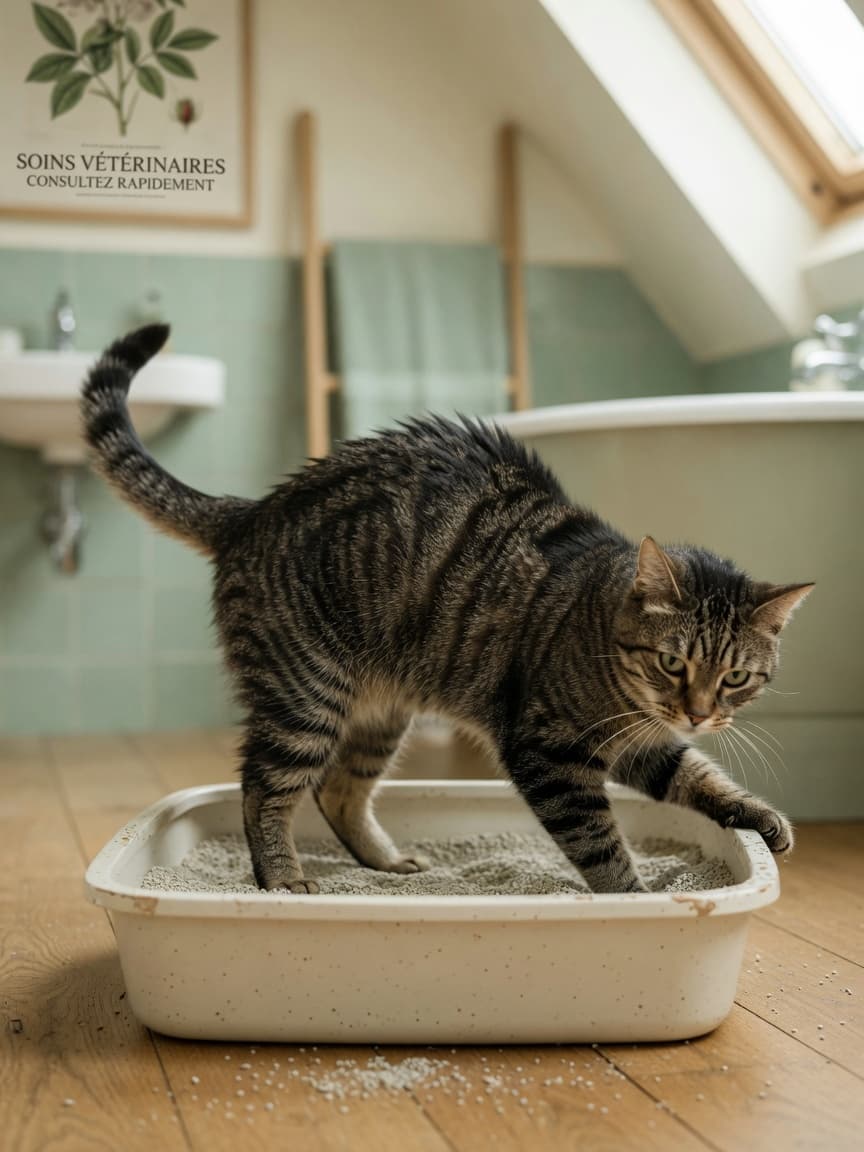
When Your Cat Strains in the Litter Box
Around 1 in 100 cats will develop urinary stones at some point in their lives, and for many owners, the first sign is a cat straining painfully in the litter tray. Urolithiasis — the formation of mineral stones in the urinary tract — is one of the most common reasons cats visit the vet, and dietary management is central to both treatment and prevention. Understanding which type of stone your cat has is not a minor detail; it fundamentally determines what you should feed them.
The Two Main Types of Feline Urinary Stones
While cats can develop several types of uroliths, struvite and calcium oxalate account for roughly 85 to 90 percent of all cases. They are almost opposite problems requiring almost opposite dietary approaches, which is why a proper diagnosis before changing your cat's diet is essential.
Struvite Stones
Struvite is composed of magnesium ammonium phosphate. In cats, struvite stones almost always form in alkaline urine and are frequently associated with urinary tract infections, though sterile struvite can also occur. They are more common in younger cats and females. The good news is that struvite stones can often be dissolved through dietary intervention alone, without surgery. Prescription dissolution diets work by acidifying urine, reducing magnesium and phosphorus intake, and increasing water turnover to flush the urinary tract.
Calcium Oxalate Stones
Calcium oxalate stones are the opposite story. They cannot be dissolved with diet; once present, they typically require surgical removal or urohydropropulsion to clear. They form in acidic to neutral urine and are more common in older, male, and neutered cats. Persian, Himalayan, and Burmese breeds show higher predisposition. Prevention, rather than dissolution, is the dietary goal here — and ironically, feeding a diet designed to dissolve struvite can actually promote oxalate formation. This is why guessing the stone type and changing diets without veterinary guidance can cause real harm.
Dietary Management for Struvite
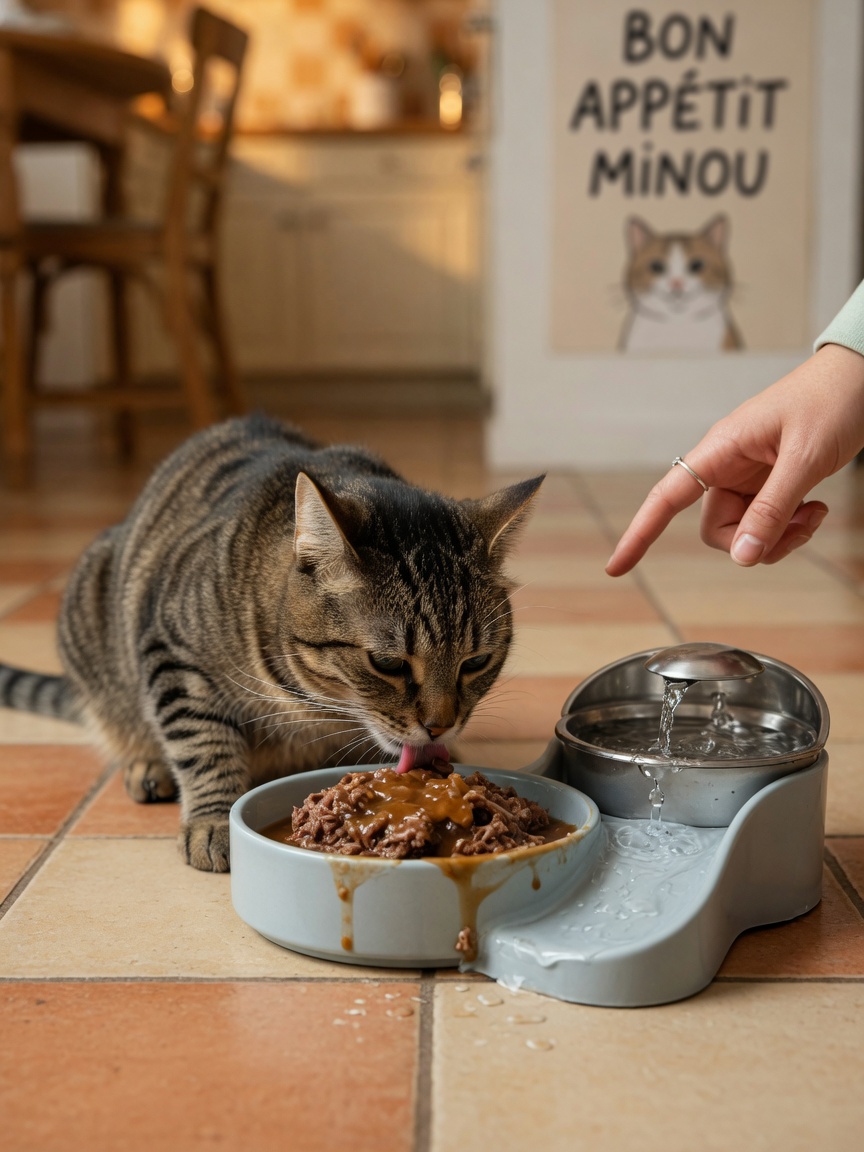
The cornerstone of struvite management is urine acidification and dilution. Prescription struvite dissolution diets are formulated to produce urine with a pH between 6.0 and 6.5, and they restrict magnesium and phosphorus. Increasing water intake is equally important — more water means more dilute urine, which reduces the concentration of minerals available to crystallise.
Wet food plays a significant role here. Cats on wet food consume substantially more water than those on dry food, and many specialists recommend transitioning to wet food as a long-term measure for cats prone to struvite formation. If a cat will only eat dry food, a water fountain can encourage higher intake. Dissolution typically takes four to twelve weeks, confirmed by repeat radiographs or ultrasound.
Dietary Management for Calcium Oxalate
Because calcium oxalate cannot be dissolved, the dietary focus shifts entirely to prevention of recurrence after stones are removed. The key strategies include:
- Increasing water intake through wet food, fountains, or water added to meals
- Avoiding urine that is excessively acidic — target pH 6.5 to 7.0
- Avoiding high-dose vitamin C supplementation, which is metabolised to oxalate
- Moderating dietary calcium and oxalate — though severely restricting calcium can paradoxically increase oxalate absorption from the gut
- Ensuring adequate dietary phosphorus and magnesium within safe limits, as both reduce urinary calcium oxalate saturation
Prescription urinary diets formulated for oxalate prevention are available and differ meaningfully from struvite dissolution diets. Do not substitute one for the other without veterinary direction.
The Role of Hydration in All Urinary Stone Cases
Whatever the stone type, dilute urine is protective. A well-hydrated cat produces urine with a lower concentration of the minerals that crystallise into stones. Cats evolved as desert animals with a low thirst drive relative to their needs, making them chronically mildly dehydrated on dry diets. Wet food — whether tinned, pouched, or raw — provides 70 to 80 percent moisture content compared to around 10 percent in kibble. For cats with a history of urolithiasis, a predominantly wet diet is often a first-line long-term recommendation.
Urine specific gravity is a useful monitoring tool. Veterinary teams often recommend keeping it below 1.030 in stone-prone cats, measured during routine follow-up urinalyses.
Monitoring and Recurrence Prevention
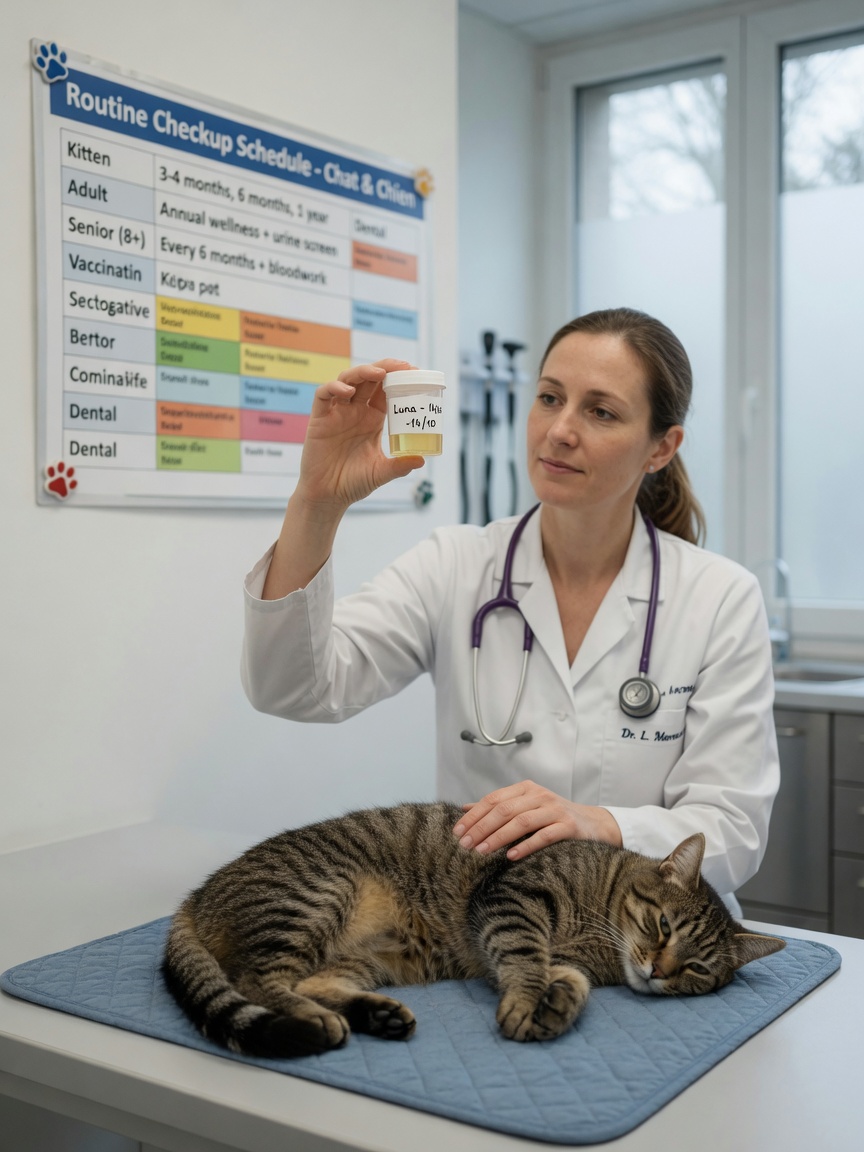
Urinary stones recur. Struvite can reform if urine pH drifts alkaline again or if a urinary tract infection goes undetected. Calcium oxalate recurrence rates within three years are reported at 50 percent or higher in some studies. Long-term management requires regular veterinary monitoring — typically urinalyses every three to six months and periodic imaging to detect stones before they become symptomatic.
Some cats benefit from long-term prescription urinary diets, while others manage well on high-quality commercial wet food with routine monitoring. The decision depends on individual history, stone type, and overall health. Never alter a prescription diet or start over-the-counter urinary supplements without discussing it with your vet first, as some supplements marketed for urinary health can worsen specific stone types.
Key Takeaways
- Always confirm the stone type by urinalysis, imaging, and ideally stone analysis before changing diet
- Struvite stones may be dissolved with prescription acidifying diets; oxalate stones cannot
- Wet food is strongly preferred over dry for any cat with a urinary stone history
- Urine pH targets differ by stone type — getting it wrong increases risk
- Long-term monitoring with your vet is essential, as recurrence is common in both types
- Never guess the stone type or self-prescribe urinary supplements