
The Most Common Dental Disease You Have Probably Never Heard Of
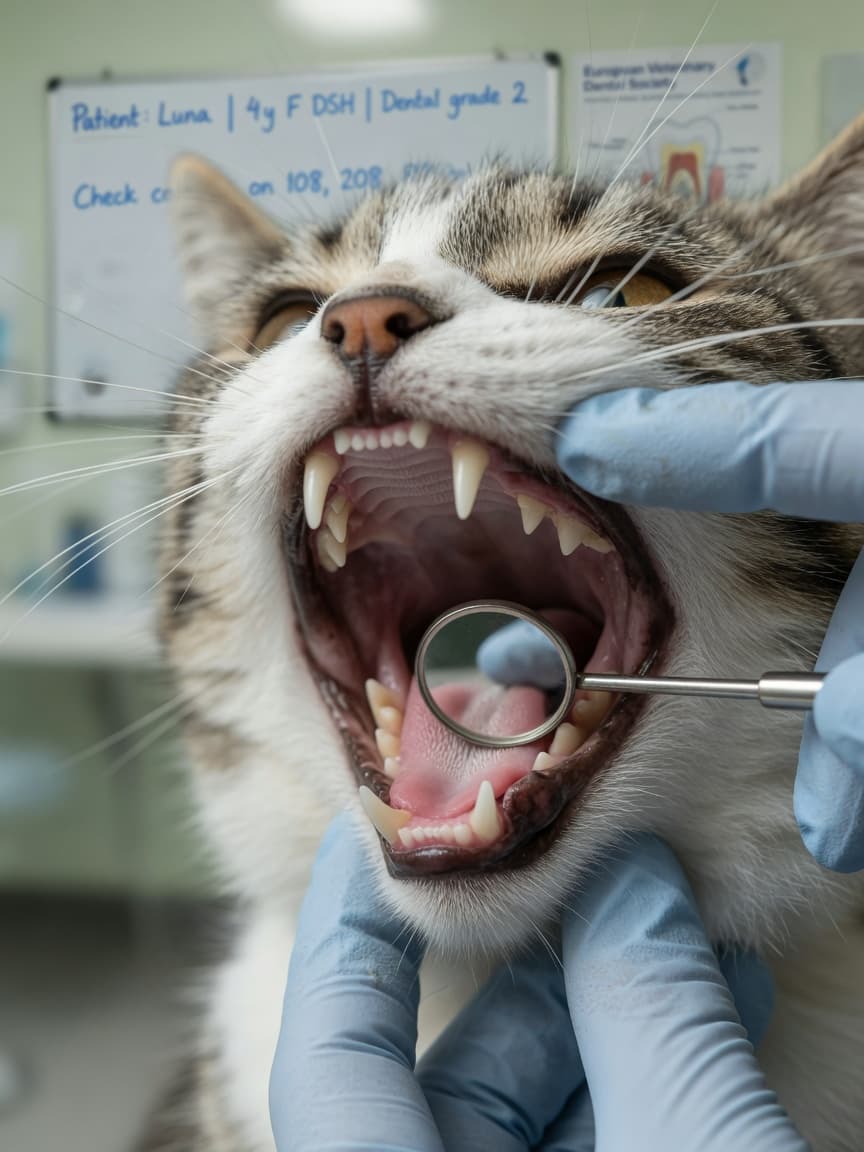
Tooth resorption affects an estimated 20 to 60 percent of domestic cats, making it the most prevalent dental condition in the species. Yet most cat owners have never encountered the term. Also historically called feline odontoclastic resorptive lesions (FORLs) or cervical line lesions, tooth resorption occurs when the tooth structure is progressively destroyed from within or from the root surface outward — often with no external warning until the damage is severe.
What Happens During Tooth Resorption
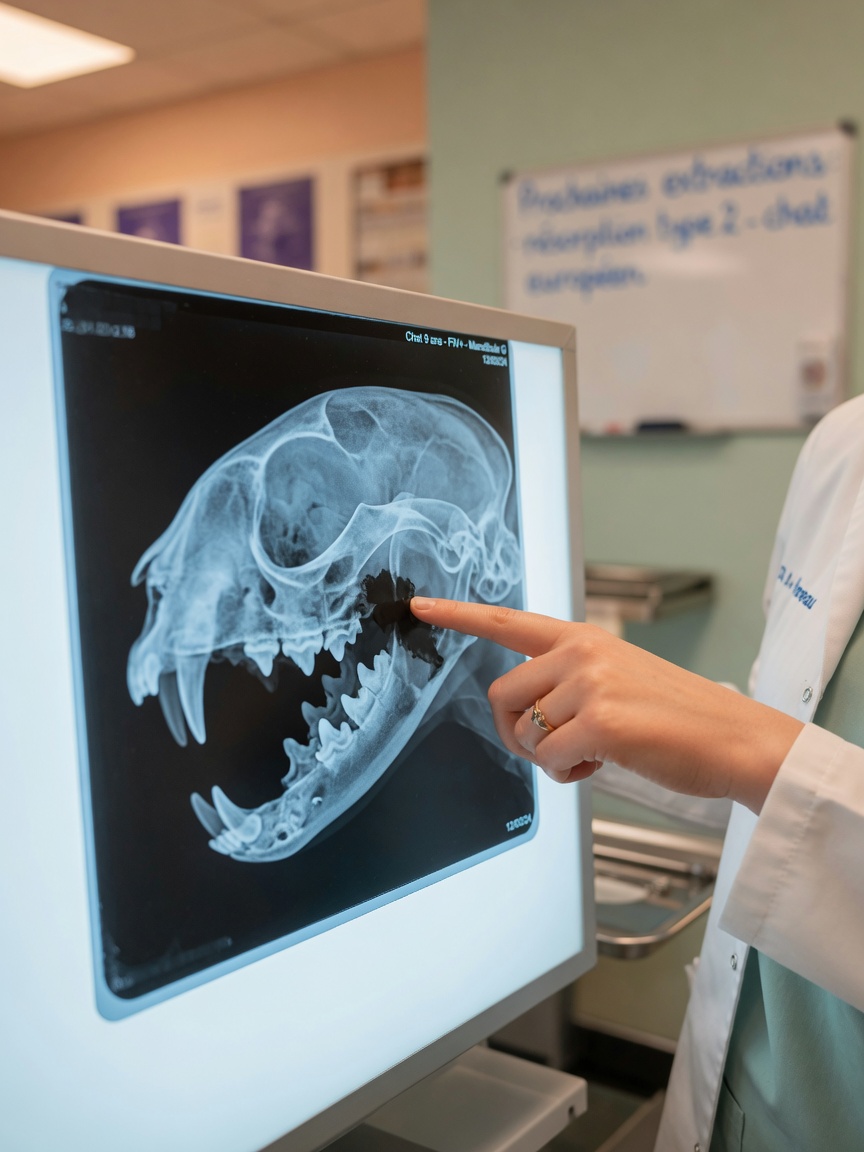
Specialised cells called odontoclasts, which normally remodel bone, begin attacking the mineralised tissue of the tooth itself. The process typically starts at or below the gum line, at the junction between the root and the crown. As resorption progresses, it can hollow out the interior of the tooth, weaken the root, and eventually cause the crown to fracture away — leaving root remnants embedded in the jaw. In some cases, the roots are gradually replaced by bone-like tissue in a process the body initiates as a form of healing, though one that ultimately destroys the tooth.
Two Main Types
- Type 1: Periodontal ligament space is intact on X-ray. Root structure is distinguishable from surrounding bone. Often associated with inflammation.
- Type 2: Root and surrounding bone become indistinguishable on X-ray as the root is replaced by bone-like tissue. Different surgical approach required.
Distinguishing between types matters enormously for treatment — the correct surgical technique differs significantly, and choosing the wrong approach can leave painful root fragments behind.
Why It Happens
The honest answer is that the cause of tooth resorption in cats is not fully understood. Several factors have been investigated, including high dietary vitamin D, inflammation, and viral infection, but no single cause has been confirmed. What is clear is that certain cats appear more predisposed — it is more common in middle-aged to older cats, in purebred cats, and in cats with concurrent periodontal disease. It is not caused by poor dental hygiene alone, which is why even well-cared-for cats develop it.
Recognising the Signs
Many cats show no obvious signs until the condition is advanced. The most common observable clues include jaw chattering or twitching when the mouth is touched or when the cat eats, reluctance to chew on one side, dropping food, hypersalivation, or bleeding from the gums. A pink or red spot visible at the gum line of a tooth — where the gum tissue has grown over a resorptive lesion — is a classic clinical finding. However, some cats with extensive resorption remain apparently asymptomatic, which makes routine veterinary examination essential.
How It Is Diagnosed
Visual examination alone misses the majority of lesions. Dental radiography is non-negotiable for accurate diagnosis. X-rays reveal the extent of root involvement, differentiate between Type 1 and Type 2 lesions, and identify affected teeth that appear grossly normal on visual inspection. Any veterinary dental assessment for cats should include full-mouth radiographs.
Treatment Options
There is no medical treatment that halts or reverses tooth resorption once it has begun. The only effective intervention is surgical. For Type 1 lesions, full extraction — removing both crown and all root structure — is the standard approach. For Type 2 lesions where roots are being replaced by bone, crown amputation (removing the crown while leaving the resorbing roots to complete their integration with the jaw) is an accepted technique, but only when specific radiographic criteria are met confirming that no inflammation is present. This decision must be made by a veterinarian experienced in feline dentistry, based on X-ray findings, not as a shortcut.
Life After Tooth Extraction
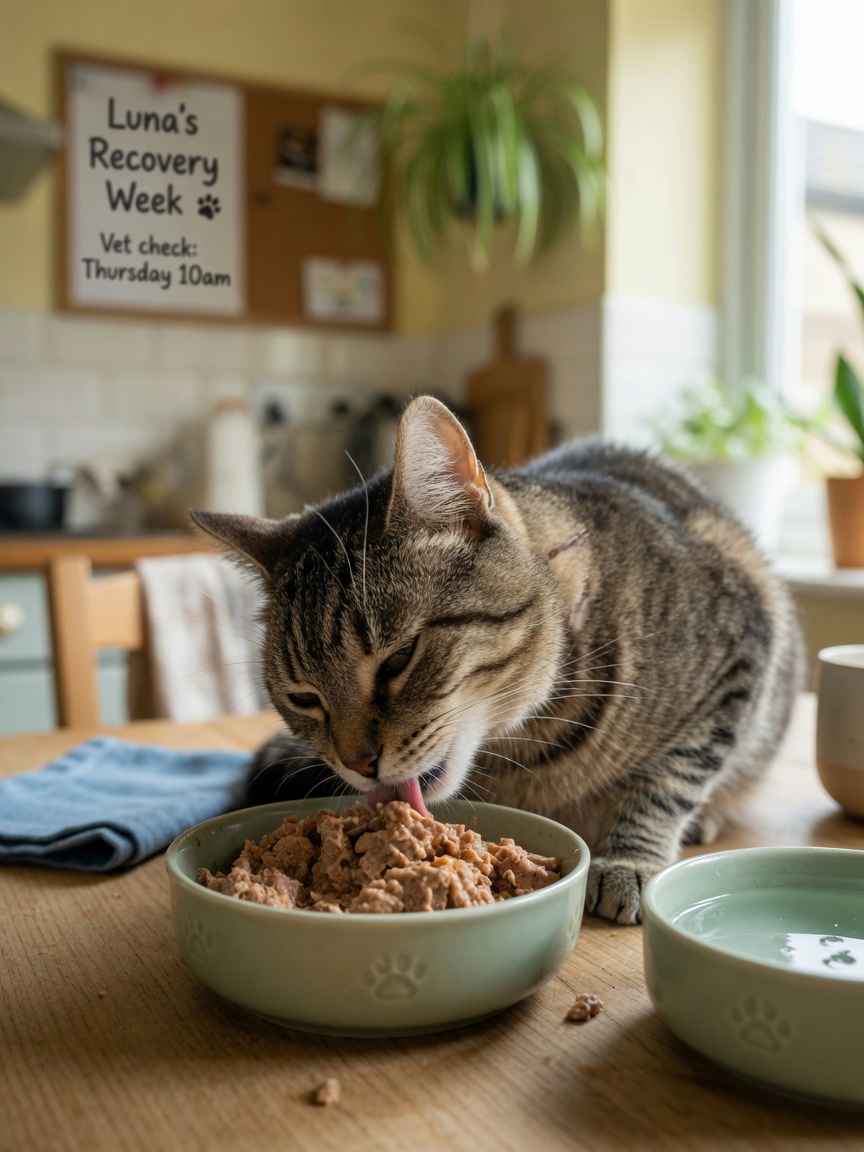
Cats adapt remarkably well to tooth loss, including multiple extractions. Many owners report that their cat eats better after treatment than before — a clear indication of how much chronic, unacknowledged pain was present beforehand. Most cats return to eating wet and even dry food within days of surgery. Post-operative pain management is essential and should always be part of the discharge protocol. Your vet will advise on appropriate analgesia and soft feeding during the recovery period.
Practical Summary
- Have your cat's mouth examined by a vet at least annually, and request dental X-rays as part of any dental procedure under anaesthesia.
- Watch for jaw chattering, food dropping, one-sided chewing, or reluctance to be touched around the face — these warrant prompt veterinary assessment.
- Understand that tooth resorption is not caused by owner neglect — it occurs in well-cared-for cats across all backgrounds.
- If your cat is diagnosed, ask your vet to clarify the lesion type before surgery, as treatment differs significantly between types.
- Do not delay treatment once resorption is identified — the condition is progressive and the associated pain is real, even when cats mask it effectively.
- Always consult a veterinarian for diagnosis and treatment decisions; home remedies have no role in managing tooth resorption.