
What Congestive Heart Failure Actually Means
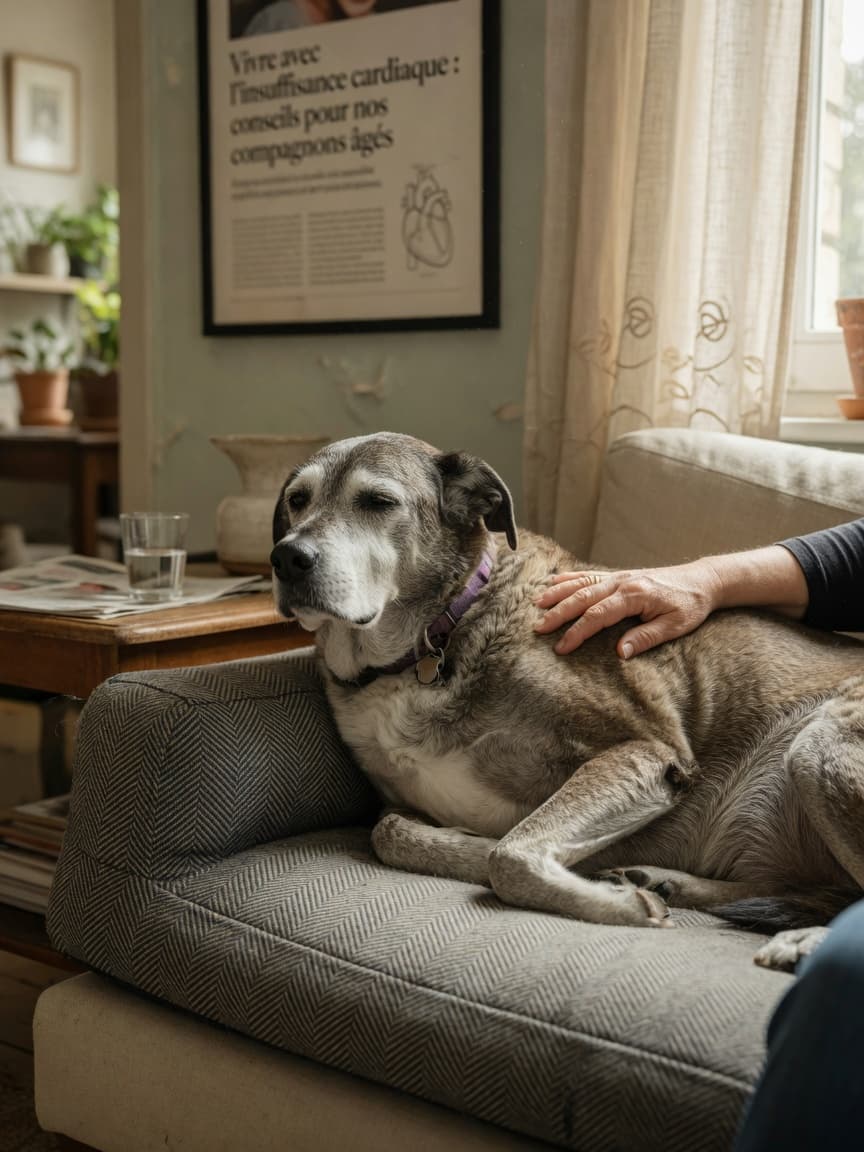
Congestive heart failure — CHF — occurs when the heart can no longer pump blood efficiently enough to meet the body's demands, and fluid begins to accumulate in places it should not be. In dogs, this most commonly means fluid in or around the lungs, in the abdomen, or occasionally in the chest cavity around the heart itself. It is a clinical syndrome that develops as the end stage of various underlying cardiac diseases rather than a disease in its own right.
The word "failure" sounds absolute, but CHF exists on a spectrum. With appropriate management, many dogs live comfortably for months to years after diagnosis, maintaining a good quality of life with the help of medication and careful monitoring at home.
Recognising the Symptoms
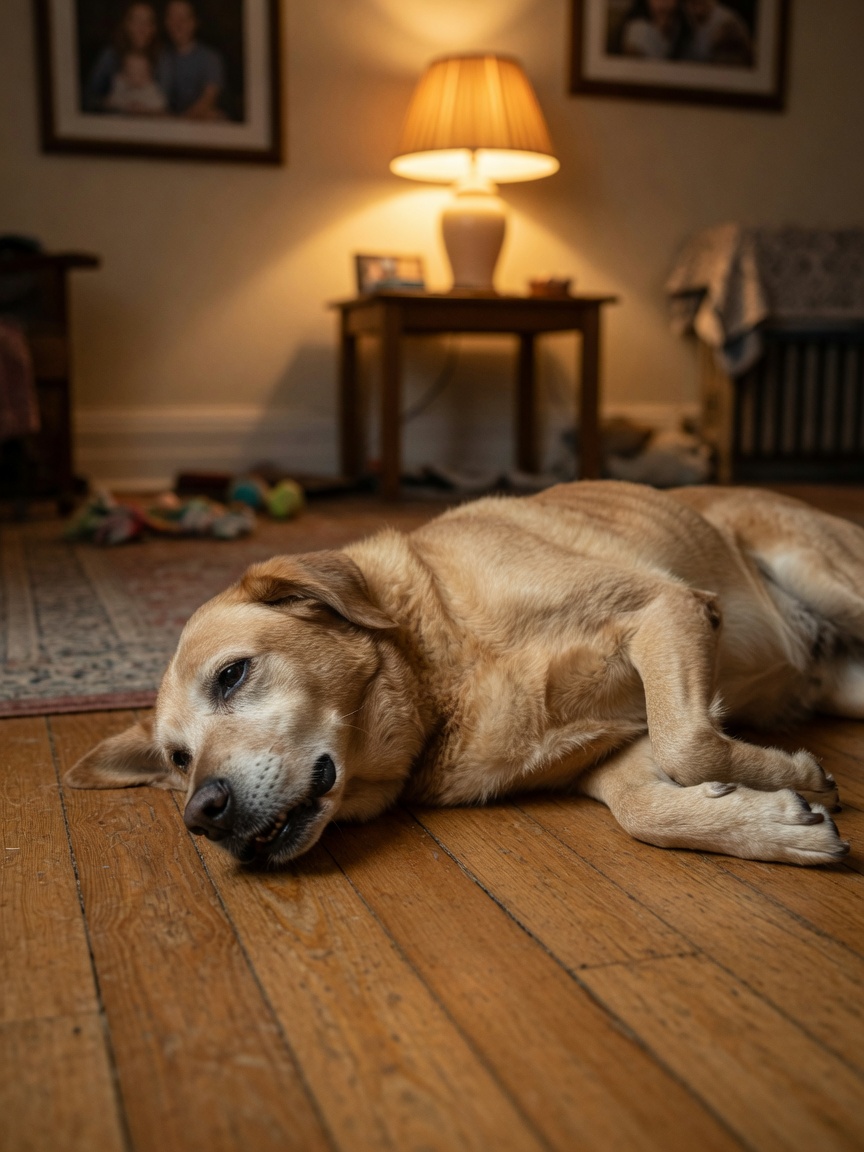
The symptoms of CHF in dogs relate directly to where the fluid accumulates and how severely cardiac function is compromised. Left-sided heart failure, the most common form and typically caused by mitral valve disease or dilated cardiomyopathy, leads to fluid in the lungs (pulmonary oedema). Right-sided failure causes fluid in the abdomen (ascites) and may cause fluid around the lungs (pleural effusion).
Common signs owners notice include:
- Persistent coughing, often worse at night or when lying down
- Laboured or rapid breathing, or an increased resting respiratory rate above 30 breaths per minute
- Reduced exercise tolerance — a dog that tires quickly or refuses walks
- A swollen or distended abdomen due to fluid accumulation
- Lethargy, reduced appetite, and weight loss
- Restlessness or inability to settle, particularly at night
- Fainting or collapse episodes
- Blue or grey-tinged gums in severe cases, indicating oxygen deprivation
Resting respiratory rate is one of the most useful tools available to owners. Counting breaths over a sixty-second period while your dog is relaxed and asleep provides a baseline. A consistent increase above 30 breaths per minute, particularly when combined with other symptoms, should prompt an urgent veterinary call rather than a wait-and-see approach.
Diagnosis and Staging
CHF diagnosis involves a combination of clinical examination, chest radiography to assess heart size and lung fluid, and echocardiography to evaluate cardiac structure and function. Blood biomarkers such as NT-proBNP are increasingly used to support diagnosis, particularly in cases where the history is suggestive but imaging is inconclusive.
The ACVIM staging system for mitral valve disease — the most common cause of CHF in dogs — classifies Stage C as dogs currently experiencing or having previously experienced heart failure. Stage D refers to dogs with heart failure that is refractory, meaning it no longer responds adequately to standard doses of standard medications. Understanding what stage your dog is in helps set realistic expectations and guides treatment decisions.
Medications Used to Manage CHF
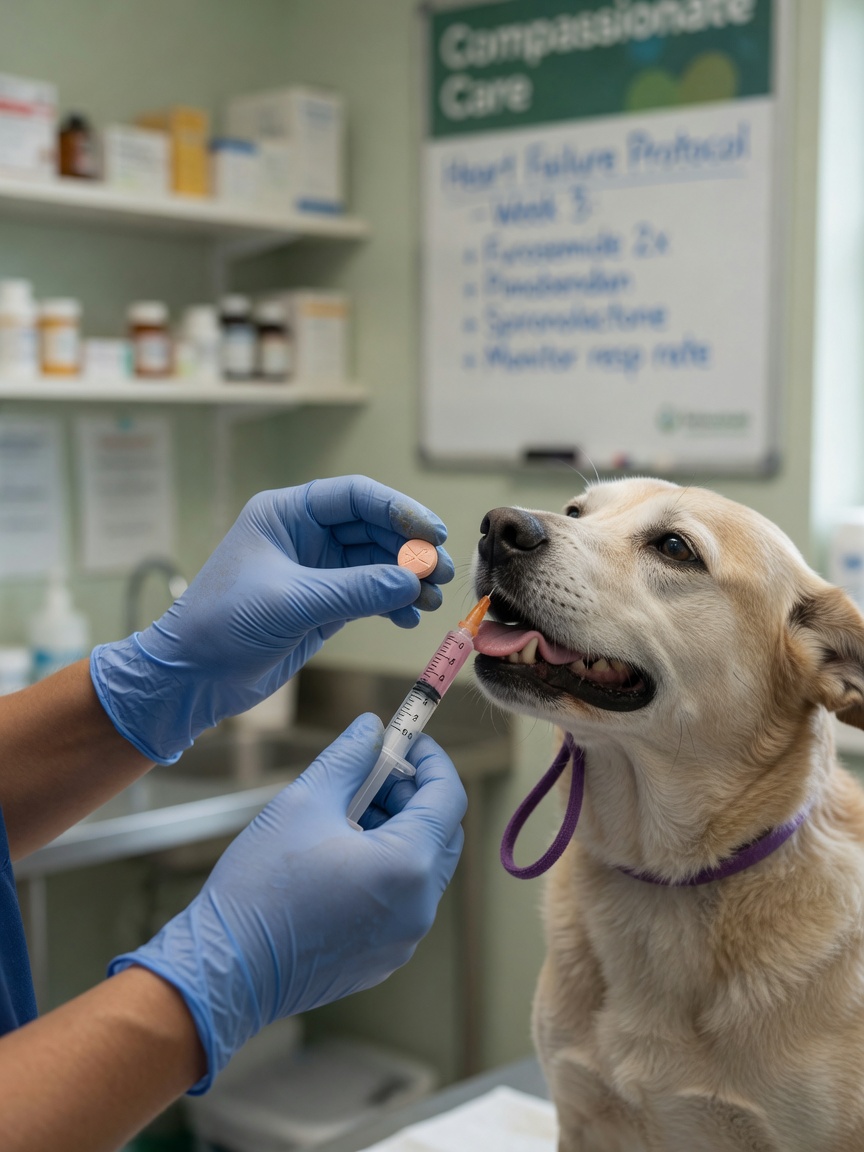
There is no curative treatment for CHF in dogs, but the combination of medications available today has transformed it from a rapidly fatal diagnosis to a manageable chronic condition for many patients. Treatment is typically multi-drug and individualised.
Furosemide
A loop diuretic, furosemide is usually the first medication introduced when heart failure is confirmed. It works by prompting the kidneys to excrete excess sodium and water, reducing the fluid burden on the lungs and abdomen. Dose is adjusted based on symptom control and kidney function monitoring, as long-term diuretic use requires careful electrolyte and renal oversight.
Pimobendan
Pimobendan is a cornerstone of CHF management in dogs. It acts as both a positive inotrope — increasing the force of heart muscle contraction — and a vasodilator, reducing the workload on the heart. Evidence from the QUEST trial demonstrated meaningful survival benefit in dogs with MVD-related heart failure treated with pimobendan. It is typically given twice daily and is well tolerated by most dogs.
ACE Inhibitors
Drugs such as enalapril or benazepril block the renin-angiotensin-aldosterone system, a hormonal pathway that promotes sodium retention and vasoconstriction when the body detects poor cardiac output. ACE inhibitors counteract this response, reducing the strain on the heart and helping to slow disease progression.
Spironolactone
A potassium-sparing diuretic with additional anti-fibrotic properties, spironolactone is often added as heart failure progresses. It provides complementary diuresis to furosemide and may have protective effects on the heart muscle itself.
Additional Medications
Some dogs require additional interventions including digoxin for rate control in atrial fibrillation, anti-arrhythmic drugs, sildenafil for pulmonary hypertension, or torasemide as an alternative to furosemide in refractory cases. Management at Stage D often requires specialist input to navigate these more complex regimens.
Life Expectancy After Diagnosis
Survival after a CHF diagnosis varies considerably depending on the underlying cause, the stage at diagnosis, the breed, and how well the dog responds to initial treatment.
For dogs with mitral valve disease reaching Stage C, median survival times in clinical trials with modern multi-drug therapy have ranged from approximately nine to fifteen months, though individual dogs may do considerably better or worse. Dogs that respond well to initial hospitalisation and stabilisation, and whose owners maintain close monitoring at home, often reach the upper end of that range.
Dogs with dilated cardiomyopathy reaching heart failure generally have a shorter survival time, often three to six months, though again there is significant variation by breed and individual response to treatment.
Quality of life is as important as duration. Many dogs in well-managed CHF maintain their appetite, enjoy gentle activity, and remain engaged and comfortable with their families. The goal of treatment is not simply to extend survival time but to preserve the enjoyment of whatever time remains.
Regular veterinary rechecks — typically every one to three months — allow medication adjustments as the disease progresses, and open communication between owner and veterinarian about quality of life remains the most important ongoing discussion throughout this process.