
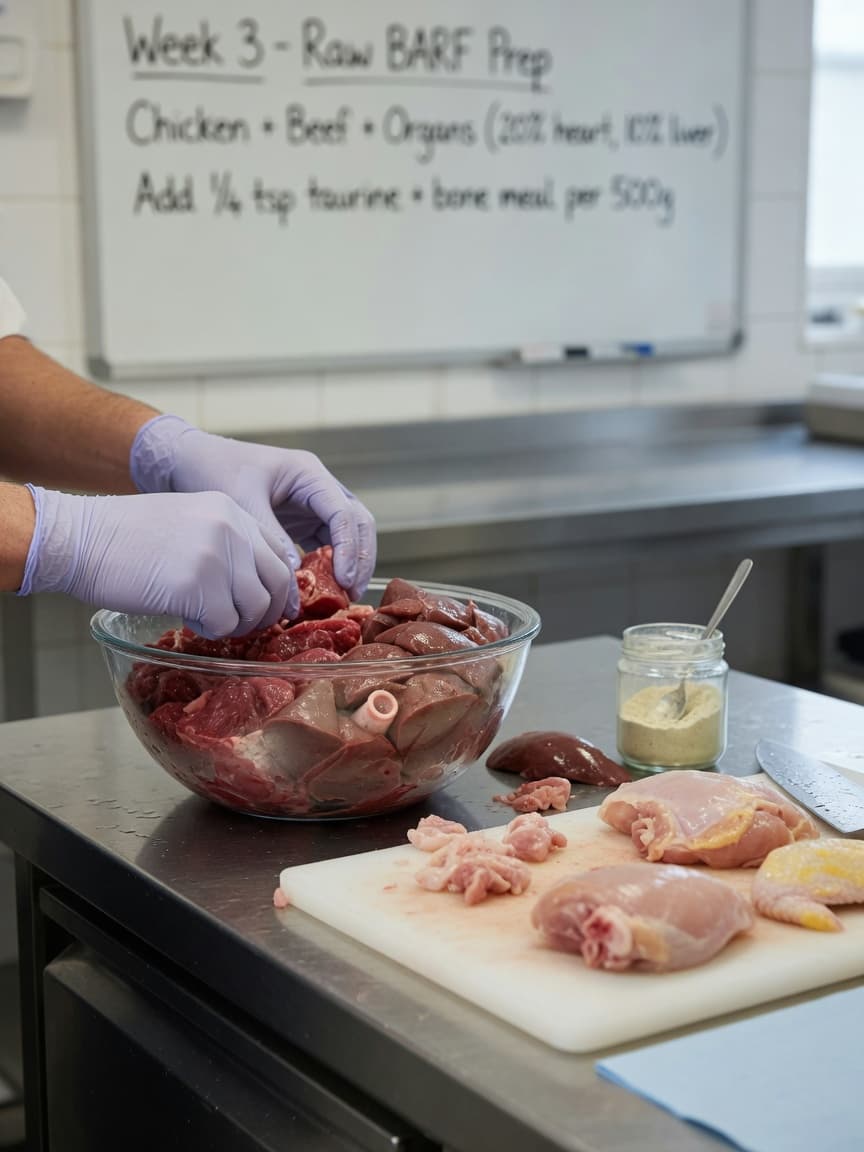
Why Raw Feeding Appeals to Cat Owners
Cats are obligate carnivores. Every nutritional requirement they have evolved to meet comes from animal tissue — not grains, not vegetables, not synthetic supplements cobbled together in a processing plant. It is understandable, then, that feeding raw meat feels instinctively correct to many owners. The idea is straightforward: feed the animal something close to what it would eat in the wild, and let biology do the rest.
Raw feeding — sometimes called BARF (Biologically Appropriate Raw Food) or prey model feeding — has grown significantly in popularity over the past decade. Proponents report improvements in coat condition, digestion, dental health, and energy levels. But enthusiasm alone does not make a practice safe or complete, and raw diets for cats carry genuine risks that need to be understood before you make the switch.
Potential Benefits Backed by Evidence
Some of the claimed benefits of raw feeding do have a basis in nutritional logic. Cats have a limited ability to digest carbohydrates efficiently — their digestive systems produce lower levels of amylase compared to dogs or humans, and they lack the salivary version of the enzyme entirely. Many commercial cat foods, particularly dry kibble, contain substantial carbohydrate content that cats are not well-equipped to process. A raw diet, by contrast, tends to be high in protein and moisture and very low in carbohydrates, which mirrors feline evolutionary dietary patterns more closely.
Moisture content is particularly significant. Cats have a naturally low thirst drive because their wild prey provides most of their hydration. Chronic low water intake is linked to urinary tract disease and kidney problems, both of which are common in domestic cats. Raw food — whether muscle meat, organ, or whole prey — contains far more moisture than dry food, which may support better urinary and renal health over time.
There is also evidence that raw diets can improve stool quality and reduce faecal volume, likely because a higher proportion of the food is digestible by the cat's gut, leaving less waste.
The Real Risks You Cannot Ignore
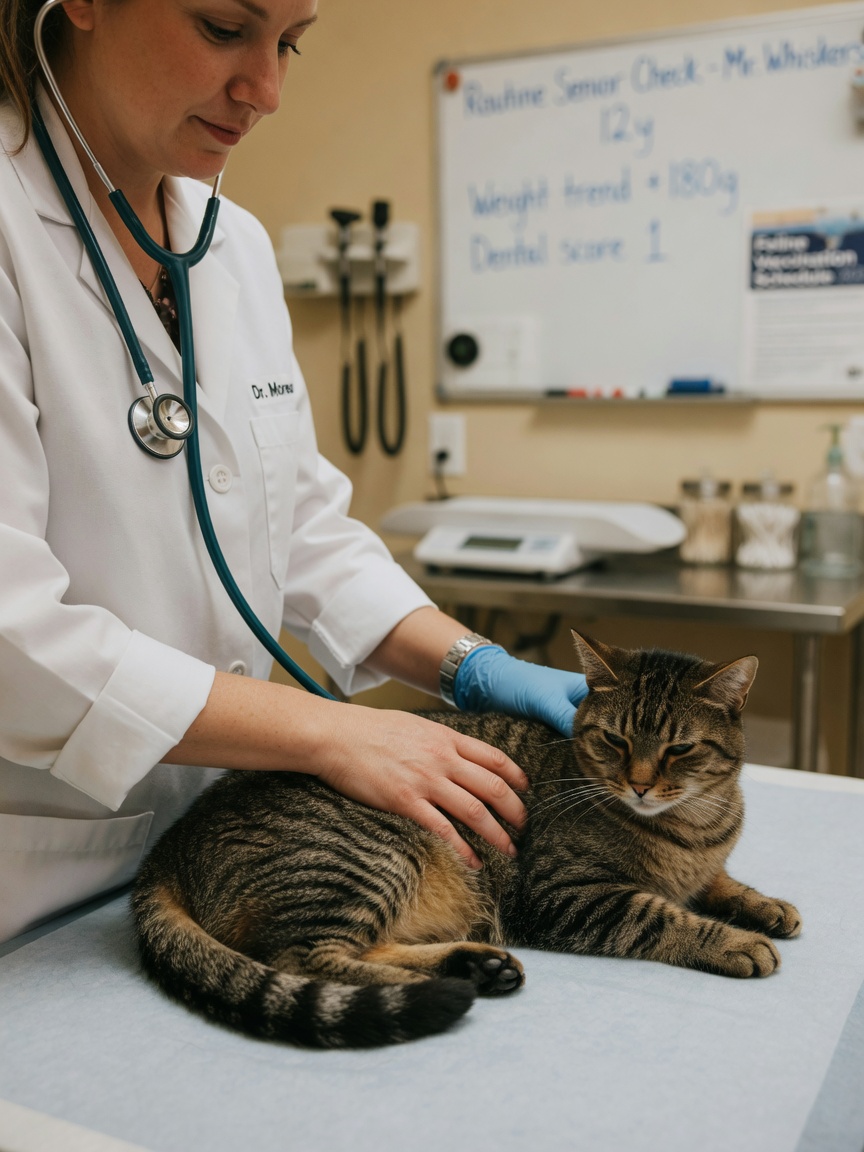
Raw meat carries pathogens. Salmonella, Listeria, E. coli, and Campylobacter are all possible contaminants in raw poultry and meat products. Cats can carry and shed these bacteria even when they appear healthy, creating a risk for the people in the household — particularly children, elderly individuals, pregnant women, and anyone immunocompromised.
Parasites are another concern. Raw pork and wild game carry a particular risk of Toxoplasma gondii and Trichinella, both of which can infect humans. Freezing meat at very low temperatures for several weeks can reduce (though not eliminate) some parasite risks.
Beyond contamination, the most significant nutritional risk with homemade raw feeding is imbalance. A diet of muscle meat alone is not nutritionally complete. Cats require specific nutrients that must come from organ meat, bone, and supplementation — including taurine, arachidonic acid, vitamin A (from animal sources, as cats cannot convert beta-carotene), niacin, and others. Deficiencies develop over months, not days, and by the time symptoms appear the damage may be significant.
Commercially Prepared Raw Versus Homemade
Commercially prepared raw diets — sold frozen or freeze-dried — offer a middle ground. Reputable manufacturers formulate these products to meet FEDIAF (European Pet Food Industry Federation) or AAFCO nutritional standards, which means the nutrient profile has been calculated to be complete and balanced. They also typically undergo high-pressure processing (HPP) to reduce bacterial load without cooking the food.
Homemade raw diets are far more complex to get right. If you choose this route, working with a board-certified veterinary nutritionist to formulate a recipe is not optional — it is essential. Generic recipes found online frequently contain errors or omissions that lead to nutritional deficiencies over time.
How to Raw Feed Safely
- Source meat from reputable, human-grade suppliers and handle it with the same hygiene standards you would apply to your own food preparation.
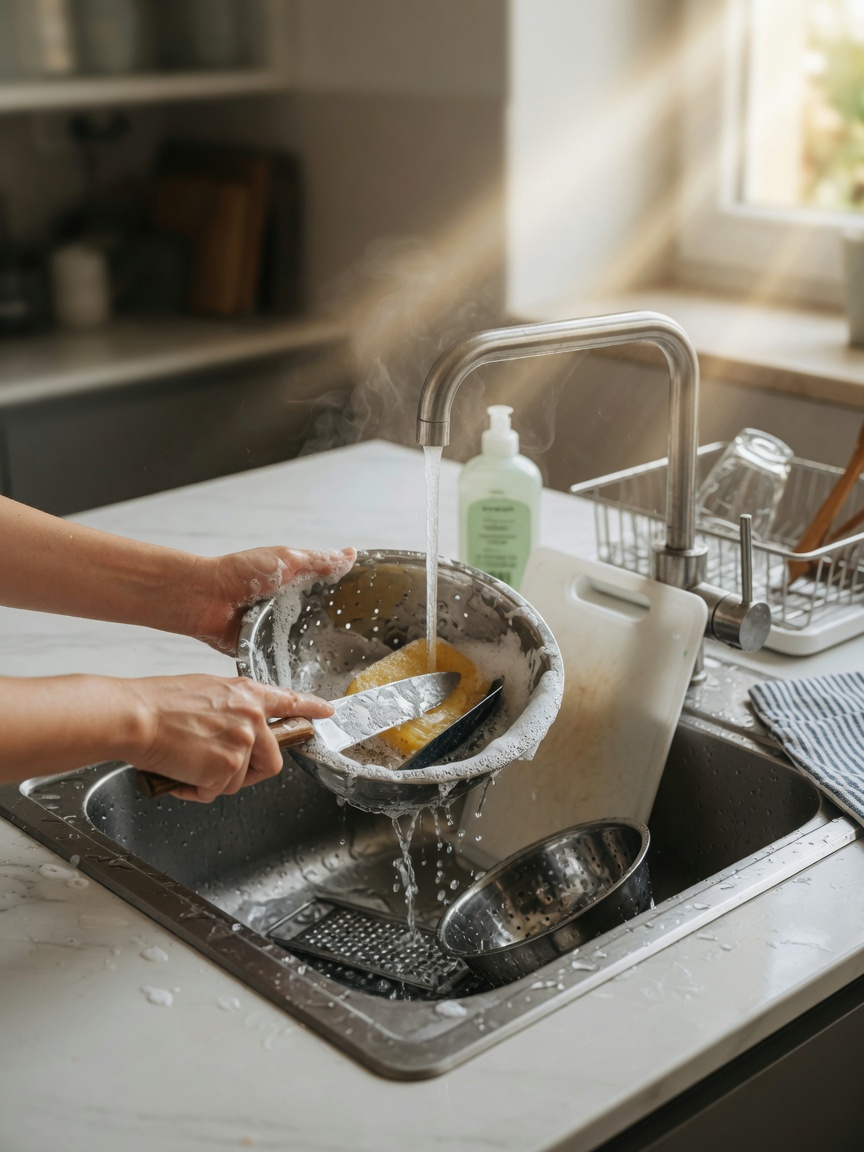
- Wash all surfaces, bowls, and utensils that come into contact with raw meat immediately after use.
- Never feed raw pork or wild game without prior deep freezing (-20°C for at least three weeks) to reduce parasite risk.
- If using a homemade recipe, have it reviewed by a veterinary nutritionist before feeding it long-term.
- Schedule regular veterinary check-ups including blood panels to catch any developing deficiencies early.
- Transition gradually — switching abruptly can cause digestive upset, especially in cats accustomed to commercial food.
Is It Right for Your Cat?
Raw feeding is not appropriate for all cats. Immunocompromised animals, cats receiving chemotherapy, very young kittens, and elderly cats with compromised digestive function are at higher risk from both pathogen exposure and nutritional imbalance. If your cat has kidney disease, liver disease, or a history of urinary issues, dietary changes should always involve your vet.
For healthy adult cats, a well-formulated raw diet — whether commercial or carefully homemade — can be a sound nutritional choice. The key word is well-formulated. The benefits of raw feeding are real, but they require diligence, hygiene, and ongoing monitoring to be realised safely.