
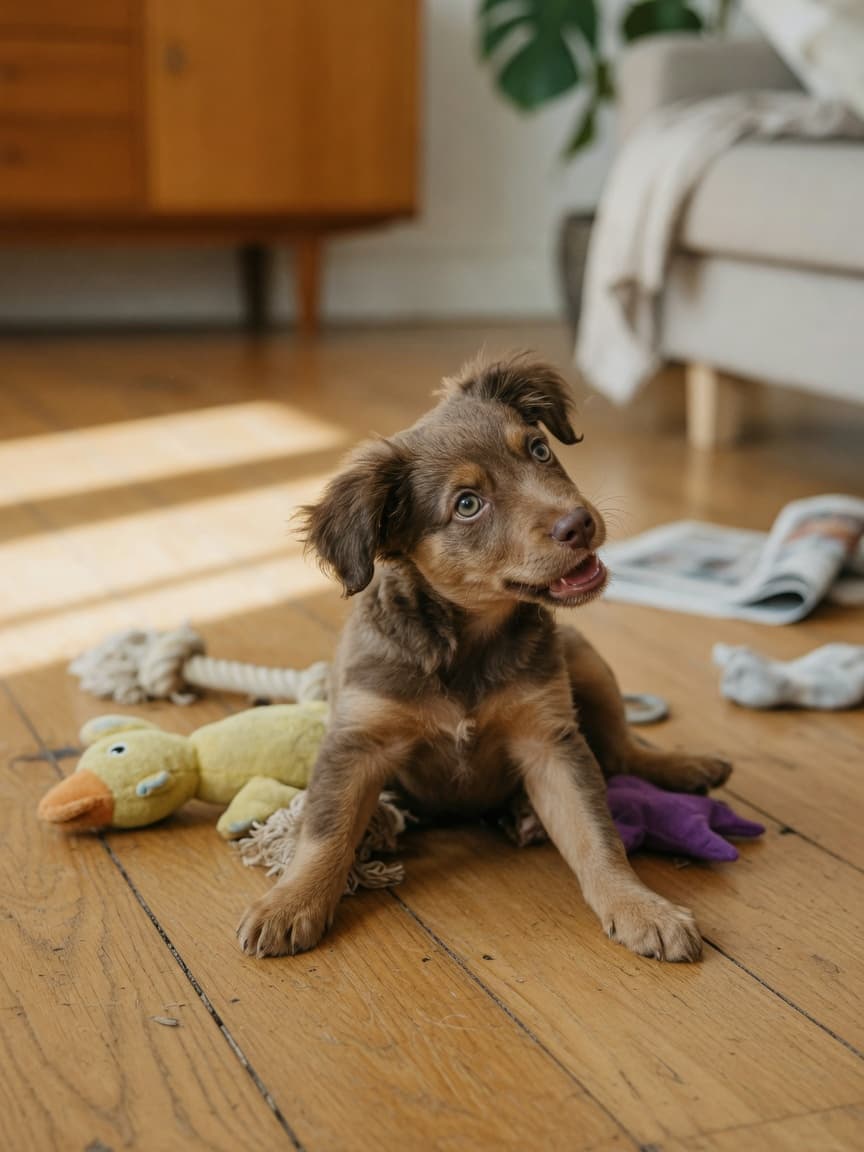
The Window That Shapes a Dog for Life
Studies suggest that puppies exposed to fewer than five novel experiences per week during their first three months are significantly more likely to develop fear-based behaviours as adults. That brief stretch between three and fourteen weeks of age — the socialisation window — is arguably the most important period in your dog's entire life. Miss it, and no amount of training later will fully compensate.
What Actually Happens During This Period
Between three and fourteen weeks, a puppy's brain is primed to accept new experiences as normal. Neural pathways form rapidly, and whatever the pup encounters — people, sounds, surfaces, animals, environments — gets filed under "safe and familiar." After fourteen weeks, the brain becomes more cautious. Novel things are treated with suspicion by default.
The Fear Imprint Period
Within the socialisation window sits a fear imprint period, typically around eight to ten weeks. A single strongly negative experience during this phase can leave a lasting mark. This is not the time for rough handling, overwhelming noise, or visits to chaotic environments. Positive, controlled exposure is the goal.
What Your Puppy Needs to Meet
Effective socialisation is not simply about meeting other dogs. Research from veterinary behaviourists points to five broad categories of exposure that matter most:
- People — children, men with beards, people wearing hats, people using mobility aids, people in uniforms
- Animals — other dogs of varying sizes, cats, and if relevant to your lifestyle, livestock or small animals
- Environments — pavements, grass, gravel, stairs, lifts, busy streets, quiet parks
- Sounds — traffic, thunder recordings, household appliances, loud voices, music
- Handling — ears, paws, mouth, tail, being lifted, being restrained gently
Each exposure should be paired with something pleasant — a treat, calm praise, or play — so the association becomes positive. Flooding a puppy with stimuli without positive pairing can produce the opposite of the intended effect.
The Vaccination Dilemma
Here lies the tension many new owners face. Puppies are typically not fully vaccinated until around twelve to sixteen weeks, yet the socialisation window closes at fourteen weeks. Waiting until vaccinations are complete before venturing out means missing most of the critical period entirely.
A Pragmatic Middle Ground
Most veterinary organisations now recommend a balanced approach: carry your puppy in areas where unvaccinated dogs roam freely, visit homes with vaccinated adult dogs, attend puppy classes run in clean, controlled environments, and begin gradual outdoor exposure once the first vaccination course has begun. The risk of serious behavioural problems from under-socialisation is, in many cases, greater than the infection risk from carefully managed early outings. Discuss the specific risks in your area with your vet, as local disease prevalence should inform your decisions.
The Role of the Breeder Before Week Eight
Responsible breeders do not wait for puppies to arrive in their new homes before socialisation begins. From three weeks, pups should be handled daily, exposed to household sounds, and introduced to different surfaces. The Early Neurological Stimulation protocol — a series of brief handling exercises applied from days three to sixteen — has been shown to improve stress tolerance and cardiovascular performance in adult dogs. When choosing a breeder, ask specifically what socialisation programme they follow. A blank stare is a red flag.
What Happens If the Window Is Missed
Under-socialised dogs are not lost causes, but rehabilitation is genuinely harder. Fear, reactivity, and aggression are the most common long-term consequences. Behaviour modification with a qualified clinical animal behaviourist can make meaningful improvements, but it is slower, more expensive, and emotionally demanding for both dog and owner. Prevention during the critical window is incomparably more effective.
A Practical Socialisation Checklist for the First Fourteen Weeks
- Introduce at least three new people per week from varied demographics
- Arrange at least two positive encounters with vaccinated, calm adult dogs
- Expose your puppy to five different surfaces before week twelve
- Play recordings of thunder, fireworks, and traffic at low volume during mealtimes
- Practise gentle daily handling of paws, ears, and mouth from day one at home
- Enrol in a reputable puppy class that begins before twelve weeks
- Always end every new experience on a positive note
Consult your vet before finalising your outdoor socialisation plan, particularly if your local area has elevated rates of parvovirus or distemper. The window is short. Use it well.