
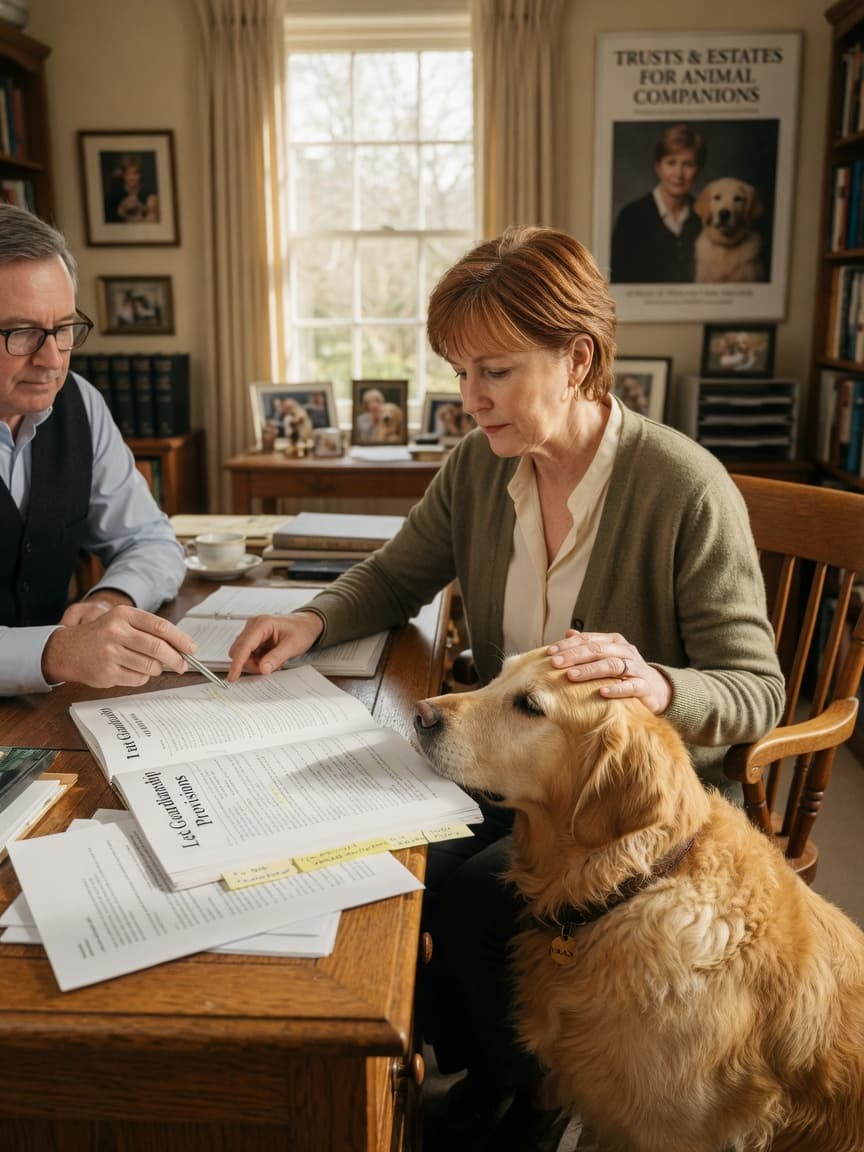
It's not a pleasant topic to consider, but planning for your dog's future welfare if something unexpected happens to you is one of the most responsible things a pet owner can do. Without proper arrangements in place, your beloved companion could face an uncertain future—potentially ending up in shelters, rehoming situations, or worse. This comprehensive guide explores what happens to dogs when their owners pass away and how you can ensure your pet receives the care and love they deserve, no matter what.
The Legal Reality: Pet Ownership and Estate Planning
In most jurisdictions across Europe, pets are legally considered property rather than dependents. This means that without explicit instructions in your will, your dog has no guaranteed protection or predetermined care arrangement. Your pet could become part of your estate and be distributed according to intestacy laws, which rarely prioritise the animal's wellbeing.
The solution is straightforward: include your dog in your will or create a pet trust. Specify exactly who you want to care for your dog, and ensure that person has agreed to this responsibility beforehand. Many solicitors now offer pet-specific planning services, and the cost is typically modest compared to the peace of mind it provides.
What Happens Without a Plan
- Shelter placement: If no family member claims your dog, they'll likely be taken to a local animal shelter or rescue centre, where resources are often stretched thin
- Lengthy kennelling costs: Your estate may face unexpected expenses as your dog waits to be rehomed
- Stress and behavioural issues: Dogs can develop anxiety, aggression, or depression when separated from their owners and placed in unfamiliar environments
- Rehoming complications: Older dogs or those with behavioural challenges may struggle to find new homes quickly
- Euthanasia risk: In some circumstances, particularly with larger breeds or those with behaviour issues, shelters may make difficult decisions about space and resources
Designating a Guardian for Your Dog
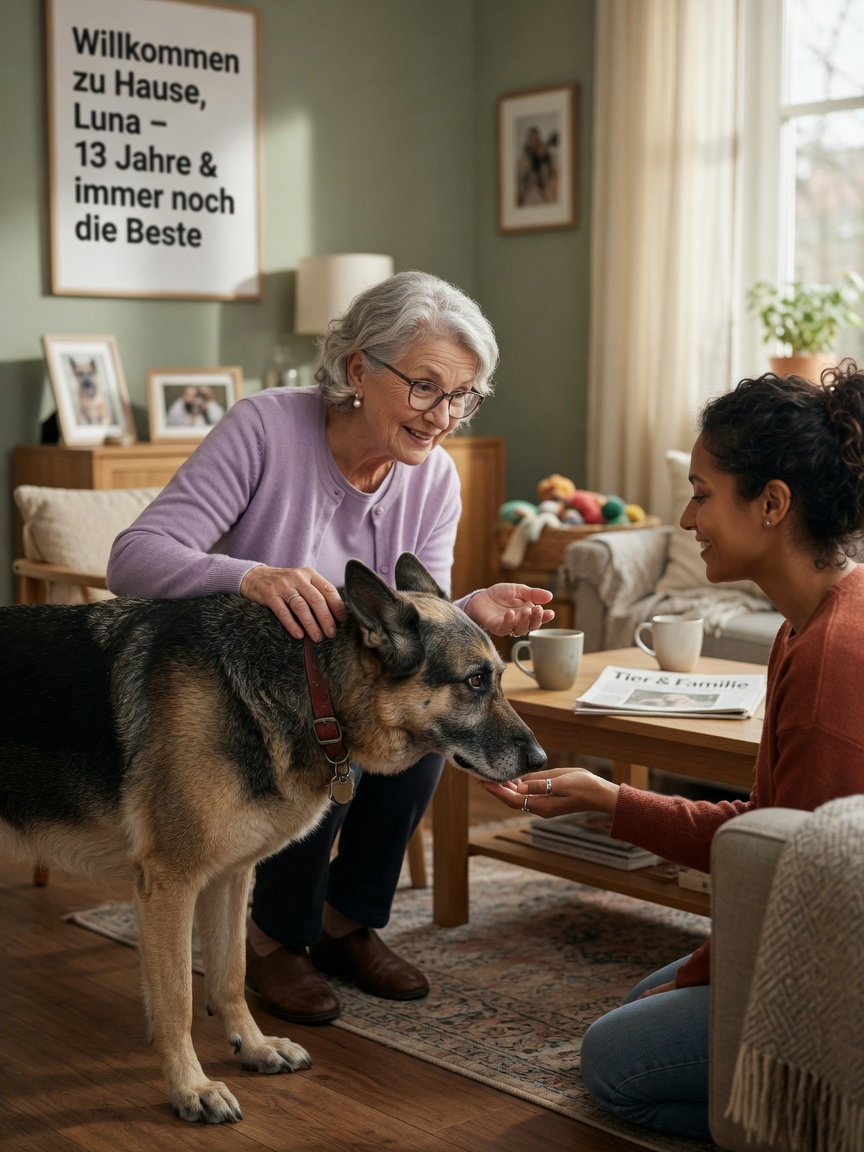
The best outcome for your dog is being cared for by someone they already know and love. When selecting a guardian, consider:
- Age and health: Choose someone likely to outlive you and have the physical capacity to care for an active pet
- Financial stability: Ensure they can afford veterinary care, food, and unexpected health expenses
- Lifestyle compatibility: Does their routine match your dog's exercise and social needs?
- Genuine commitment: Have a detailed conversation—don't assume someone will automatically accept this responsibility
- Have a backup: Identify a secondary guardian in case your first choice is unable or unwilling to help when needed
Financial Arrangements and Pet Trusts
Caring for a dog is expensive. Veterinary bills, food, toys, and other necessities can cost hundreds of pounds annually. Consider leaving a financial bequest specifically for your dog's care. In your will, you can specify an amount of money to be given to your chosen guardian to cover these expenses.For larger estates, a formal pet trust offers more control. This legal arrangement allows you to set aside funds specifically for your dog's care, with detailed instructions about how the money should be spent and who oversees its management. A solicitor specialising in pet law can help establish this.
Microchipping and Medical Records
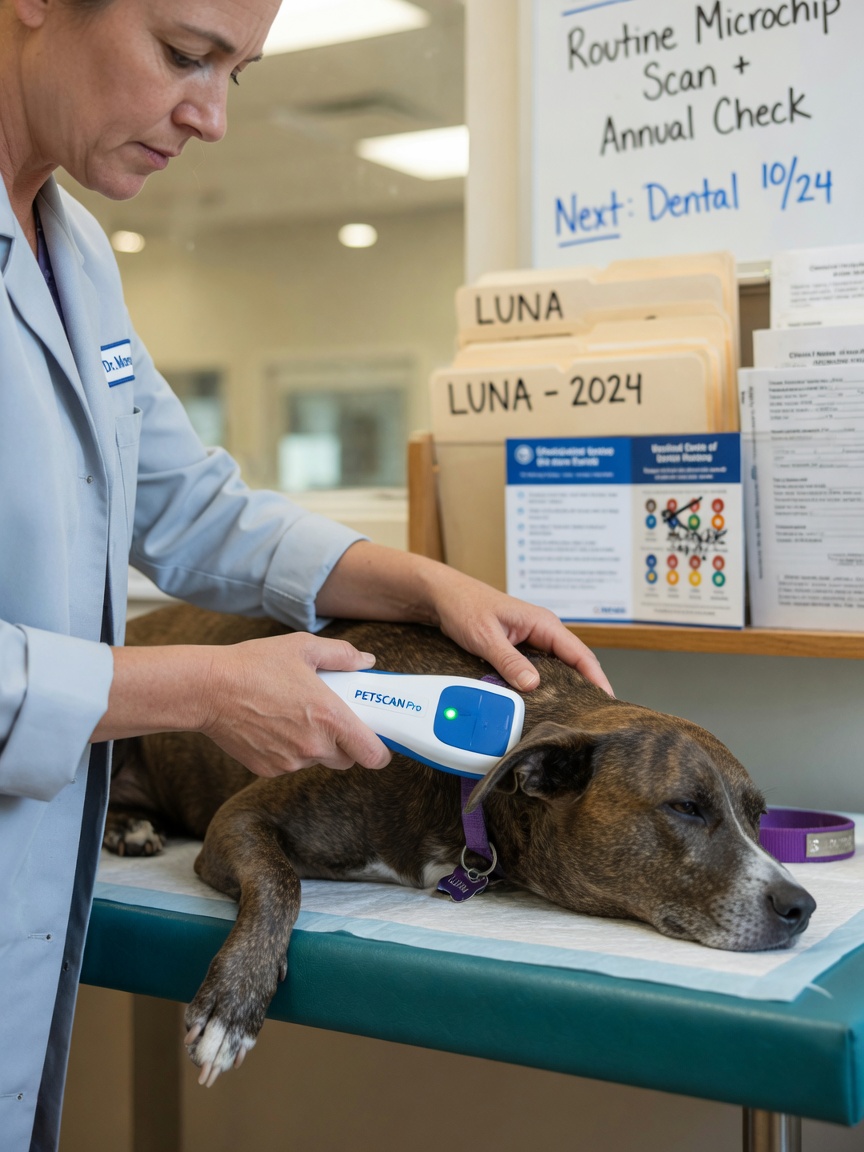
Ensure your dog's microchip information is current and includes the contact details of your designated guardian. Keep comprehensive medical records, including vaccination certificates, any ongoing prescriptions, dietary requirements, and behavioural notes. These documents should be easily accessible alongside your will, stored with your solicitor or in a safe place your family knows about.
Key Takeaways: Protecting Your Dog's Future
- Create or update your will immediately to include specific provisions for your dog
- Choose a guardian and discuss it with them before officially naming them
- Leave adequate funds to cover your dog's care for their remaining lifespan
- Maintain updated microchip details and store medical records accessibly
- Consider a pet trust for larger estates or complex care requirements
- Keep instructions simple and clear about your dog's personality, routines, and preferences
Planning for your dog's future isn't morbid—it's an act of love. By taking these steps now, you ensure your faithful companion receives the devoted care they deserve and remains with people who love them, whatever life brings.