
Understanding a Puppy's Digestive System
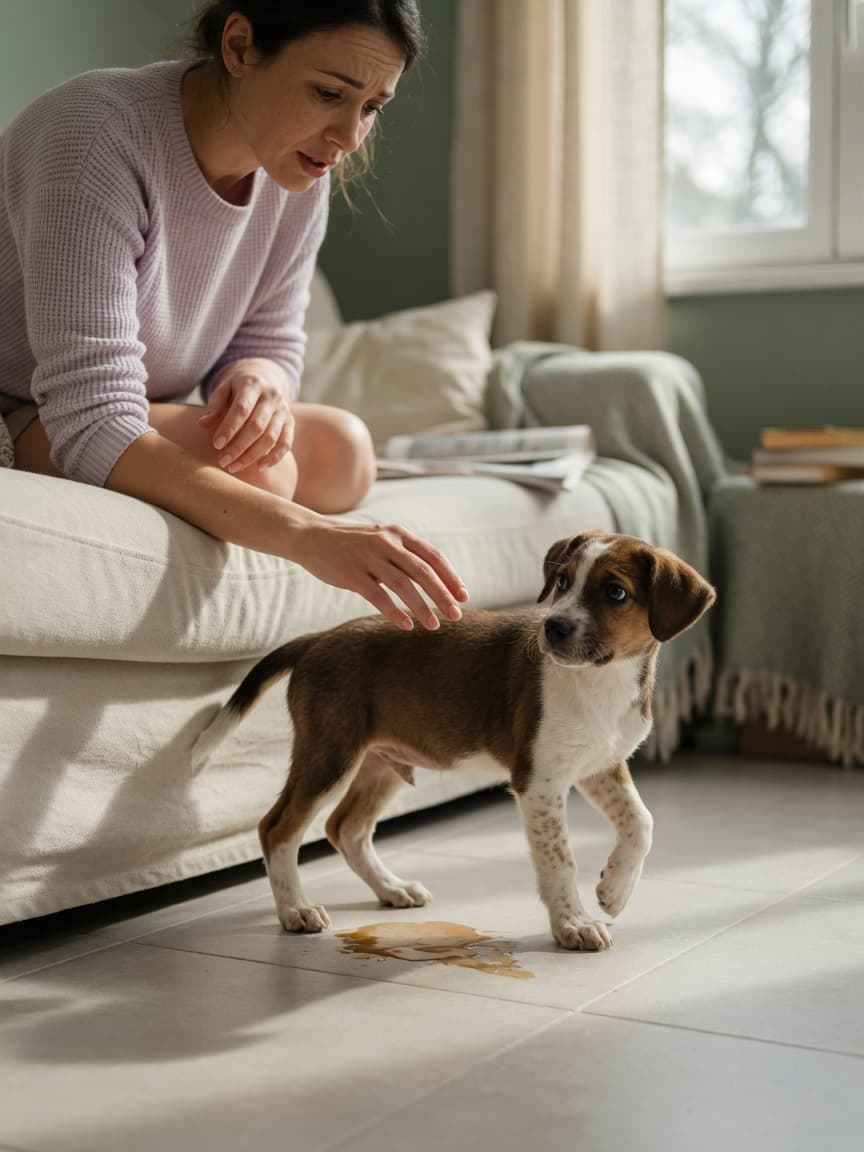
A puppy's gastrointestinal tract is not a miniature version of an adult dog's. It is still developing, more sensitive to change, and far less forgiving of dietary inconsistency or stress. Loose stools in young puppies are genuinely common, and in many cases resolve on their own within twenty-four to forty-eight hours. The challenge for owners is knowing when loose stools cross the line from nuisance into something that requires veterinary attention.
Context is everything. A single episode of soft stool in a puppy who is bright, eating, drinking, and playing is very different from persistent watery diarrhoea in a lethargic puppy who is refusing food. Both involve loose stool — the clinical significance could not be more different.
Common Causes That Are Usually Not Serious
The most frequent triggers of mild puppy diarrhoea are entirely mundane:
- Diet change: switching food too quickly, even between two good-quality products, disrupts the gut microbiome and commonly produces loose stools for three to five days
- Stress: the first week in a new home is one of the most physiologically stressful events in a dog's life; stress directly affects gut motility
- Dietary indiscretion: puppies eat things they should not — grass, soil, a piece of rubber toy, a fallen piece of food — and the gut responds accordingly
- Overfeeding: puppies given more food than their digestive system can process will produce soft or loose stools reliably
- New treats or chews: high-fat treats or novel protein sources introduced suddenly can trigger diarrhoea even in otherwise healthy puppies
In most of these cases, temporarily reducing portion size, withholding treats, and offering plain food such as boiled chicken and white rice for twenty-four hours will settle things down.
Causes That Require Veterinary Assessment
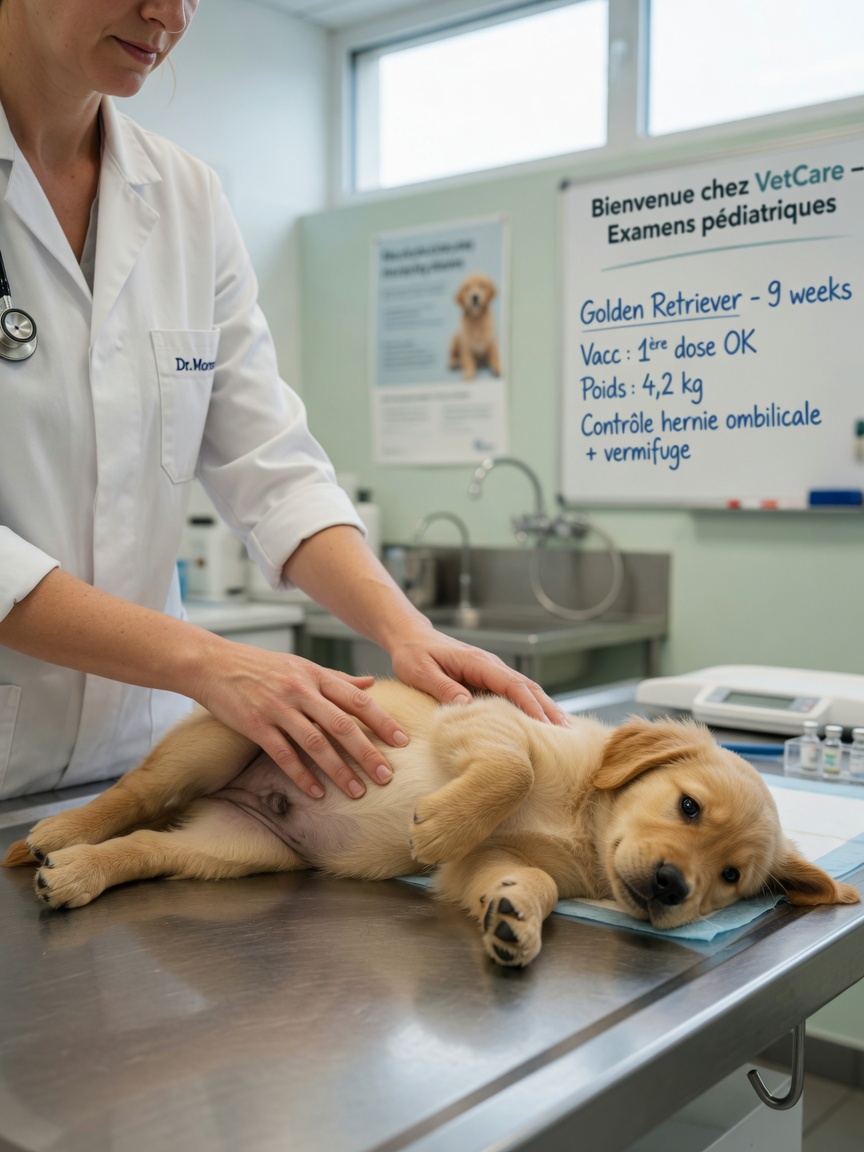
Other causes are more serious and need professional evaluation rather than home management. Intestinal parasites are extremely common in puppies. Roundworm, hookworm, whipworm, Giardia, and Coccidia can all cause diarrhoea ranging from mild to severe, and most of these will not resolve without appropriate treatment. This is why routine faecal screening and deworming protocols exist — they are not optional extras.
Parvovirus is the cause every puppy owner must take seriously. It is highly contagious, can survive in the environment for months, and carries a high mortality rate in unvaccinated puppies. Parvo-associated diarrhoea is typically severe, often bloody, accompanied by vomiting, lethargy, and loss of appetite. Any puppy presenting with this combination needs emergency veterinary care immediately.
Bacterial infections from Salmonella, Campylobacter, or Clostridium can also cause diarrhoea, particularly in puppies who have been in high-density environments such as pet shops or large breeding facilities.
Signs That Mean You Should Call the Vet Today
Do not wait for a scheduled appointment if your puppy shows any of the following:
- Blood in the stool — either bright red or very dark, tarry stools
- Vomiting alongside diarrhoea, particularly if repeated
- Lethargy or weakness — a puppy who does not want to play or move normally
- Loss of appetite lasting more than one meal
- Diarrhoea persisting beyond forty-eight hours even without other symptoms
- Signs of dehydration: skin that does not spring back when gently pinched, dry or tacky gums, sunken eyes
- A puppy who has not yet been fully vaccinated and has had contact with unknown dogs or contaminated environments
Puppies dehydrate far more quickly than adult dogs. What might be a self-limiting inconvenience in an adult can become life-threatening in a twelve-week-old puppy within hours. If in doubt, call your vet — most practices are happy to advise over the phone whether a same-day visit is needed.
What to Tell Your Vet
When you ring your vet, the more information you can provide, the more useful the triage conversation will be. Try to note the following before you call:
- When the diarrhoea started and how frequently it is occurring
- The consistency and colour — watery, soft-formed, mucousy, or bloody
- Whether your puppy is eating, drinking, and behaving normally
- Any recent diet changes, new treats, or things they may have eaten
- Your puppy's vaccination and deworming history
- Whether they have been in contact with other dogs or outside environments
Home Management for Mild Cases
For a puppy who is otherwise well and showing only mild loose stools, a short period of bland feeding can help settle the gut. Boiled white rice with plain boiled chicken breast in a ratio of roughly three to one is the classic approach. Feed small portions frequently rather than large meals. Return gradually to their normal diet over three to four days.
Probiotic supplements specifically formulated for dogs can support gut recovery and are worth discussing with your vet. Human probiotics are generally not appropriate, as the bacterial strains differ. Keep your puppy well hydrated and monitor closely. If things are not improving within forty-eight hours or worsen at any point, veterinary assessment is the next step — not continued home management.