
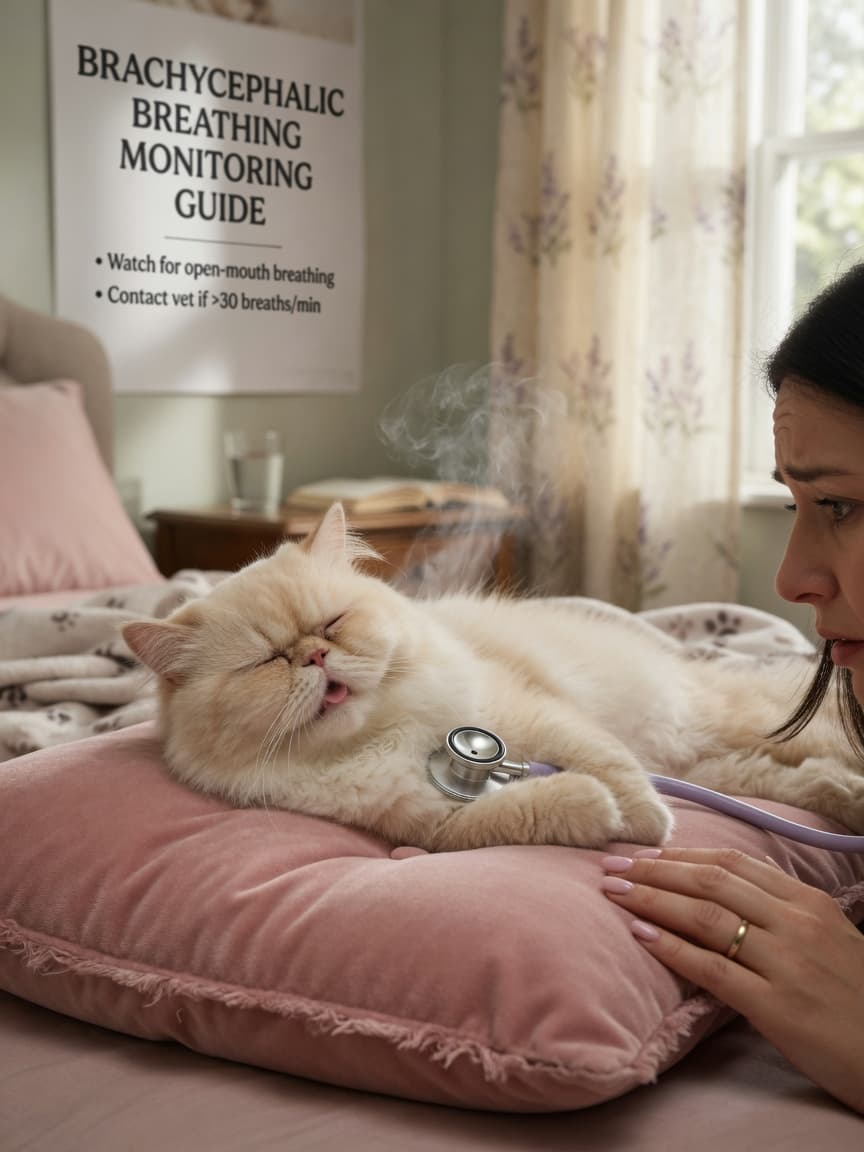
Is It Normal for Cats to Snore?
Many cat owners are charmed by the occasional snuffling or snoring sounds their cat makes during sleep. In some cats, these noises are entirely benign — a matter of anatomy or sleeping position. But snoring in cats can also be the first audible signal of an underlying health problem, particularly one affecting the upper respiratory tract. Knowing the difference matters, because the conditions that cause pathological snoring are often progressive and treatable when caught early.
How Snoring Sounds Are Produced
Snoring occurs when airflow through the upper airway is partially obstructed, creating vibration in the soft tissues of the nose, throat, or pharynx. In a healthy cat, the airway is wide enough for smooth, quiet airflow during both waking and sleep. When something reduces that space — whether anatomy, inflammation, a growth, or accumulated secretions — the resulting turbulence produces sound.
The character of the sound matters clinically. True snoring is typically heard during sleep and stops when the cat is awake and alert. Sounds that persist during waking hours, worsen over time, or are accompanied by other respiratory changes are more likely to signal a problem.
When Snoring Is Simply Anatomy
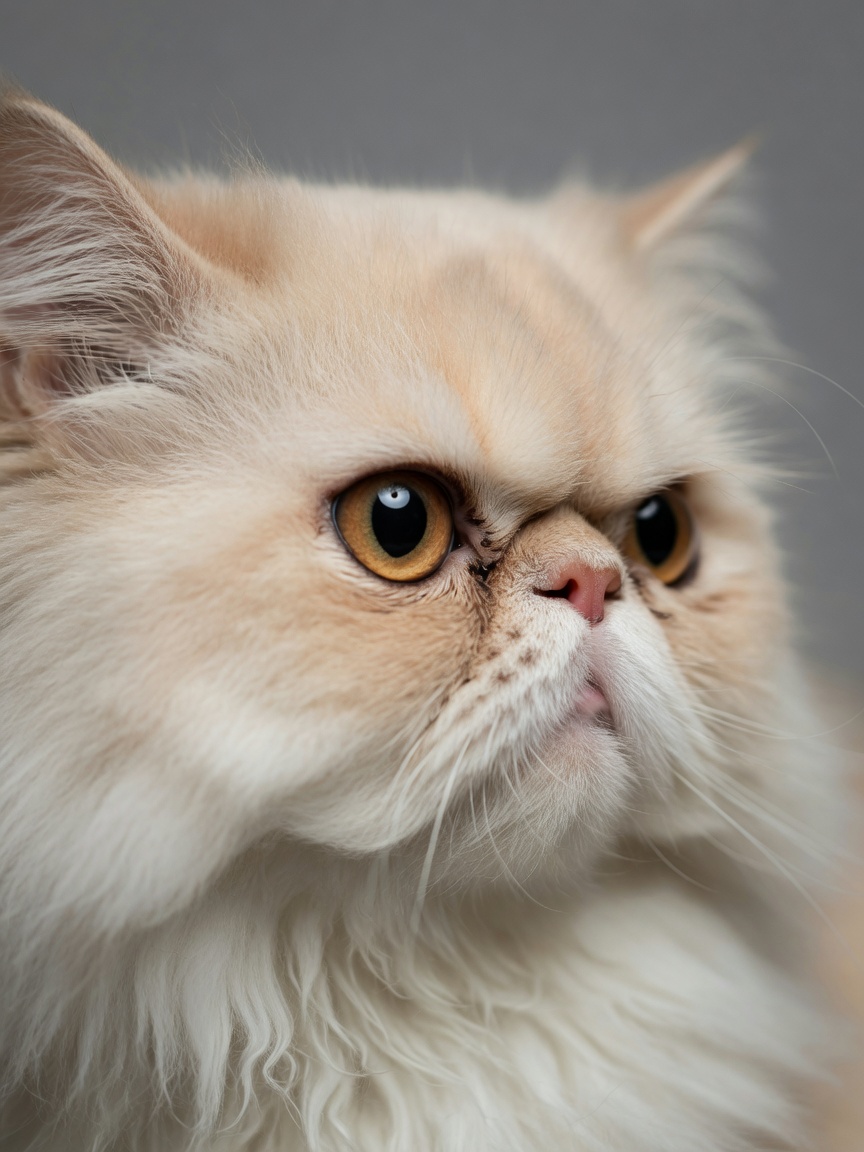
Certain cats snore because of the way they are built. Brachycephalic breeds — those selected for flattened facial features — are the most obvious example. Breeds such as the Persian, Exotic Shorthair, Burmese, and Himalayan have compressed facial anatomy that naturally narrows the airway.
These cats commonly have:
- Stenotic nares — abnormally narrowed nostril openings that restrict air entry
- An elongated soft palate that extends too far into the pharynx, causing vibration and partial obstruction
- A relatively small trachea compared to body size
In many brachycephalic cats, the snoring is lifelong and stable. However, the same structural features also make these cats more vulnerable to respiratory compromise during periods of stress, illness, or warm weather. Obesity significantly worsens brachycephalic airway syndrome by adding soft tissue bulk around the pharynx and reducing respiratory reserve.
Health Conditions That Cause Snoring
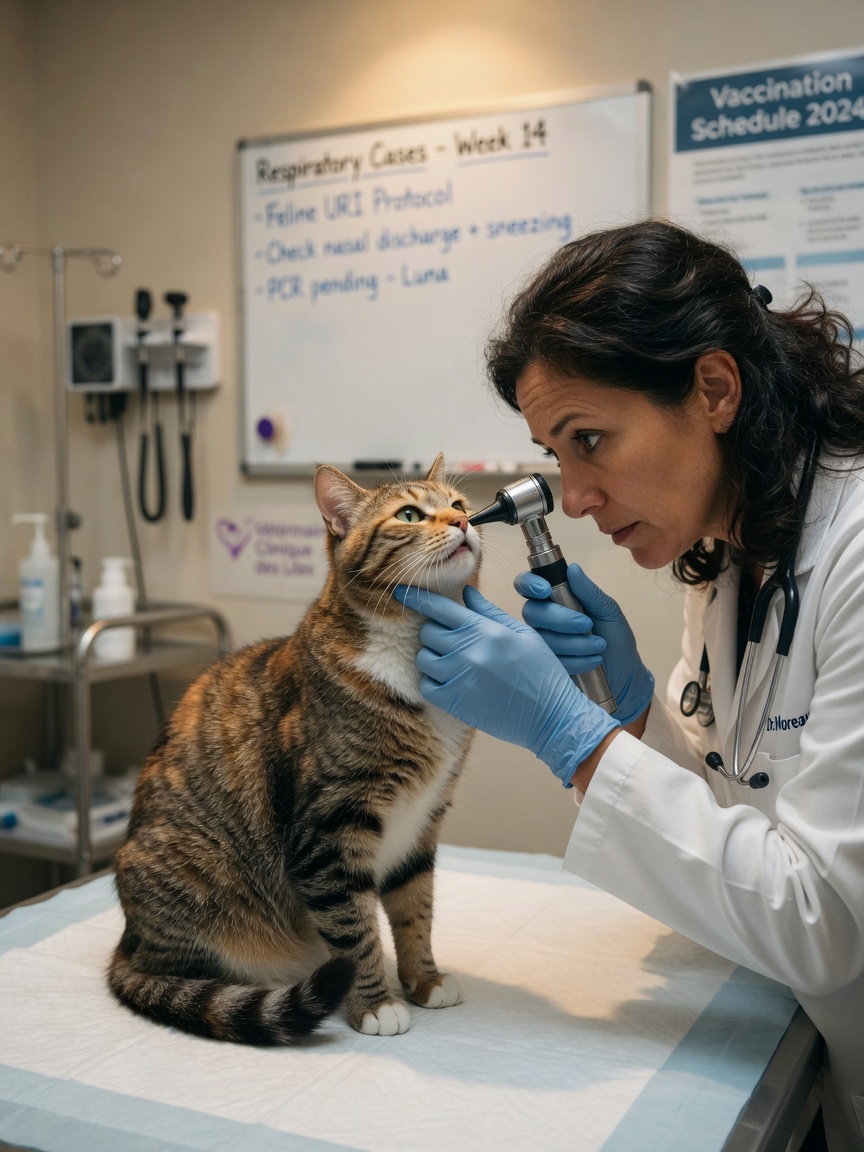
In cats without brachycephalic anatomy, newly developed or worsening snoring warrants investigation. Several conditions can produce upper airway noise during sleep.
Upper Respiratory Infections
Viral infections caused by feline herpesvirus or calicivirus frequently cause nasal congestion, swelling of the mucosal lining, and increased secretions. A cat with an active upper respiratory infection may snore heavily, often alongside sneezing, nasal discharge, and reduced appetite. In most cases, the snoring resolves as the infection clears. In cats with herpesvirus, however, recurrent flare-ups can lead to chronic changes in the nasal passages over time.
Chronic Rhinitis and Sinusitis
Persistent or recurrent nasal inflammation — whether from viral scarring, fungal infection, or immune-mediated disease — can cause ongoing congestion that disrupts sleep. Cats with chronic rhinitis often snore, have intermittent or continuous nasal discharge, and may breathe noisily even when awake.
Nasal Tumours
Neoplasia of the nasal passages is uncommon but important to consider in middle-aged to older cats with progressive unilateral nasal discharge, facial swelling, or worsening respiratory noise. Lymphoma and carcinoma are among the tumour types that can arise in the nasal cavity and sinuses. Snoring that begins in a previously unaffected cat and progresses over weeks to months should prompt imaging.
Nasopharyngeal Polyps
As discussed in a separate article, these benign growths can arise in the middle ear or Eustachian tube and extend into the airway. Their position at the back of the nasal cavity makes them prone to causing stertor — a low, snoring-like sound — which may be most obvious during sleep.
Foreign Bodies
Grass seeds, plant material, and other small foreign bodies can become lodged in the nasal passages. Affected cats typically have sudden-onset sneezing and nasal discharge alongside increased breathing noise. The symptoms are often unilateral.
Dental Disease
This cause is frequently overlooked. The roots of the upper carnassial teeth in cats sit very close to the floor of the nasal passages. Severe periapical abscess or tooth root infection can erode into the nasal cavity, causing inflammation, discharge, and secondary congestion that results in snoring.
When to See a Vet
Not every snoring cat needs an urgent appointment, but certain signs should prompt earlier assessment:
- Snoring that has developed recently in a previously quiet cat
- Progressive worsening of respiratory noise over weeks
- Nasal discharge, particularly if bloody or purulent
- Sneezing, pawing at the nose, or apparent facial discomfort
- Open-mouth breathing or apparent breathing effort during waking hours
- Reduced appetite or weight loss alongside respiratory changes
- Any sign of breathing difficulty in a brachycephalic cat during warm weather or stress
What Diagnosis Might Involve
A vet assessing a cat for snoring will begin with a full physical examination, including careful evaluation of the nose, mouth, and throat. Depending on findings, further investigations may include skull or chest radiographs, rhinoscopy (direct endoscopic examination of the nasal passages under anaesthesia), CT imaging, nasal flush for cytology and culture, or dental radiographs.
Identifying the cause accurately is important because the treatments differ significantly — antiviral support for herpesvirus, surgical removal for polyps, antibiotics for bacterial rhinosinusitis, or oncology referral for nasal tumours.
Managing Benign Snoring
For cats whose snoring is anatomical and stable, management focuses on maintaining a healthy weight, ensuring good humidity in the home environment, and monitoring for any change in pattern. Brachycephalic cats with significant airway obstruction may benefit from corrective surgery — such as widening of the nostrils — which can reduce the long-term strain on their respiratory system.
A gently snoring cat sprawled across the sofa is a picture of contentment. But it pays to listen with a little clinical awareness — because the sounds a sleeping cat makes can, on occasion, tell you something important about how they are really doing on the inside.