ForPetsHealthcare
Dogs

Why is My Dog Restless & Acting Weird?

By Julia WrenfieldUpdated August 4, 20263 min read
Evidence-based · Sources checked
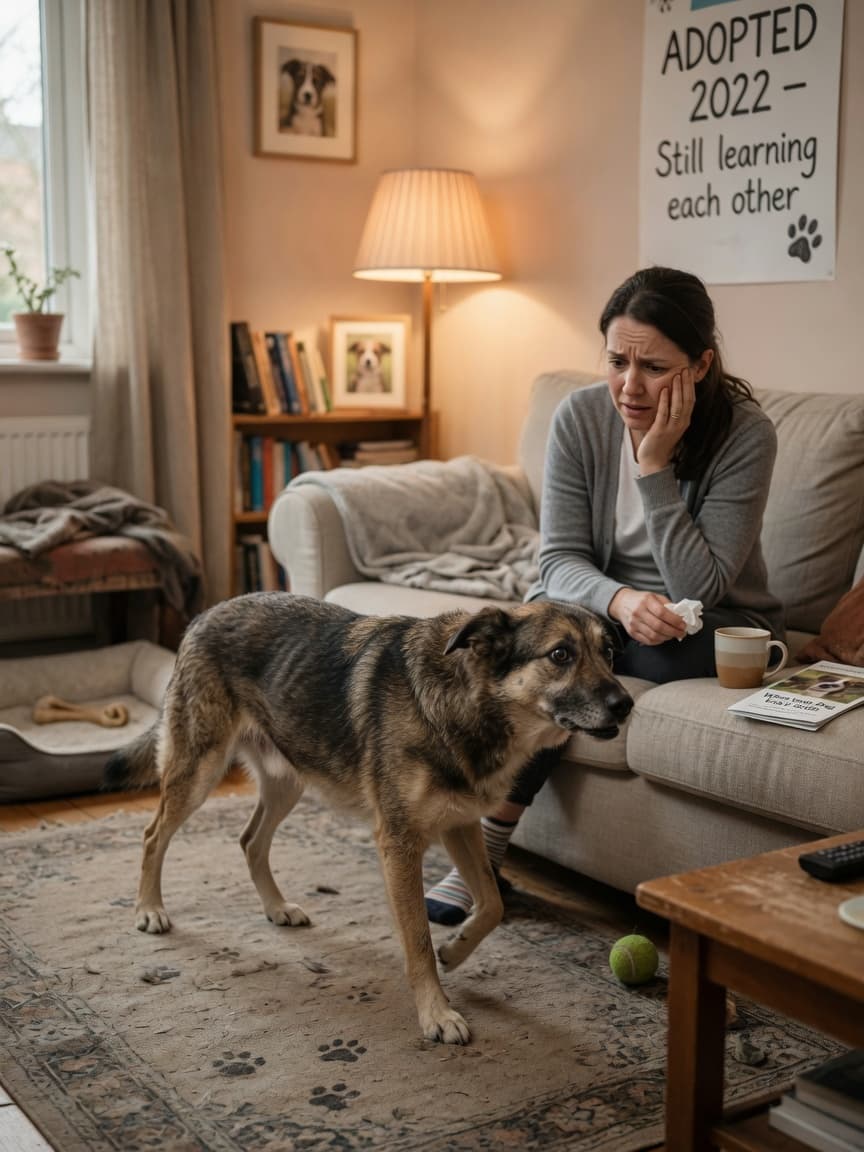
{"en": "Anxious dog pacing and showing restless behavior indoors, displaying signs of stress or discomfort", "es": "Perro ansioso pase\u00e1ndose inquieto en interiores, mostrando signos de estr\u00e9s o malestar", "fr": "Chien anxieux marchant nerveusement \u00e0 l'int\u00e9rieur, montrant des signes de stress ou d'inconfort", "de": "Nerv\u00f6ser Hund l\u00e4uft unruhig umher und zeigt Zeichen von Stress oder Unbehagen", "nl": "Angstige hond loopt onrustig rond binnenshuis en vertoont tekenen van stress of ongemak", "pt": "C\u00e3o ansioso andando inquieto em ambientes fechados, exibindo sinais de estresse ou desconforto", "it": "Cane ansioso che cammina irrequieto in casa, mostrando segni di stress o disagio"}

If your usually calm canine companion has suddenly become a restless, pacing bundle of anxiety, or if they're displaying unusual behaviours that have you concerned, you're not alone. Many dog owners experience this puzzling situation, and the good news is that there are several identifiable reasons behind these changes. Understanding what's causing your dog's odd behaviour is the first step towards helping them feel comfortable and happy again.

Medical Conditions That Cause Restlessness
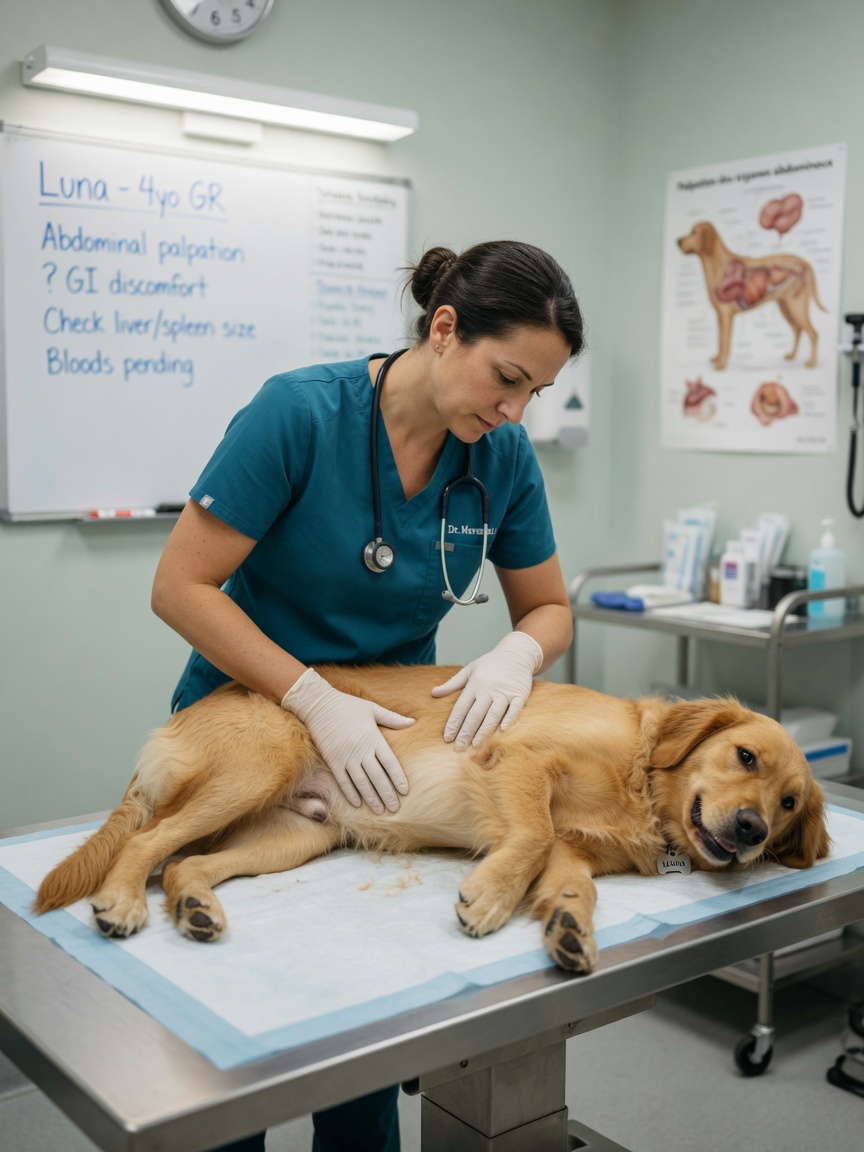
Veterinarian performing physical examination on uncomfortable golden retriever dog

Before assuming behavioural causes, it's crucial to rule out underlying health issues. Restlessness in dogs can indicate genuine discomfort or illness.

  • Pain or discomfort: Arthritis, dental problems, digestive issues, or injuries can make dogs restless as they struggle to find a comfortable position
  • Thyroid disorders: An overactive thyroid (hyperthyroidism) increases metabolism and causes nervousness and constant activity
  • Urinary tract infections: These can cause frequent need to urinate and subsequent restlessness, particularly affecting older dogs
  • Neurological issues: Cognitive dysfunction in senior dogs often manifests as confusion and unusual pacing patterns
  • Hormonal imbalances: Conditions like Cushing's disease can trigger anxiety and hyperactivity

If your dog's behaviour change is sudden and accompanied by other symptoms—such as loss of appetite, vomiting, or letharness—schedule a veterinary appointment promptly.

Environmental and Emotional Triggers

Dogs are sensitive creatures, and environmental changes can trigger noticeable behavioural shifts. Common triggers include:

  • Moving house or rearranging furniture
  • Changes in your routine or work schedule
  • New pets or family members arriving
  • Loud noises, such as fireworks or thunderstorms
  • Separation anxiety when you leave home
  • Sensing your own stress or anxiety

Dogs pick up on our emotional cues remarkably well. If you've been stressed recently, your dog may mirror that tension, resulting in restless behaviour and unusual antics.

Insufficient Exercise and Mental Stimulation
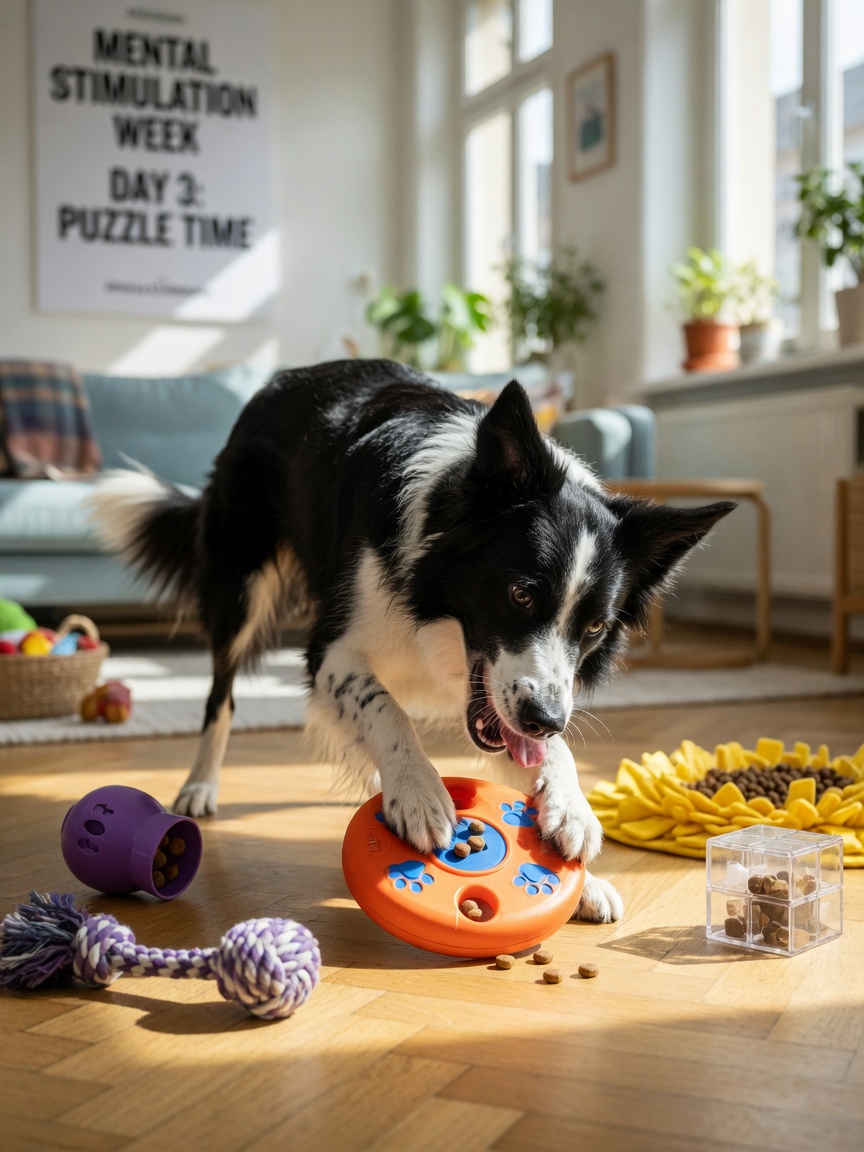
Energetic border collie playing with puzzle toys and enrichment toys indoors

Boredom is a common culprit behind weird dog behaviour. Dogs require regular physical activity and mental engagement to feel content and settled. A dog that isn't adequately exercised may pace, whine, or engage in destructive behaviours.

The recommended exercise varies by breed and age, but most adult dogs need at least 30 minutes to 2 hours of activity daily. Beyond physical exercise, mental stimulation is equally important—puzzle toys, training sessions, and interactive games can prevent restlessness caused by boredom.

Puppies and senior dogs experience restlessness for different reasons. Puppies are naturally energetic and may act "weird" as they explore their world and learn impulse control. Senior dogs, conversely, may become restless due to cognitive dysfunction, discomfort, or sleep disturbances.

Understanding your dog's life stage helps contextualise their behaviour and determine appropriate interventions.

When to Seek Veterinary Advice

Contact your vet if restlessness is accompanied by:

  • Changes in appetite or water consumption
  • Vomiting or diarrhoea
  • Excessive panting or drooling
  • Difficulty moving or apparent pain
  • Trembling or seizure-like activity
  • Behavioural changes lasting more than a few days

Key Takeaways

Restlessness and weird behaviour in dogs warrant investigation rather than dismissal. Start by scheduling a veterinary check-up to eliminate medical causes, then assess your dog's environment, exercise routine, and emotional state. Often, the solution involves a combination of adequate physical activity, mental enrichment, routine consistency, and environmental adjustments. By identifying the root cause, you'll be well-equipped to help your beloved companion return to their happy, settled self.

#why is my dog restless acting weird#dog health#dog nutrition#forpetshealthcare

Sources & further reading

This article is based on peer-reviewed veterinary research and reputable animal-health sources. Explore the underlying science in our Research Library.

Related articles

The 19 Best Animal Shelters in the Netherlands (2026)

the Netherlands's animal shelters, rescue associations and refuges save thousands of dogs, cats and other animals every year, almost always on tiny budgets and volunteer power. To build the most objective ranking possible, we analysed public Google reviews across more than 56 registered animal-prote…

Read more →

The 25 Best Animal Shelters in Italy (2026)

Italy's animal shelters, rescue associations and refuges save thousands of dogs, cats and other animals every year, almost always on tiny budgets and volunteer power. To build the most objective ranking possible, we analysed public Google reviews across more than 121 registered animal-protection org…

Read more →

The 48 Best Animal Shelters in Germany (2026)

Germany's animal shelters, rescue associations and refuges save thousands of dogs, cats and other animals every year, almost always on tiny budgets and volunteer power. To build the most objective ranking possible, we analysed public Google reviews across more than 152 registered animal-protection o…

Read more →

The 32 Best Animal Shelters in France (2026)

France's animal shelters, rescue associations and refuges save thousands of dogs, cats and other animals every year, almost always on tiny budgets and volunteer power. To build the most objective ranking possible, we analysed public Google reviews across more than 89 registered animal-protection org…

Read more →

The 8 Best Animal Shelters in Portugal (2026)

Portugal's animal shelters, rescue associations and municipal centros de recolha save thousands of dogs, cats and other animals every year, almost always on tiny budgets and volunteer power. To build the most objective ranking possible, we analysed public Google reviews across more than 86 registere…

Read more →

Sphynx Cat Skin care and hygiene: Causes, Signs & Care

Sphynx cats have little to no coat, which means the skin itself takes on jobs that fur normally does — insulation, oil dispersal, and barrier protection — leaving it prone to greasiness, blocked pores, fungal infections, and sunburn. The single most important thing to know is that a Sphynx's skin ne…

Read more →
Disclaimer:This article is for informational purposes only and does not constitute veterinary advice. Always consult a qualified veterinarian for your pet's health concerns.

Free newsletter

Pet health tips, straight to your inbox

Weekly science-backed advice for dog & cat owners. No spam, unsubscribe anytime.