
Going Blind in the Dark First
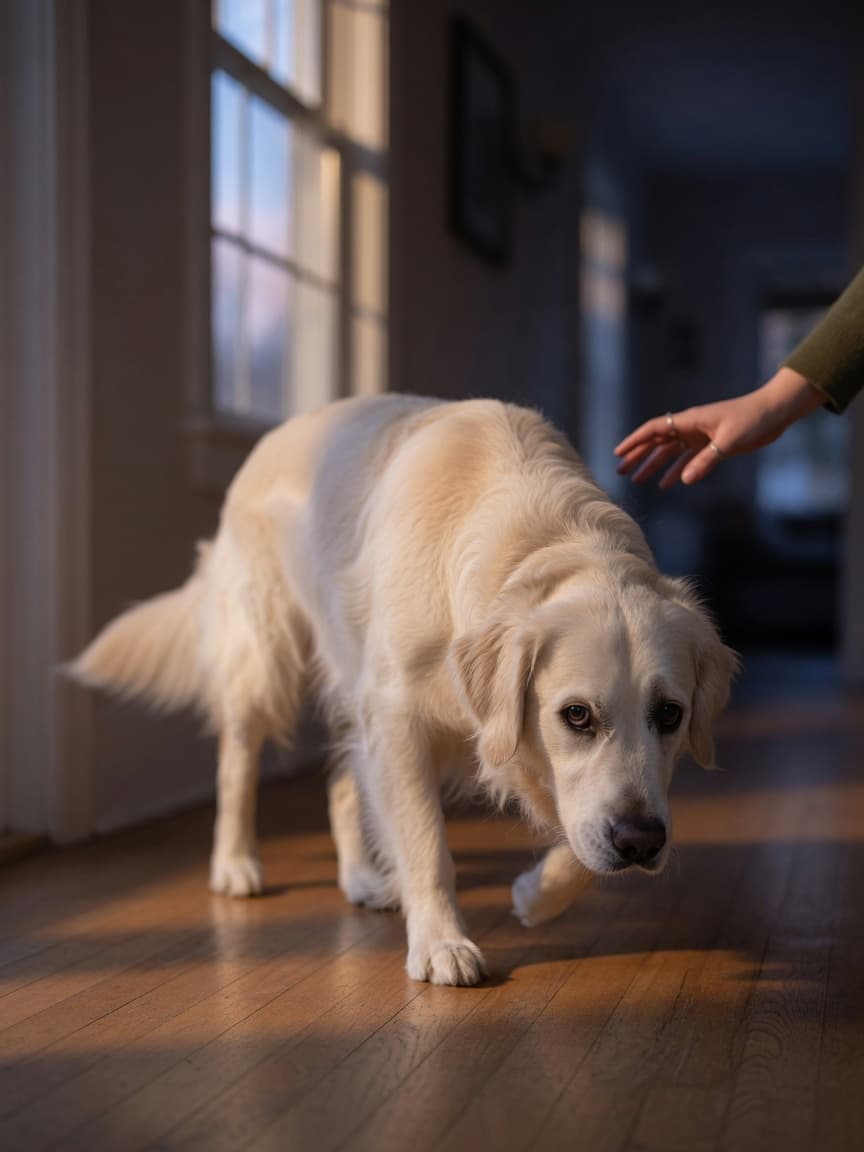
Owners often notice something is wrong when their dog begins bumping into things at dusk, becomes anxious on evening walks, or refuses to enter dimly lit rooms. Night blindness is frequently the first detectable sign of progressive retinal atrophy — a group of inherited degenerative diseases that destroy the photoreceptor cells of the retina and, in most cases, lead to complete blindness. There is currently no cure, but understanding the condition changes how owners can support their dogs and how breeders can reduce its prevalence.
What Happens in Progressive Retinal Atrophy
The retina lines the back of the eye and contains two types of photoreceptor cells: rods, responsible for low-light and peripheral vision, and cones, responsible for colour and detailed central vision. In progressive retinal atrophy, these cells degenerate progressively over months to years. Most forms begin with rod cell failure — hence the night blindness — before cones are also lost, resulting in total blindness. The age of onset and speed of progression vary considerably depending on the specific genetic form and the breed affected.
Which Breeds Are Most at Risk
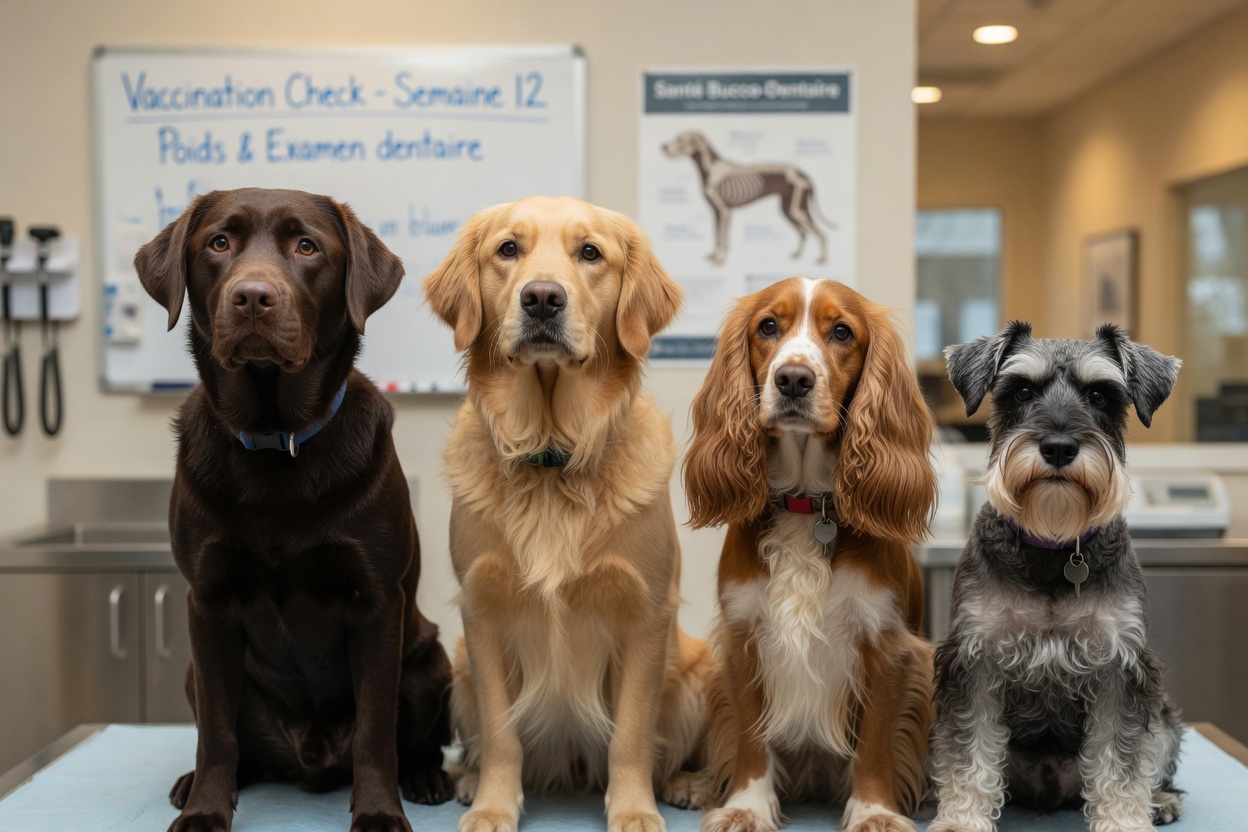
Progressive retinal atrophy has been documented in over 100 dog breeds, but some have significantly elevated prevalence. Labrador Retrievers, Golden Retrievers, Cocker Spaniels, Miniature Schnauzers, Irish Setters, Border Collies, and Tibetan Terriers are among those most commonly affected. Several toy breeds including Miniature Poodles and Toy Poodles carry specific well-characterised mutations. The condition affects both pure breeds and, less commonly, cross-breeds inheriting mutations from affected parent breeds.
The Role of Genetics
Most forms of progressive retinal atrophy are autosomal recessive, meaning a dog must inherit two copies of the defective gene — one from each parent — to develop the disease. Carriers of a single copy are clinically unaffected but can pass the gene to offspring. This is why apparently healthy dogs can produce affected puppies, and why health testing of breeding dogs is so important. Several specific mutations have been identified and validated, enabling reliable DNA testing.
Recognising the Signs
The progression is typically slow enough that dogs adapt remarkably well, which means owners sometimes do not notice changes until vision loss is substantial. Early signs include hesitation in low light, bumping into objects at night or in unfamiliar environments, dilated pupils that reflect light more prominently than usual, and increased clumsiness during evening hours. As the disease progresses, daytime vision deteriorates too. Secondary cataracts are common in later stages and can cause the eyes to appear cloudy or bluish.
How the Condition Is Diagnosed
Veterinary diagnosis begins with a thorough ophthalmic examination. A specialist will typically perform electroretinography, which measures the electrical response of the retina to light stimulation, to confirm reduced or absent photoreceptor function. This is often the definitive diagnostic step before visual loss is clinically apparent. DNA testing can identify whether a dog carries one or two copies of a known mutation, which is especially valuable in breeding programmes. Not all mutations are yet identified, however, so a clear DNA test does not guarantee freedom from all forms of the condition.
Management and Support
There Is No Medical Treatment
At present, no medication, supplement, or surgery can halt or reverse progressive retinal atrophy. Research into gene therapy is ongoing and has shown early promise in experimental settings, but this is not yet clinically available for dogs. Owners should be sceptical of any product claiming to slow or reverse the degeneration.
Helping a Dog Adapt to Blindness
Dogs cope with vision loss far better than many owners anticipate, relying heavily on scent and hearing. Keeping furniture in consistent positions, using textured mats to signal different rooms, introducing verbal cues for obstacles, and avoiding changes to home layout all help tremendously. Scent-based enrichment activities maintain mental stimulation. Many blind dogs continue to enjoy walks, play, and a full quality of life with thoughtful owner support.
Protecting Against Secondary Complications
Secondary cataracts are common and while they do not restore vision, they can occasionally become hypermature and cause inflammation. Your vet should monitor these during routine check-ups. Anxiety can be a challenge for some dogs; speak to your vet if your dog appears distressed by the vision loss, as behavioural support strategies can help significantly.
The Importance of Health Testing in Breeding
For breeds with known mutations, DNA testing before breeding is the single most effective measure available. Breeding a clear dog to a carrier produces no affected offspring. Breed clubs and veterinary ophthalmology registers maintain lists of tested dogs, and many kennel clubs make this information publicly accessible. Prospective puppy buyers should ask to see current eye examination certificates and DNA test results for both parents as a minimum standard.
Key Takeaways
- Progressive retinal atrophy causes progressive, inherited blindness beginning with night vision loss
- Over 100 breeds are affected; Labradors, Golden Retrievers and Cocker Spaniels are among the most commonly tested
- There is currently no treatment that halts or reverses the disease
- DNA testing of breeding dogs is the most effective tool for reducing prevalence in future generations
- Blind dogs adapt well with consistent environments, scent enrichment and patient owner support
- Consult a veterinary ophthalmologist if you notice night blindness or dilated pupils in your dog