
A Disease That Kills Within Days
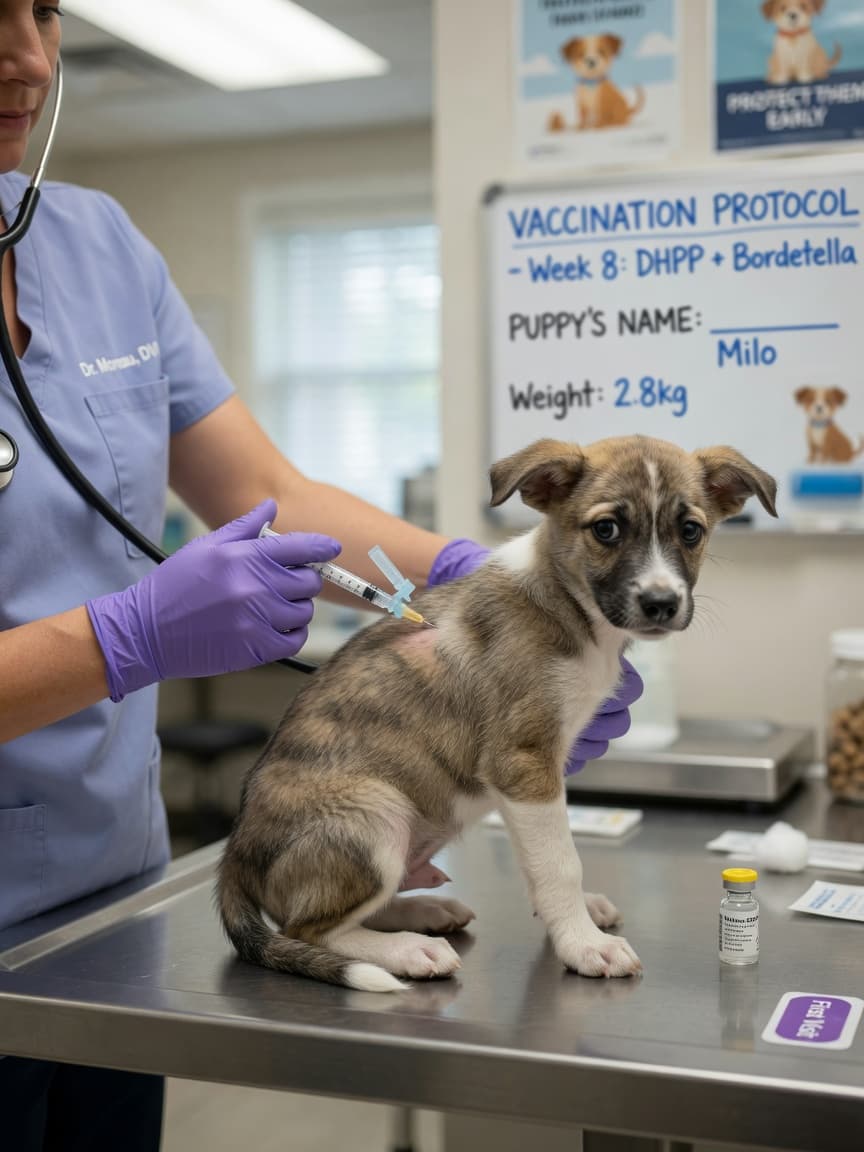
Canine parvovirus kills roughly 91% of infected puppies who receive no treatment. Even with intensive veterinary care, survival rates in severe cases hover around 70–80%. For a disease that is almost entirely preventable through vaccination, those numbers are sobering. Understanding what this virus actually does to a dog's body explains why speed — both in prevention and treatment — is everything.
What Parvovirus Is and How It Spreads
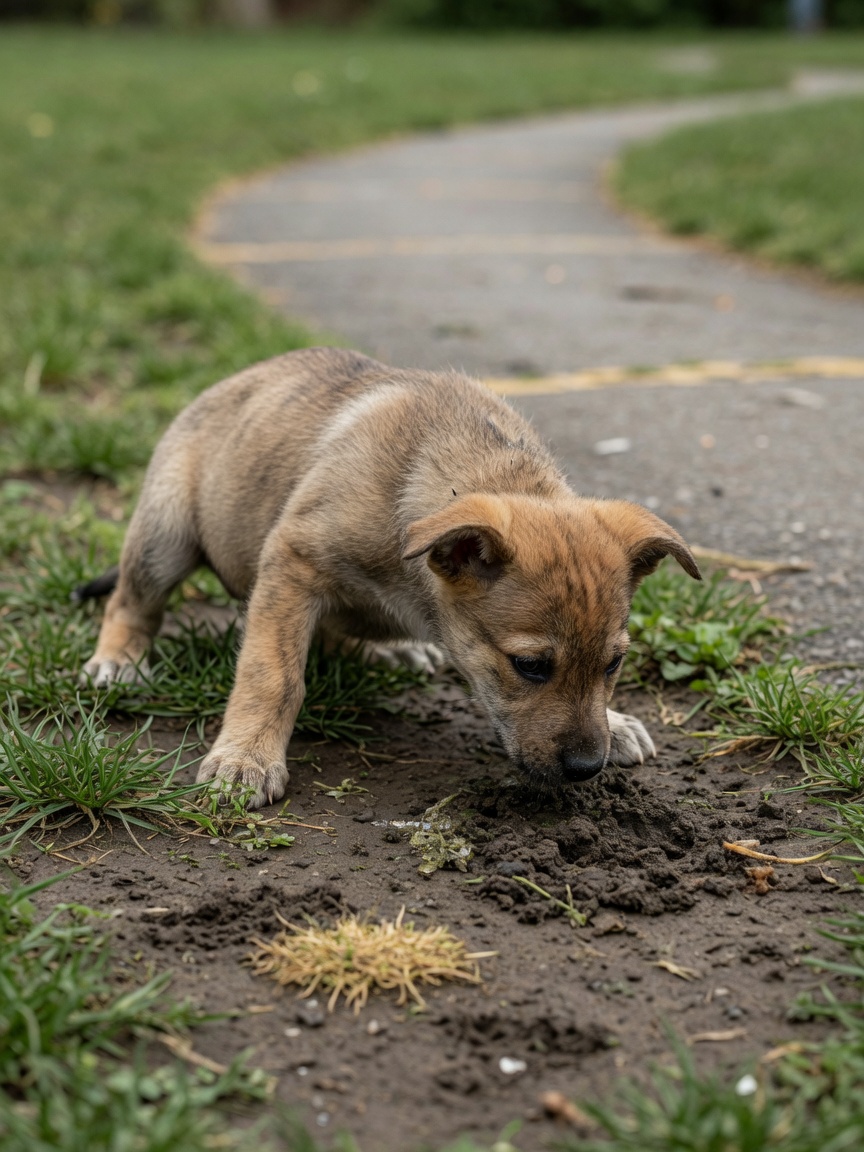
Canine parvovirus type 2 (CPV-2) is a highly stable, non-enveloped DNA virus. That stability is part of what makes it so dangerous: the virus can survive in soil and on surfaces for months to years, resisting most common household disinfectants. Bleach at appropriate dilutions is one of the few agents that reliably inactivates it.
Transmission occurs through contact with infected faeces, contaminated environments, or objects such as food bowls, leads, and clothing. A dog does not need direct contact with a sick animal. Walking through a park where an infected dog defecated weeks earlier is sufficient exposure for an unprotected puppy.
What the Virus Does Inside the Body
Once ingested or inhaled, CPV-2 travels to the lymph nodes of the throat, where it begins replicating rapidly. Within two to four days it enters the bloodstream — a phase called viraemia — and targets tissues with high rates of cell division. This is why puppies are so vulnerable: their cells divide at a much faster rate than in adult dogs.
Intestinal Destruction
The virus attacks the intestinal crypts — the stem cells lining the gut wall that continuously replenish the intestinal surface. As these cells are destroyed, the gut lining collapses. Without an intact mucosal barrier, bacteria from the intestine leak into the bloodstream, causing secondary sepsis. Fluid and protein pour out into the gut lumen, leading to the characteristic profuse, often bloody diarrhoea and vomiting. The resulting dehydration and electrolyte imbalance can be fatal within 48 to 72 hours.
Bone Marrow Suppression
Simultaneously, the virus attacks the bone marrow, suppressing white blood cell production. The immune system collapses at exactly the moment it is needed most. Neutropenia — a critically low neutrophil count — leaves the puppy unable to fight the bacterial invasion that follows intestinal damage. This double assault on the gut and the immune system is what makes parvovirus so lethal.
Cardiac Form in Very Young Puppies
In puppies infected in utero or in the first few weeks of life, a cardiac form of the disease can occur. The virus infects heart muscle cells, leading to myocarditis and sudden death or heart failure in apparently healthy-looking pups. This form is now rare in countries with widespread vaccination but remains a risk where maternal immunity is absent.
Why Unvaccinated Puppies Are Particularly at Risk
Puppies receive maternal antibodies through their mother's colostrum in the first hours of life. These antibodies provide temporary protection, but they also interfere with vaccination — a window known as the maternally derived antibody (MDA) interference period. As maternal antibodies wane — typically between six and sixteen weeks — there is a gap where the puppy has insufficient protection from the mother but may not yet have mounted a full immune response to vaccination.
This is why primary vaccination courses require multiple doses given three to four weeks apart, with a final dose at or after 16 weeks of age. Missing a dose or finishing the course too early leaves a puppy vulnerable during this critical window. Until the course is complete, contact with unvaccinated dogs or high-risk environments should be minimised.
Recognising the Signs and Why Time Matters
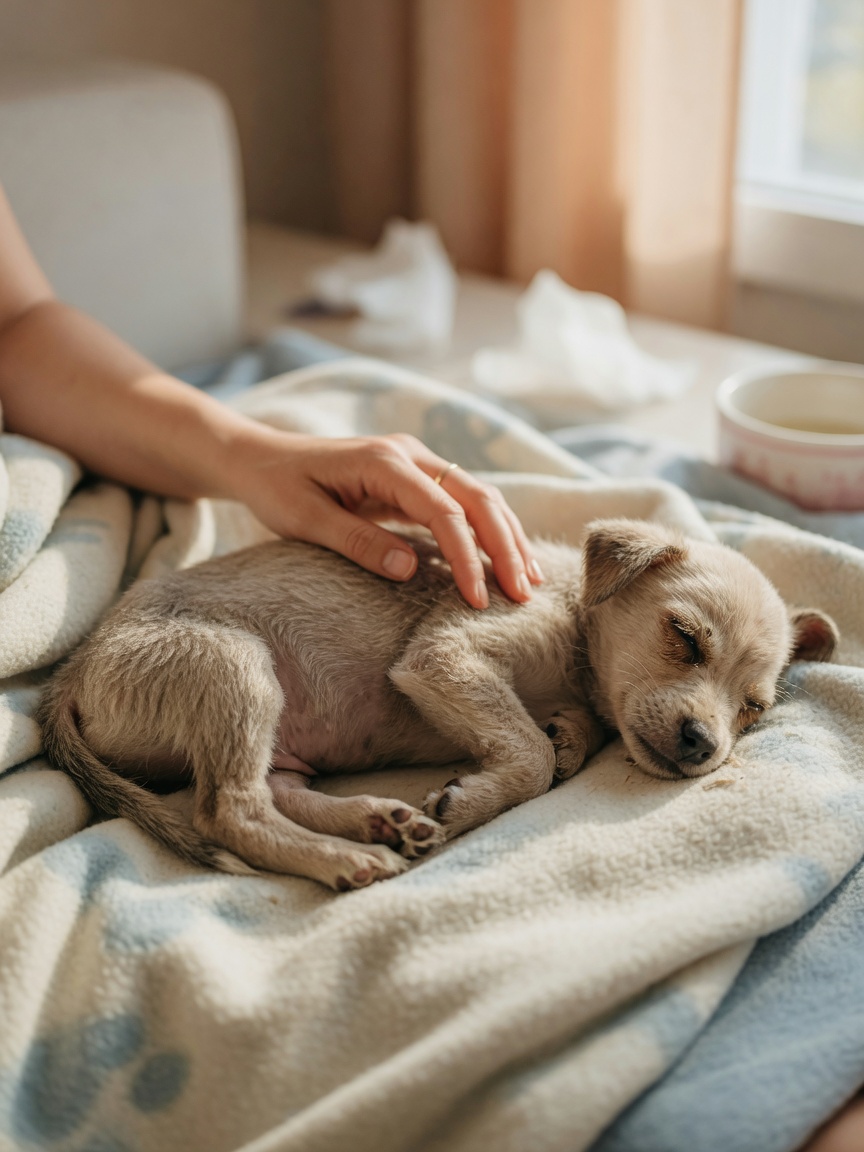
The incubation period for parvovirus is typically three to seven days. Initial signs include lethargy, loss of appetite and fever, followed rapidly by vomiting and diarrhoea that may contain blood. The smell is distinctive and often described as particularly foul. Puppies deteriorate quickly; what looks like mild illness on a Tuesday evening can be life-threatening by Wednesday morning.
If your puppy shows any of these signs, contact your vet immediately. Mention the possibility of parvovirus so the practice can take appropriate isolation precautions — the virus spreads readily within veterinary waiting rooms.
Treatment: Supportive, Not Curative
There is no antiviral drug that eliminates parvovirus. Treatment is entirely supportive and aims to keep the puppy alive while their immune system clears the infection. This typically involves intravenous fluid therapy to correct dehydration, antiemetics to control vomiting, antibiotics to manage secondary bacterial infection, and nutritional support. In severe cases, plasma or whole blood transfusions may be needed to replace protein losses.
Hospitalisation is usually required for several days, and costs can be substantial. Prevention through vaccination is considerably less expensive in every sense.
Prevention: The Only Reliable Strategy
Vaccination against parvovirus is one of the core recommendations for all dogs globally. The standard puppy course begins at six to eight weeks, with boosters at ten to twelve weeks and again at fourteen to sixteen weeks. A booster is given at twelve months, after which most guidelines recommend triennial boosters for the parvovirus component in adult dogs, though your vet can advise on titre testing as an alternative to routine boosters in some cases.
Parvovirus does not respect postcodes. Even dogs that never visit parks or mix with unknown dogs can be exposed through contaminated ground or objects brought into the home. Vaccination is the single most effective action any owner can take.
Key Points for Owners
- Complete the full primary vaccination course, with the final dose at or after 16 weeks
- Avoid high-risk environments — dog parks, pet shops, kennels — until two weeks after the final puppy dose
- Do not delay if a puppy shows lethargy, vomiting or diarrhoea — contact your vet the same day
- Disinfect with diluted bleach if parvovirus has been present in your home or garden
- Keep adult dog boosters up to date; speak to your vet about titre testing if you prefer not to vaccinate routinely
Consult your vet for a vaccination schedule tailored to your puppy's age, breed and individual risk factors. Parvovirus is devastating but preventable — the decision to vaccinate is one of the most important you will make as an owner.