
When a Nosebleed Is More Than It Seems
A single episode of bleeding from a dog's nose is not uncommon and can have many innocent causes. But when nosebleeds recur, appear on only one side, are accompanied by a progressive nasal discharge or visible facial changes, the possibility of a nasal tumour moves firmly onto the list of concerns. Nasal tumours in dogs are uncommon in absolute terms but are the most frequently diagnosed nasal disease in middle-aged to older dogs, and they carry a serious prognosis that owners deserve to understand clearly and honestly.
Types of Nasal Tumour
The overwhelming majority — approximately 60 to 80 per cent — of canine nasal tumours are carcinomas, most often adenocarcinoma arising from the glandular epithelium lining the nasal passages. Squamous cell carcinoma and undifferentiated carcinoma are also seen. The remaining cases are sarcomas, including fibrosarcoma, chondrosarcoma, and osteosarcoma arising from the structural tissues of the nasal cavity. Lymphoma occasionally presents as a nasal mass and is notable because it carries a considerably better prognosis than other tumour types with appropriate treatment. Rarely, benign polyps or other non-malignant lesions can mimic nasal tumour on initial presentation, which underlines the importance of histopathological diagnosis rather than clinical diagnosis alone.
Which Dogs Are Affected
Nasal tumours occur predominantly in medium to large breed dogs and are most commonly diagnosed in dogs over seven years of age. Dolichocephalic breeds — those with long, narrow snouts such as Collies, German Shepherd Dogs, and Dachshunds — appear to be at higher risk, possibly because their larger nasal surface area provides a greater area of mucosa at risk from inhaled carcinogens. There is some evidence linking chronic exposure to tobacco smoke or urban air pollutants to increased risk, consistent with the carcinogen-surface-area hypothesis.
Recognising the Warning Signs
Nasal Discharge
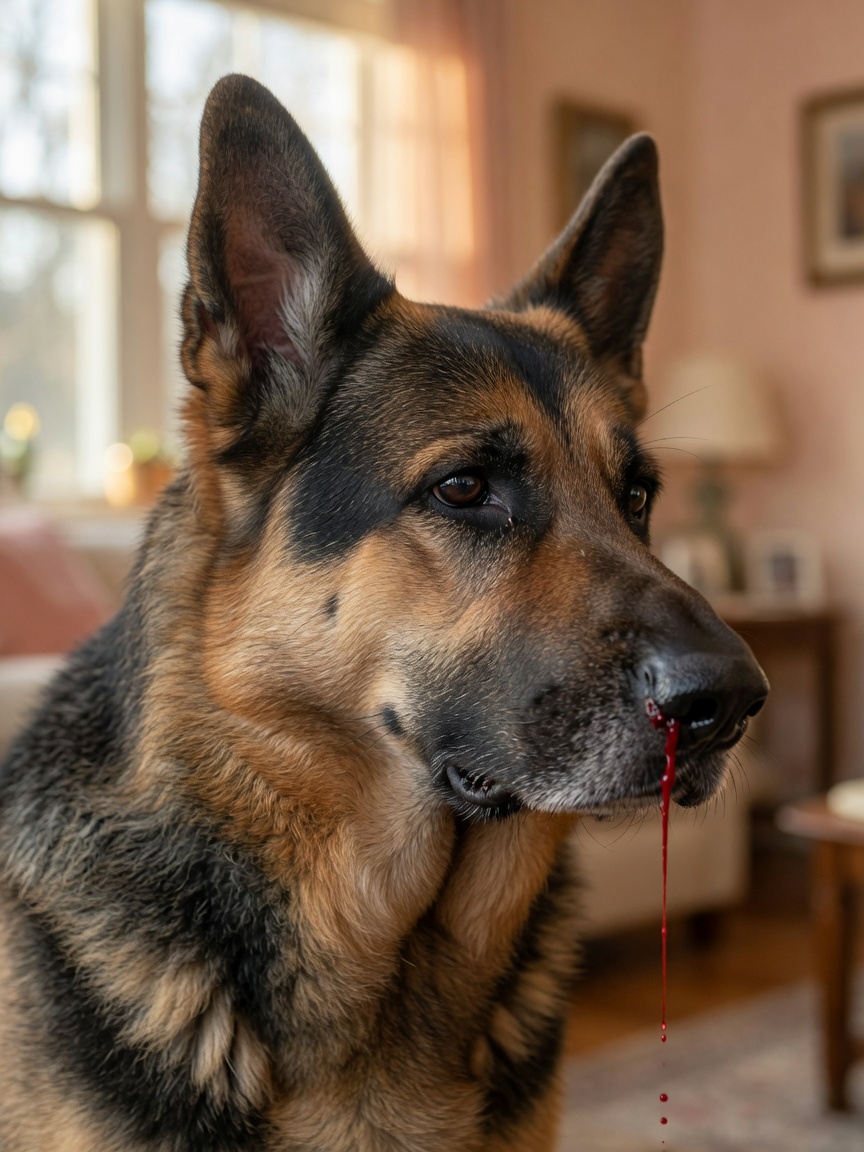
Unilateral nasal discharge — coming from one nostril — is one of the earliest and most consistent signs. It may begin as a clear or mucoid discharge but typically becomes mucopurulent (cloudy and thick) or haemorrhagic (bloody) as the disease progresses. The transition from one-sided to two-sided discharge often indicates tumour extension across the nasal septum.
Nosebleeds
Epistaxis (nosebleed) occurs as the tumour erodes blood vessels. Recurrent episodes of bleeding from one nostril in a middle-aged or older dog, without trauma or obvious infection, should be investigated without delay.
Facial Deformity and Eye Changes
As tumours grow they can erode the bones of the nasal cavity, producing visible swelling over the bridge of the nose or around the eye socket. Exophthalmos (protrusion of the eye) may occur if the orbit is involved. These signs indicate locally advanced disease.
Neurological Signs
Extension of the tumour through the cribriform plate into the brain can cause seizures, behavioural changes, or other neurological signs. This represents a grave development.
Diagnosis and Staging
A definitive diagnosis requires tissue sampling for histopathology — nasal discharge cytology and radiographs alone are insufficient. CT scanning is the standard of care for staging nasal tumours, providing detail of the extent of bony destruction, involvement of surrounding structures, and presence of lymph node enlargement. MRI adds complementary information about soft tissue extension and intracranial involvement. Chest radiographs are performed to assess for pulmonary metastasis, though distant spread is less common at initial diagnosis for nasal carcinomas than for some other cancers; local invasion is the primary cause of morbidity and death.
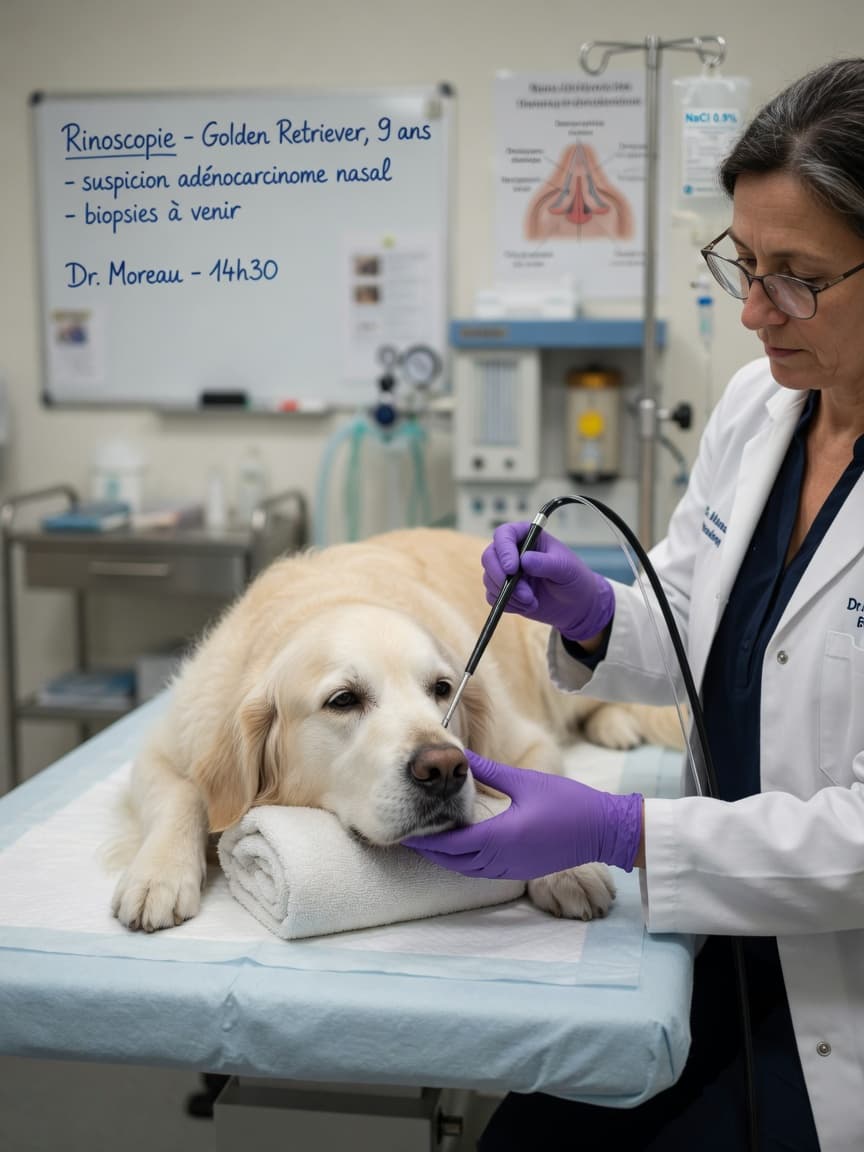
Rhinoscopy allows direct visualisation and guided biopsy. Under no circumstances should biopsy be avoided in favour of empirical treatment — the tumour type significantly influences treatment recommendations and prognosis.
Treatment Options and Realistic Outcomes
Radiation Therapy
Radiation therapy is the primary treatment for most nasal tumours in dogs and offers the best outcomes currently available. Megavoltage radiation, using linear accelerators available at specialist oncology centres, can achieve median survival times of around 12 to 19 months for carcinomas, with some dogs surviving beyond two years. Treatment is typically delivered in multiple fractions over several weeks. Side effects include acute mucositis (inflammation of nasal and oral mucosa), skin reactions, and potential for cataract formation in the eyes within the radiation field. Long-term radiation-associated complications can also occur.
Surgery
Surgical removal of nasal tumours alone — rhinotomy — does not improve survival compared to no treatment in most series, and carries significant morbidity. Surgery is occasionally combined with radiation in specialist centres for specific cases, but it is not a standalone curative option for most nasal malignancies.
Chemotherapy
Chemotherapy has a limited primary role in nasal carcinomas and sarcomas but may be used as adjuvant therapy or for lymphoma, where it is the primary treatment modality and carries a considerably more favourable prognosis.
Palliative Care
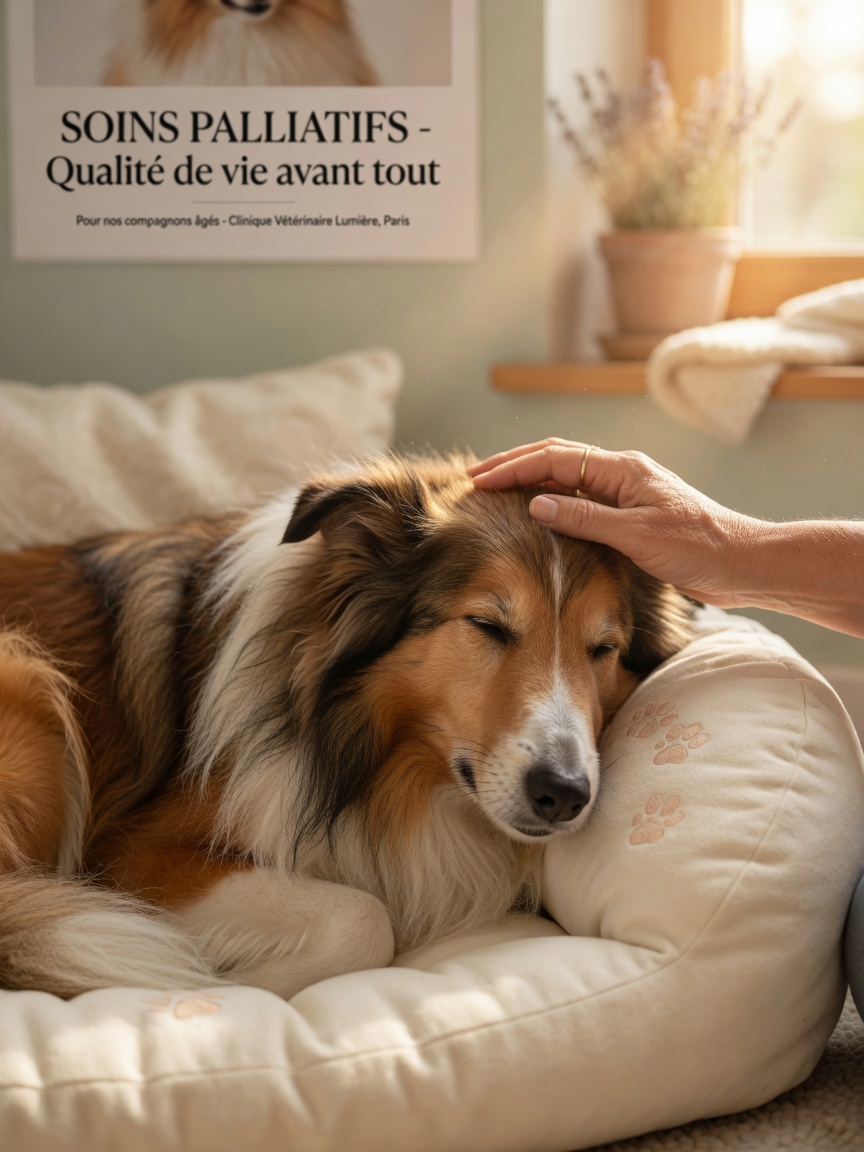
For dogs where curative-intent treatment is not pursued — due to owner preference, financial constraints, or poor patient condition — palliative care focuses on maintaining quality of life. Non-steroidal anti-inflammatory medications provide some pain relief and may modestly slow progression. Palliative radiation (fewer fractions) can reduce bleeding and discharge. Honest conversations with your vet about what to expect are essential.
What Owners Should Know
- Unilateral nasal discharge or recurrent nosebleeds in a dog over seven years of age warrant prompt veterinary assessment — do not wait for the signs to "settle."
- Diagnosis requires CT imaging and biopsy; do not accept treatment decisions made without a confirmed tissue diagnosis.
- Radiation therapy at a specialist centre offers the best current outcomes for most nasal tumours.
- Prognosis is serious but not without hope — some dogs achieve good quality periods of remission with treatment.
- Palliative options can maintain comfort if curative treatment is not chosen.
- Discuss all options frankly with a veterinary oncologist before deciding on a course of action.