
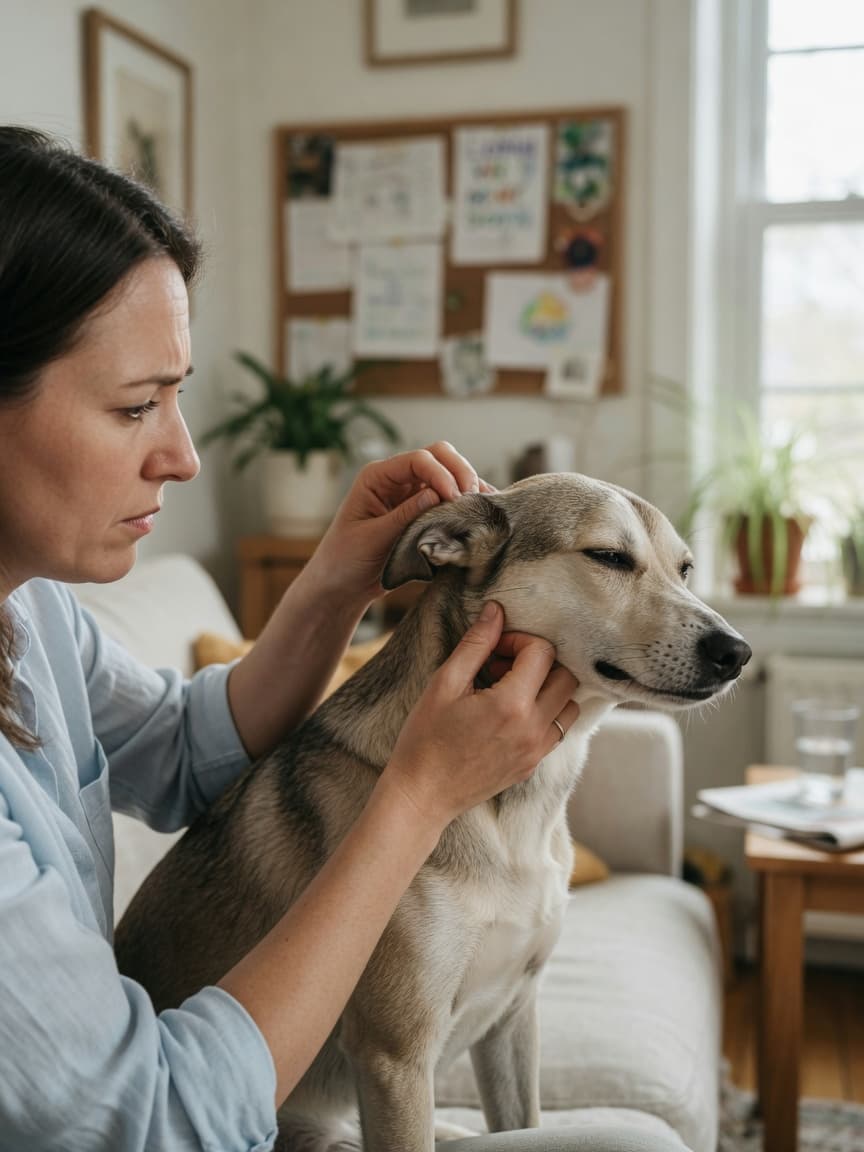
If your dog has been acting unusual—perhaps holding their head low, wincing, or seeming sensitive to touch around the head and neck—you might be wondering if they're experiencing a headache. The truth is, whilst dogs cannot tell us they have a headache in words, veterinary evidence strongly suggests that dogs can and do experience head pain. Understanding the signs, potential causes, and relief strategies can help you support your furry friend when they're uncomfortable.
Do Dogs Actually Get Headaches?
Yes, dogs can experience headaches, though they manifest differently than in humans. Dogs have the same neurological structures responsible for pain perception as we do, including pain-sensitive nerve endings in the meninges (membranes surrounding the brain) and blood vessels in the head. Research in veterinary neurology confirms that conditions causing head pain in humans—such as migraines, tension-type headaches, and cluster headaches—have canine equivalents.
However, diagnosing a headache in dogs is challenging because they cannot communicate their symptoms verbally. Veterinarians must rely on behavioural changes and physical examination findings to identify head pain.
Recognising Signs of Head Pain in Dogs
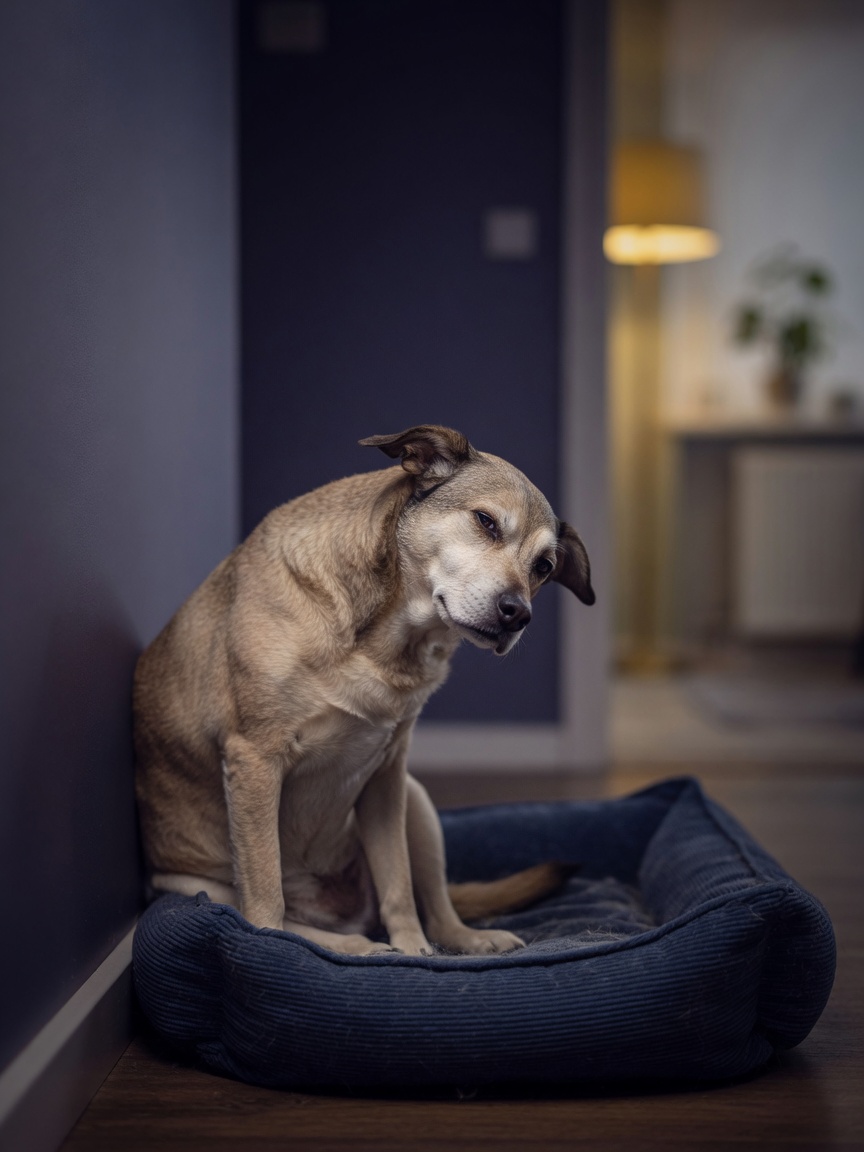
Watch for these common indicators that your dog may be experiencing head pain:
- Head sensitivity: Your dog flinches, pulls away, or becomes irritable when you touch their head, ears, or neck
- Postural changes: Holding the head unusually low or at an awkward angle; reluctance to lift the head
- Vocalisation: Whining, whimpering, or yelping without an obvious external cause
- Behavioural changes: Lethargy, restlessness, pacing, or hiding in dark, quiet spaces
- Sensitivity to light and sound: Avoiding bright areas or becoming startled by normal noises
- Loss of appetite: Reluctance to eat or drink, despite normal interest in food previously
- Facial tension: Tightness around the jaw, squinting, or drooping facial features
- Gait changes: Stumbling, uncoordination, or reluctance to move normally
Common Causes of Canine Head Pain
Several conditions can trigger headaches or head pain in dogs:
- Infections: Ear infections, sinusitis, and meningitis are frequent culprits causing pain that radiates to the head
- Dental disease: Tooth decay, abscesses, or gum infections can cause referred pain felt in the head region
- High blood pressure: Hypertension can cause discomfort in dogs, particularly those with kidney disease or diabetes
- Trauma or injury: Head bumps, falls, or accidents may result in pain or concussion-like symptoms
- Intracranial issues: Brain tumours, hydrocephalus, or inflammation within the skull require veterinary investigation
- Cervical spine problems: Neck pain from disc disease or arthritis can feel like head pain
- Toxin exposure: Certain substances can trigger pain similar to migraines
- Fever or illness: Systemic infections and other illnesses frequently cause associated head discomfort
When to Contact Your Veterinarian
Seek immediate veterinary attention if your dog shows:
- Sudden onset of severe head pain-related behaviours
- Inability to balance or coordination loss
- Neck stiffness or reluctance to move the neck
- Fever combined with head-pain signs
- Discharge from ears or nose
- Persistent symptoms lasting more than 24 hours
- Vision changes or excessive drooling
Relief Strategies and Management
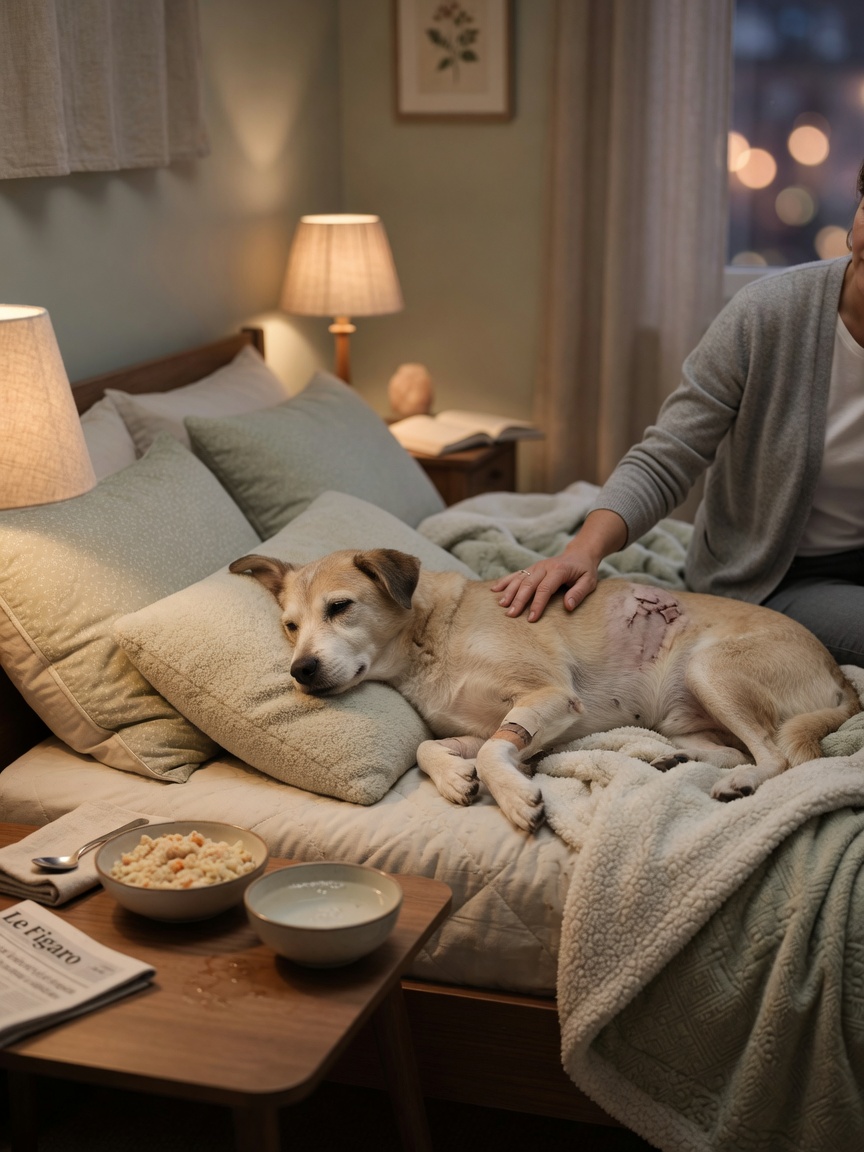
Once your veterinarian has identified the underlying cause, treatment may include:
- Addressing root causes: Treating infections, dental disease, or other identifiable conditions
- Medication: Anti-inflammatories, analgesics, or anti-nausea medications as prescribed
- Environmental modifications: Maintaining quiet, dimly lit spaces; reducing stress and stimulation
- Gentle care: Soft bedding, minimal handling of the head and neck
- Hydration: Ensuring adequate water intake (sometimes small, frequent offerings work better)
- Rest: Limiting exercise and activity until symptoms improve
- Dietary adjustments: Soft, easily digestible foods if eating is difficult
Key Takeaways
Whilst we cannot directly ask our dogs if they have a headache, their behaviour provides valuable clues. Head pain in dogs warrants professional veterinary evaluation to identify and treat the underlying cause. By recognising the signs early and seeking appropriate care, you can help your beloved companion feel better faster. Never assume head-related symptoms will resolve independently—proper diagnosis is essential for your dog's wellbeing.
```