
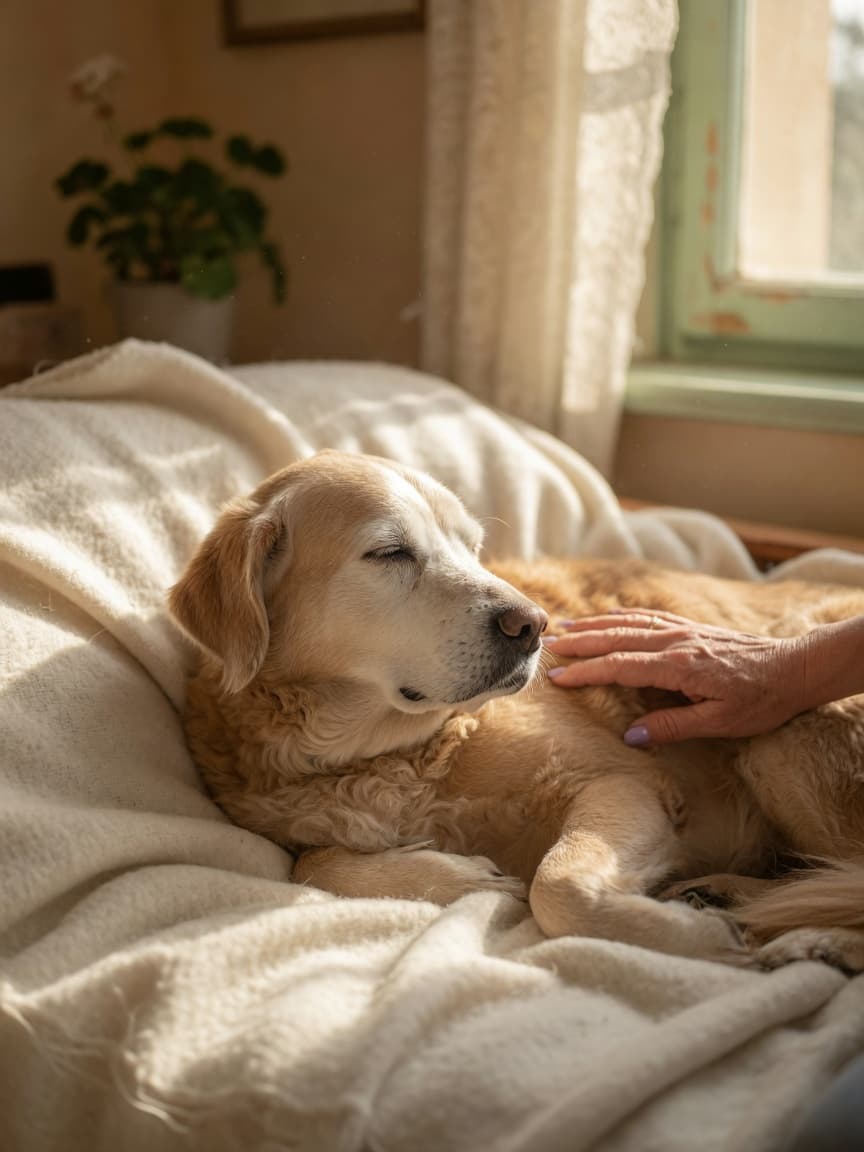
The Hardest Decision Made With Love
If you are reading this, you are likely facing one of the most difficult moments in a pet owner's life. The decision to consider euthanasia for a beloved companion is never easy — and the weight of it, the love behind it, and the anguish that comes with it all speak to just how deeply you care. This guide is written not to push you in any direction, but to give you clear, compassionate information so that whatever you decide, you feel informed, supported, and at peace.
Euthanasia, when it is the right choice, is an act of profound love. It is the choice to spare your pet from further suffering when medicine can no longer offer comfort or quality of life. That is not failure. That is one of the most generous things a person can do for an animal in their care.
Assessing Your Pet's Quality of Life
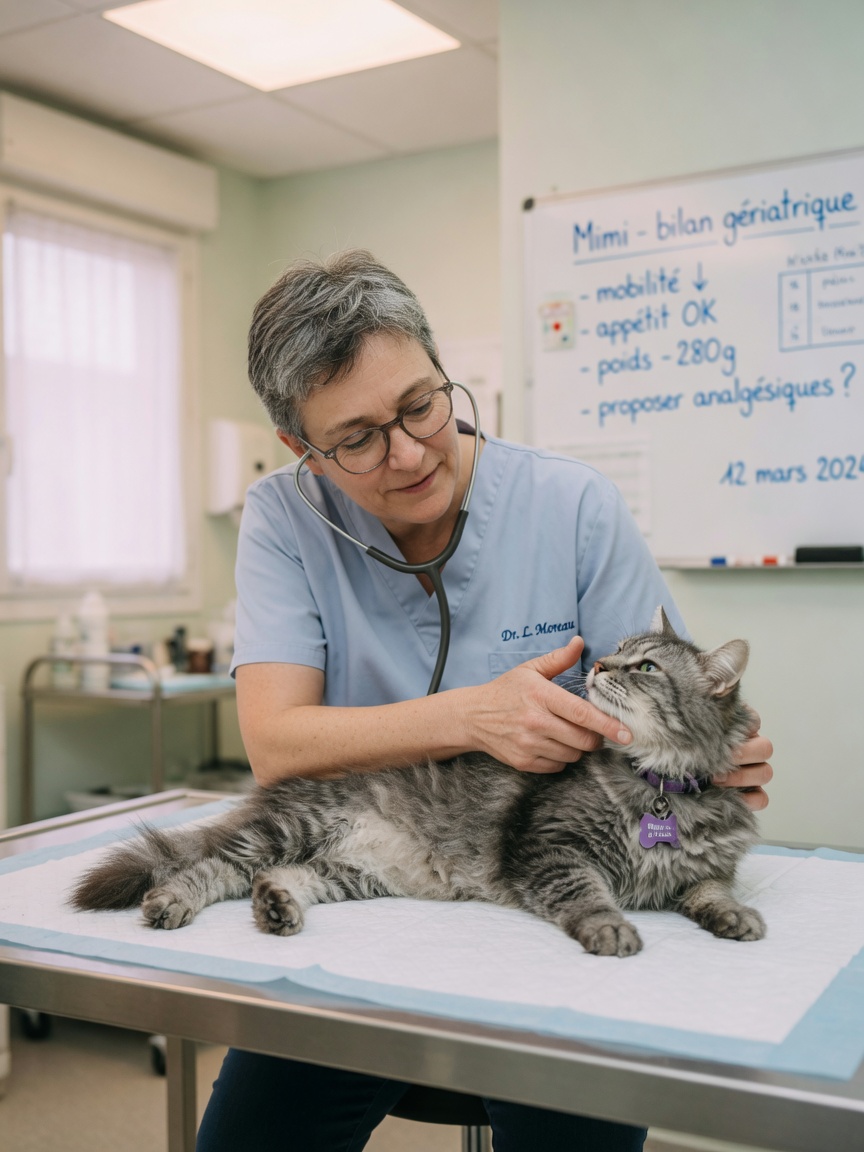
One of the most useful things you can do when facing this decision is to use a structured quality of life framework. These tools help you look at your pet's experience more objectively, on days when emotion makes it hard to see clearly.
The HHHHHMM Scale
Developed by veterinary oncologist Dr Alice Villalobos, the HHHHHMM scale asks you to score your pet across seven areas, each on a scale of 1–10:
- Hurt: Is pain being managed? Can your pet breathe comfortably?
- Hunger: Is your pet eating enough to sustain themselves?
- Hydration: Are they adequately hydrated?
- Hygiene: Can they be kept clean and free from sores or soiling?
- Happiness: Does your pet show interest in life, interaction, or their favourite things?
- Mobility: Can they move enough to satisfy their basic needs and enjoy some activity?
- More good days than bad: Overall, is your pet having more comfortable, engaged days than painful or distressed ones?
A total score above 35 generally suggests acceptable quality of life; below 35 warrants a serious conversation with your vet. This is a guide, not a verdict — use it alongside your own knowledge of your individual pet.
The Five Freedoms
Originally a framework for animal welfare, the Five Freedoms also offer a helpful lens: freedom from pain, injury, and disease; freedom from hunger and thirst; freedom from distress; freedom to express normal behaviour; and freedom from fear. When several of these freedoms can no longer be maintained, that is meaningful information.
Signs Your Pet May Be Suffering
Animals are instinctively inclined to hide pain and weakness. By the time suffering becomes obvious, it is often significant. Signs that your pet may be in distress include:
- Persistent reluctance to move or inability to rise
- Loss of interest in food, water, or interaction
- Uncontrolled pain despite medication
- Laboured or distressed breathing
- Incontinence causing distress or skin problems
- Confusion, disorientation, or apparent loss of awareness
- Crying, whimpering, or vocalising in pain
- Complete withdrawal from things they previously enjoyed
Talking to Your Vet
Your veterinary team is your most important ally in this process. If you are unsure, ask for a frank quality of life conversation — most vets welcome this and can offer their honest clinical perspective while fully respecting that the decision is yours. You can ask directly: "In your professional opinion, is my pet suffering?" A good vet will answer you honestly and compassionately.
Do not feel embarrassed or rushed. Take time to ask questions, bring a trusted person with you, and write things down if it helps. There is no obligation to decide immediately unless your pet is in acute distress.
What Happens During Euthanasia
Many owners feel less anxious when they understand what the procedure involves. Veterinary euthanasia is designed to be peaceful, painless, and dignified.
Most commonly, your vet will place a small catheter in your pet's vein — typically a front leg. You may hold or stroke your pet throughout. A sedative may be given first to ensure your pet is calm and deeply relaxed. The euthanasia solution — a concentrated anaesthetic — is then administered. It works within seconds. Your pet will lose consciousness immediately and peacefully, and their heart will stop shortly after. There is no pain. Many owners describe it as their pet simply falling into a deep, quiet sleep.
You are welcome to stay with your pet throughout — many owners find this deeply important — but there is no obligation. Whatever feels right for you is the right choice.
Home Euthanasia: A Growing Option Across the EU and UK
Home euthanasia — where a licensed vet comes to your home to perform the procedure — is increasingly available across the UK and EU. For many pets and their families, this offers significant comfort: your pet remains in a familiar environment, surrounded by the smells and sounds of home, without the stress of a car journey or clinic setting.
Ask your regular vet whether they offer this service, or whether they can refer you to a specialist home euthanasia provider in your area. In most EU countries, home euthanasia is legally permitted and carried out by fully qualified veterinary professionals.
Making the Decision Without Guilt
Guilt is one of the most common emotions owners experience — both when they feel they acted too soon and when they feel they waited too long. There is rarely a perfect moment. Choosing euthanasia to end suffering is not abandonment. It is not giving up. It is the last, most loving act of care you can offer.
If you made this decision thoughtfully, with your pet's wellbeing at its heart, you made the right decision. Your grief and your guilt are both signs of how much you loved them — but please try not to let guilt overshadow the compassion that guided you.
Aftercare Options
After your pet has passed, your vet or the home euthanasia provider will discuss aftercare options with you. There is no rush to decide in that moment — many providers are happy to allow you time before making arrangements.
- Individual cremation: Your pet is cremated alone, and their ashes are returned to you. Available across the UK and most EU countries through licensed pet cremation services.
- Communal cremation: Your pet is cremated with others. Ashes are not returned individually but are often scattered in a dedicated memorial garden.
- Home burial: Permitted in England on your own property under certain conditions. Regulations differ significantly across EU member states — check with your local authority before proceeding.
Whatever path you choose, you are doing your best for your companion — and that is all any of us can ever do.