
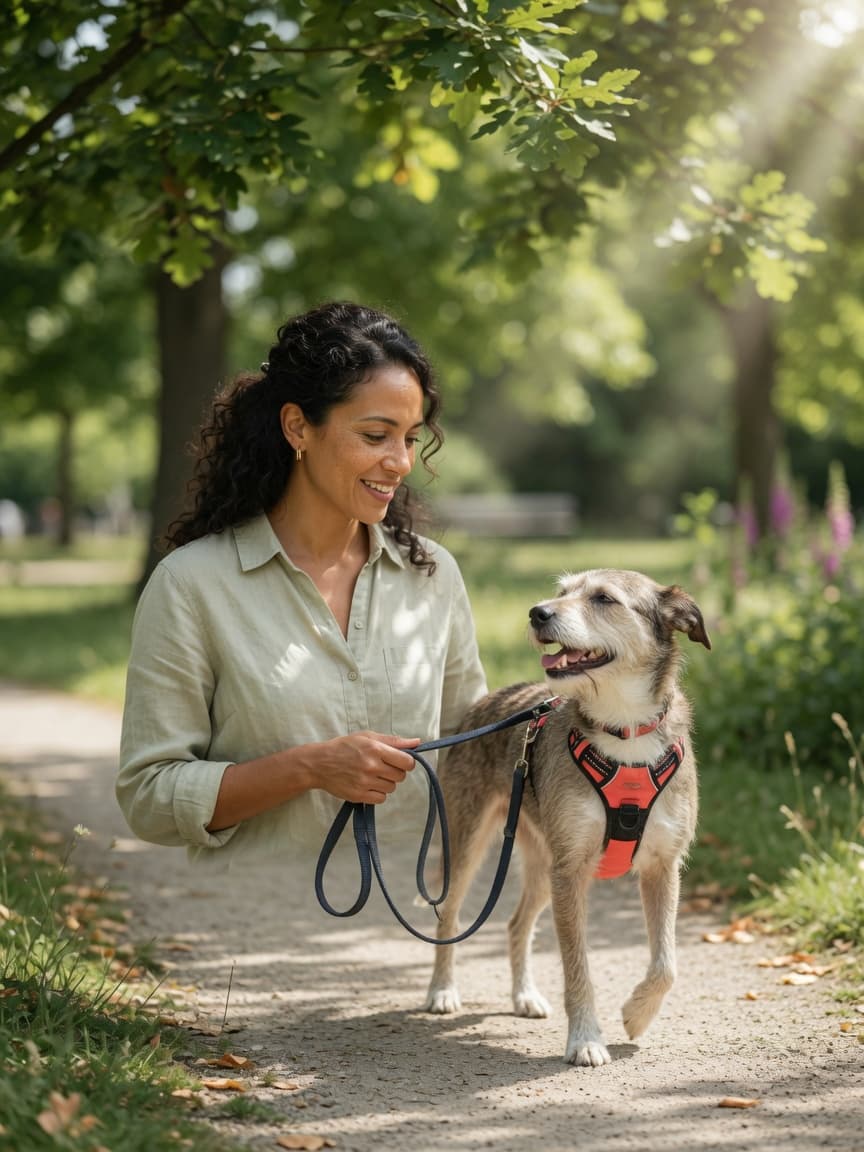
Daily walks are one of the most important aspects of dog ownership, yet many pet parents underestimate their value. Beyond simply getting your dog outdoors for toilet breaks, walks provide essential physical exercise, mental stimulation, and strengthen the bond between you and your furry companion. Whether you have an energetic spaniel, a leisurely senior dog, or anything in between, understanding how to make walks enjoyable and beneficial will transform this daily routine into something both you and your dog look forward to.
Understanding Your Dog's Walking Needs
Different dogs require different amounts of exercise based on age, breed, size, and health status. Puppies and young adult dogs typically need 30 minutes to 2 hours of daily exercise, whilst senior dogs may be content with shorter, gentler strolls of 15-30 minutes. High-energy breeds like Border Collies or Labrador Retrievers need more intensive exercise than toy breeds or brachycephalic dogs (those with flat faces).
Before establishing a walking routine, consult your veterinarian, especially if your dog has health concerns, is overweight, or is elderly. They can recommend appropriate duration and intensity based on your individual dog's needs.
Essential Walking Gear and Setup
Investing in the right equipment makes walks safer and more enjoyable:
- Lead and collar: Choose a sturdy, well-fitted lead and collar or harness. Front-clip harnesses reduce pulling more effectively than traditional collars
- ID tag: Ensure your dog wears an up-to-date ID tag with your contact details
- Appropriate footwear and clothing: Consider the weather—protective paw balm for ice and salt, cooling vests for summer, or waterproof coats for rainy days
- Waste bags: Always carry bags for responsible cleanup
- Water and treats: Bring water for longer walks and some healthy training treats
Walking Techniques and Training Tips
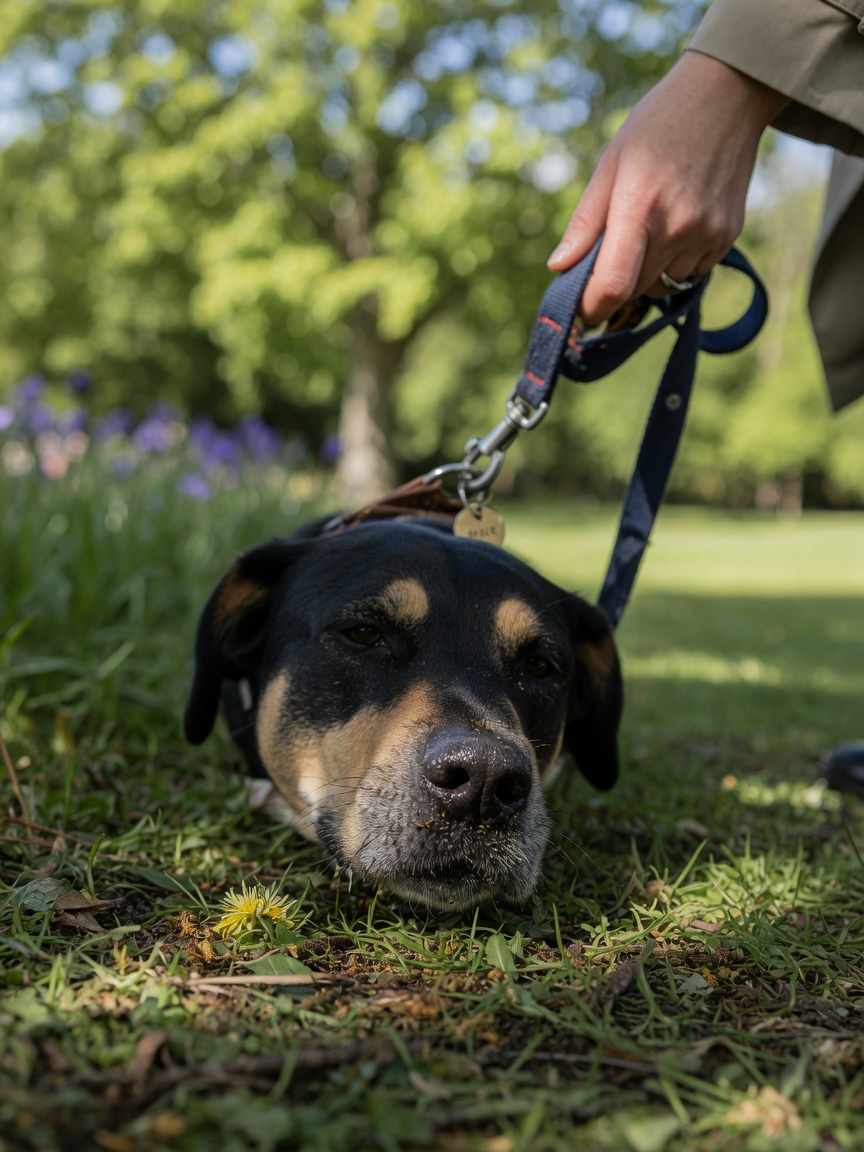
A well-behaved walking companion makes the experience pleasant for everyone. Start with basic loose-lead walking training using positive reinforcement. Reward your dog when the lead is slack and they walk beside you, rather than pulling ahead.
Establish a consistent routine—dogs thrive on predictability. Aim for walks at similar times each day. During walks, allow your dog time to sniff and explore; these sensory experiences are mentally enriching and important for their wellbeing. However, maintain some structure by deciding in advance which routes and areas are appropriate.
Turning Walks Into Games and Adventures
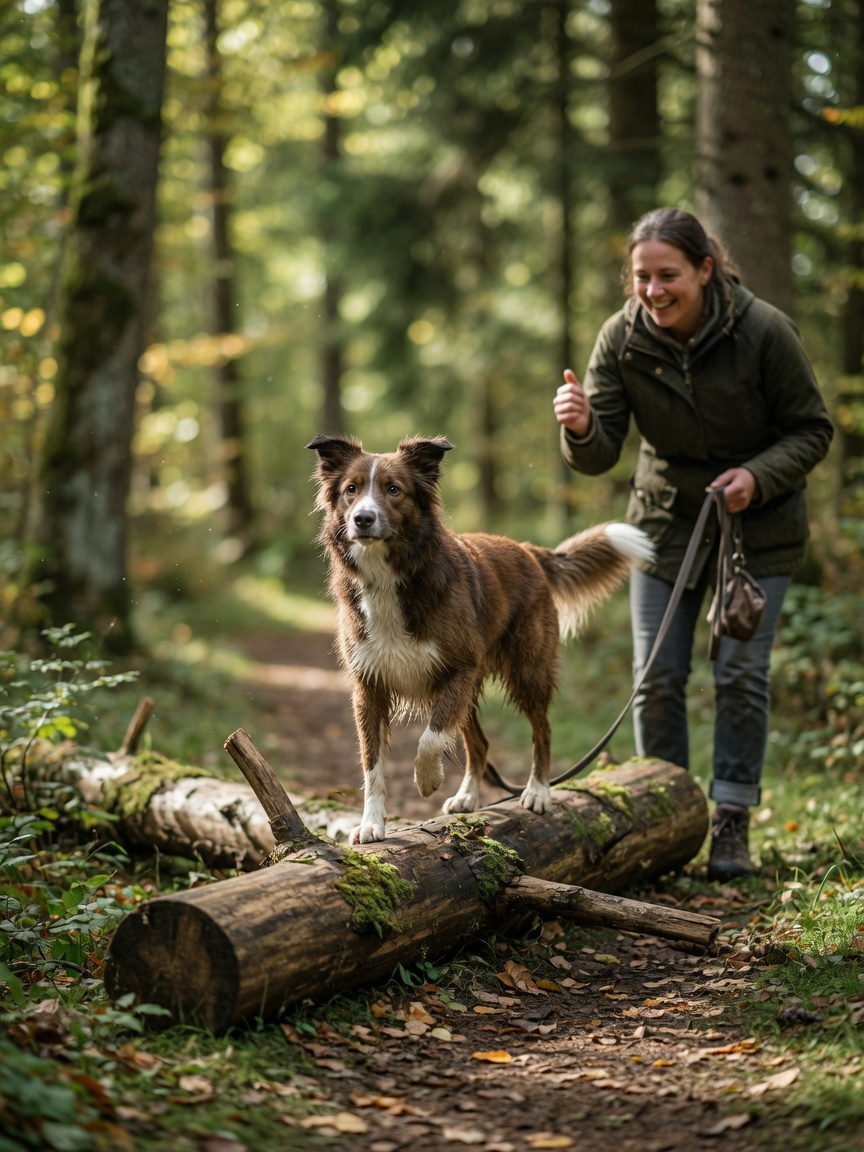
Transform ordinary walks into engaging adventures by introducing games and activities:
- Scent work: Encourage your dog to follow scent trails or sniff out hidden treats along your route
- Recall practice: In safe, enclosed areas, practice calling your dog back to you with rewards
- Obstacle courses: Use natural features like logs, ditches, or slopes to build confidence and fitness
- Socialisation opportunities: Arrange walks with other dogs or visit dog-friendly locations for interaction
- Variation: Change routes regularly to prevent boredom and explore new environments
Safety Considerations
Always prioritise your dog's safety during walks. Keep them on lead in busy areas, avoid extremely hot pavement during summer months, and check local regulations regarding off-lead walking. Be aware of potential hazards such as toxic plants, water safety, and wildlife. Additionally, ensure your dog is up-to-date with vaccinations and parasite prevention before visiting parks or communal areas.
Key Takeaways
Walking your dog is far more than a mundane daily task—it's an opportunity to exercise your pet, provide mental enrichment, and strengthen your relationship. By understanding your dog's individual needs, investing in proper equipment, incorporating training, and keeping walks varied and fun, you'll ensure both you and your companion enjoy this essential activity. Remember, consistency and positive reinforcement are your greatest tools for creating enjoyable walking habits that last a lifetime.