
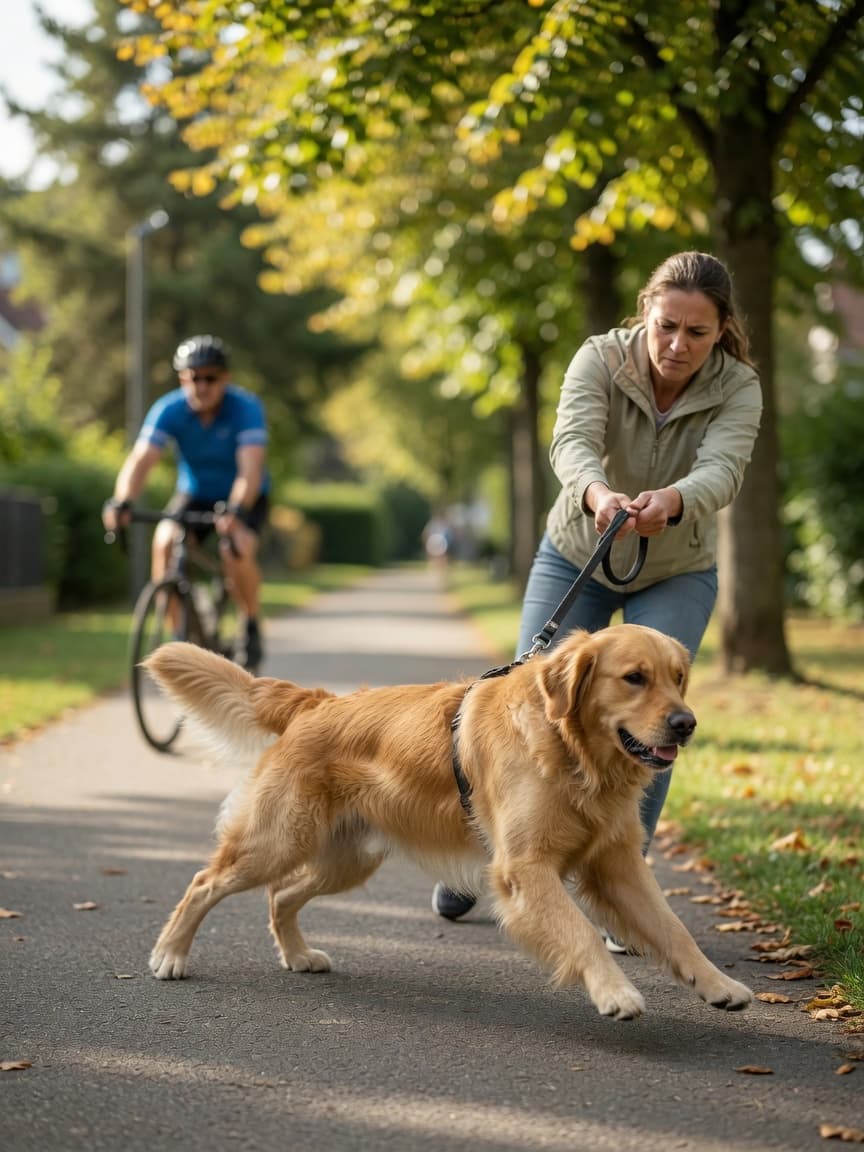
One of the most challenging behavioural issues dog owners face is the seemingly unstoppable urge to chase. Whether it's other animals, cyclists, joggers, or even shadows, a dog's prey drive can make walks stressful and potentially dangerous. The good news is that with patience, consistency, and the right training techniques, you can significantly reduce or eliminate this problematic behaviour. This guide will help you understand why dogs chase and provide practical strategies to keep your furry companion—and others—safe.
Understanding Why Dogs Chase
Before we tackle solutions, it's important to understand the root cause. Chasing is a natural instinct, especially in breeds originally developed for hunting or herding. Terriers, spaniels, and border collies often have particularly strong prey drives. However, any dog can develop a chasing habit, sometimes due to lack of exercise, boredom, or simply because they've learned that chasing gets them attention—even negative attention.
Understanding your dog's motivation is the first step towards addressing the behaviour effectively.
Increase Physical Exercise and Mental Stimulation
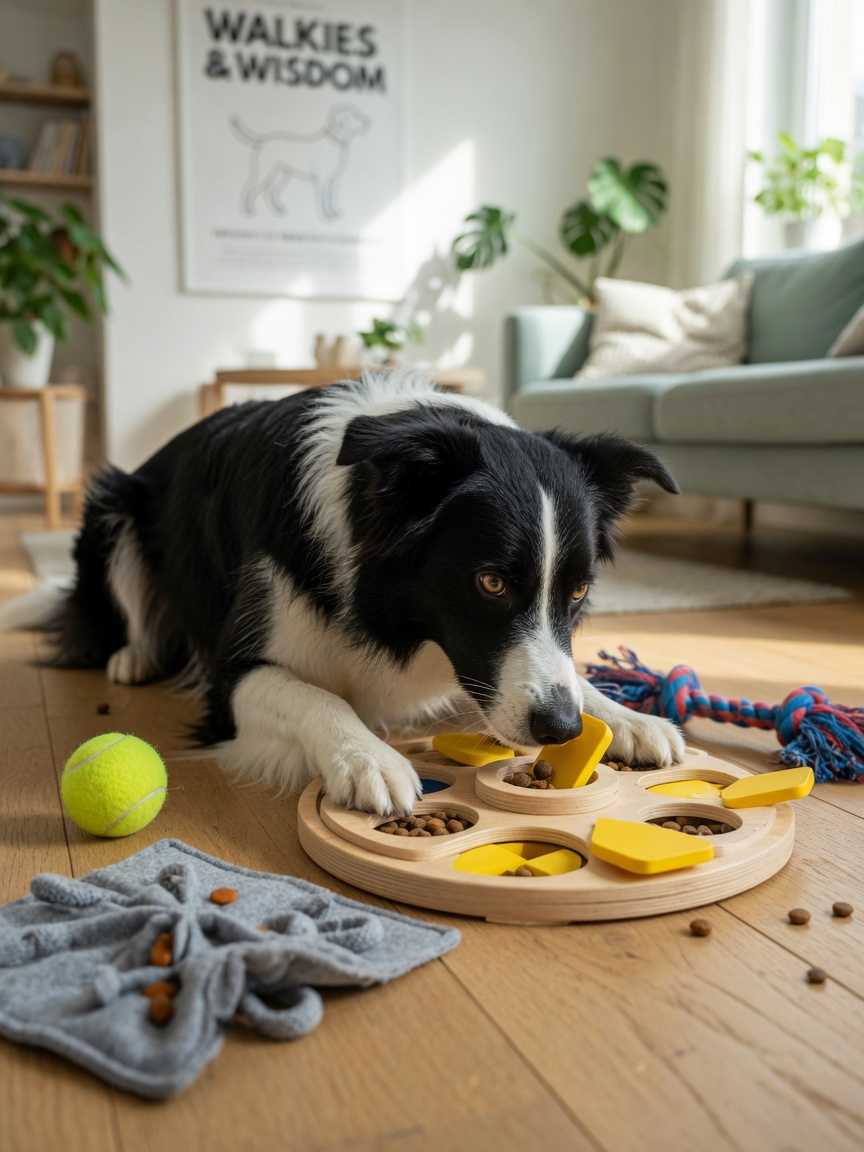
A tired dog is far less likely to chase. Many dogs chase because they have excess energy with nowhere to direct it.
- Daily exercise: Aim for at least 30-60 minutes of active exercise, depending on your dog's age and breed. This might include walks, running, fetch, or swimming
- Mental enrichment: Use puzzle toys, sniff games, and training sessions to engage their brain. A mentally stimulated dog is less likely to fixate on moving objects
- Structured play: Regular playtime with appropriate toys helps redirect the chasing instinct in a controlled manner
Master the "Leave It" Command

Teaching a reliable "leave it" command is crucial for safety. This command tells your dog to ignore something immediately—whether it's a cat, a cyclist, or a squirrel.
- Start indoors with low distractions. Hold a treat in your closed fist
- When your dog stops trying to get the treat and looks away, say "leave it," then immediately reward with a different treat from your other hand
- Gradually increase difficulty by placing treats on the floor, then practising near windows or during walks
- Always reward heavily when your dog successfully ignores the temptation
Consistency is essential—practise several times weekly until the command becomes automatic.
Implement Controlled Exposure and Counterconditioning
Rather than avoiding triggers entirely, you can teach your dog to associate their chase triggers with positive outcomes.
- Start at a safe distance where your dog notices the trigger but doesn't react
- When a cyclist or jogger approaches, immediately reward your dog for calm behaviour with high-value treats
- Gradually decrease the distance as your dog improves
- This teaches your dog that the presence of the trigger means good things happen—not that chasing is rewarding
Use Appropriate Equipment and Management
While training takes time, safety management is essential:
- Use a well-fitting harness rather than a collar for better control during walks
- Consider a long training lead (3-5 metres) in areas with potential triggers
- Keep your dog on the lead near roads, parks with wildlife, or busy cycling paths
- Avoid situations that repeatedly reward chasing behaviour
Key Takeaways
Training your dog not to chase requires a multi-faceted approach combining exercise, training, and management. Start with solid obedience foundations, ensure your dog receives adequate physical and mental stimulation, and be patient—behaviour change takes weeks or months, not days. If your dog's chasing behaviour is severe or you're struggling to make progress, consult a certified professional dog trainer or behaviourist. Remember, you're not fighting against your dog's nature; you're redirecting it towards safer, more appropriate outlets. With dedication and consistency, most dogs can learn to control their chasing impulses.