
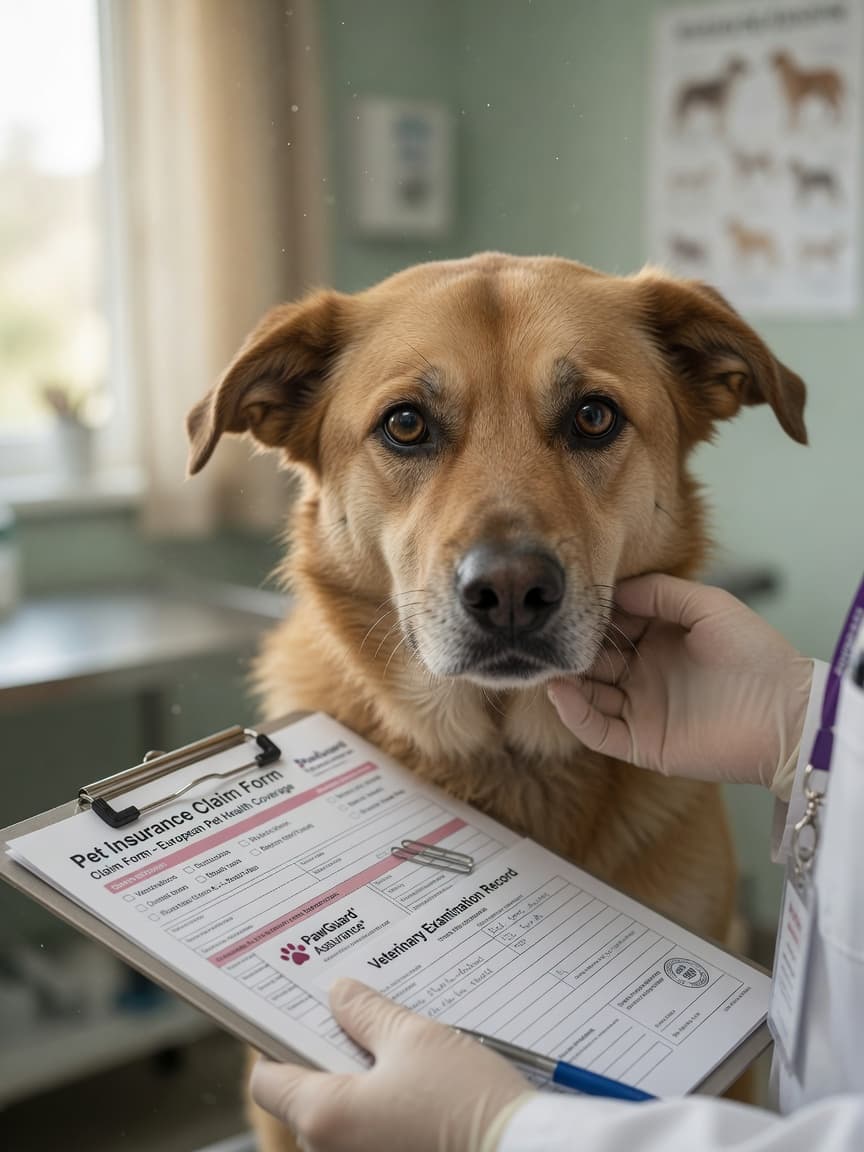
Understanding Your Pet Insurance Policy
Before you can make a claim, it helps to understand what type of policy you have. Pet insurance in the UK is broadly divided into four categories, each with different levels of cover and annual cost. Accident-only policies cover injuries from accidents but exclude illness entirely. Time-limited policies cover each condition for a maximum period — usually twelve months from the onset of symptoms — after which the condition is excluded. Maximum benefit policies cover each condition up to a set financial limit with no time restriction, but once the limit is reached, that condition is excluded going forward. Lifetime policies reset both the time period and the financial limit with each annual renewal, making them the most comprehensive option and typically the most expensive. Knowing which type you hold is essential before making a claim, because the same treatment can be covered or excluded depending on your policy type.
Before You Claim: Checking the Key Details
When your pet needs veterinary treatment, take a few minutes to check the following before or during the consultation. This avoids unpleasant surprises when the claim is assessed.
Your Excess
Most policies have an excess — the amount you pay towards each claim before the insurer pays the remainder. Check whether your excess applies per condition or per policy year. Per-condition excesses are deducted each time a new condition arises. Per-year excesses are deducted once per year regardless of how many conditions are treated. Some policies also apply a co-payment — a percentage of the claim you pay in addition to the excess, which sometimes increases as your pet ages.
Exclusions and Pre-existing Conditions
Pre-existing conditions — health problems that existed before the policy start date or during the waiting period — are the most common source of claim rejections. Insurers will request your pet's full veterinary history when assessing a claim, and any condition that was noted in the records before cover began is likely to be excluded. It is important to disclose your pet's health history accurately when you take out a policy. Breed-specific or hereditary conditions are also commonly excluded or subject to additional terms — hip dysplasia in Labradors and German Shepherds, heart disease in Cavalier King Charles Spaniels, and brachycephalic airway syndrome in flat-faced breeds are examples frequently seen in exclusion lists.
Waiting Periods
Most pet insurance policies have a waiting period after the policy start date — typically 14 days for illness and 48 hours for accidents. Any condition that develops or shows symptoms during the waiting period will be treated as a pre-existing condition and excluded from cover. If your pet falls ill within a fortnight of starting a new policy, check the dates carefully before submitting a claim.
Step-by-Step: How to Make a Claim
The claims process varies slightly between insurers, but the general steps are consistent across the UK market.
Step 1: Keep All Invoices and Receipts
From the moment your pet receives treatment, retain every invoice, receipt, and itemised bill from your vet. Make sure the invoices clearly show your pet's name, the date of each treatment, and an itemised breakdown of what was charged. Many vets provide these automatically, but it is worth asking for a fully itemised invoice rather than a summary total.
Step 2: Obtain a Claim Form from Your Insurer
Contact your insurer as soon as possible after treatment begins. Most UK insurers now offer online claim portals where you can complete forms digitally and upload supporting documents. Some insurers still offer paper claim forms — request these by phone if the online option is not available. Do not delay starting the claims process; some policies have time limits on how long after treatment a claim can be submitted, typically three to six months.
Step 3: Your Vet Completes the Clinical Section
Most claim forms have a section that must be completed by your vet. This typically includes the diagnosis, date symptoms first appeared, any history of related conditions, and the treatment provided. Your vet may charge a small administration fee for completing this section — this cost is usually not reimbursable under the insurance policy. Allow your vet's practice sufficient time to complete this section; busy practices may need several days.
Step 4: Submit the Claim
Submit the completed claim form together with all supporting invoices through your insurer's preferred channel. If submitting online, photograph or scan all documents at a high enough resolution for the insurer to read them clearly. Keep copies of everything you submit, including a note of the date of submission. Request a reference number from the insurer confirming your claim has been received.
Step 5: Claim Assessment and Payment
The insurer will review your claim against your policy terms and your pet's veterinary history. Standard claims are typically assessed within five to ten working days, though complex claims or those requiring additional veterinary records can take longer. Payment may be made directly to the veterinary practice if they participate in direct claims arrangements with the insurer, or reimbursed to you by bank transfer if payment has already been made. Clarify this arrangement with your vet's practice before assuming it is available — not all practices offer direct insurer billing.
Common Reasons Claims Are Rejected
Understanding the most frequent rejection reasons helps you avoid them and strengthens any appeal you may need to make.
- Pre-existing condition — symptoms or diagnosis noted in veterinary records before cover began or during the waiting period
- Condition excluded under the specific policy terms — check breed-specific and hereditary condition exclusions carefully
- Waiting period not fully elapsed before the condition arose
- Annual or per-condition financial limit already exhausted
- Claim submitted outside the time limit specified in the policy
- Incomplete claim form — missing vet signature, missing invoices, or illegible documents
- Policy lapsed due to non-payment of premium before the treatment date
If your claim is rejected and you believe it should have been covered, you have the right to appeal the decision. Write to your insurer's complaints team with a clear explanation and any supporting evidence. If the insurer does not resolve your complaint satisfactorily, you can escalate to the Financial Ombudsman Service, which handles insurance disputes at no cost to the policyholder.
Record-Keeping: Building Your Pet's Health File
Good record-keeping makes the claims process significantly smoother and helps you spot any errors in your pet's clinical history before they affect a claim. Consider keeping a dedicated physical or digital folder for each pet containing the following:
- Insurance policy documents including the certificate of insurance, policy schedule, and full policy wording
- Vaccination records and annual booster certificates
- All vet invoices and receipts, filed chronologically
- A log of any symptoms, behaviours, or incidents you have noticed at home, with dates
- Records of all submitted claims and their outcomes
- Your pet's microchip number and registration details
Making the Most of Your Policy
Pet insurance is most valuable when you understand what it does and does not cover before you need to use it. Preventive care — routine vaccinations, flea and worm treatment, and dental scaling — is generally not covered under standard policies. Some premium policies include a wellness allowance for routine care, but this is the exception rather than the rule. Dental treatment under general anaesthetic for disease or injury is sometimes covered; purely preventive dental cleaning typically is not — check your policy wording carefully.
Alternative therapies such as hydrotherapy, physiotherapy, and acupuncture are covered under some policies following referral by a vet, but excluded by others. If these are likely to be relevant — particularly for dogs with orthopaedic conditions — check this before choosing a policy. Review your policy annually at renewal, as terms and limits can change. If your circumstances or your pet's health have changed significantly, it may be worth obtaining comparison quotes, though bear in mind that any conditions your pet has developed since the original policy started will typically be excluded as pre-existing by any new insurer.