
Running Together: One of the Simplest, Most Rewarding Things You Can Do
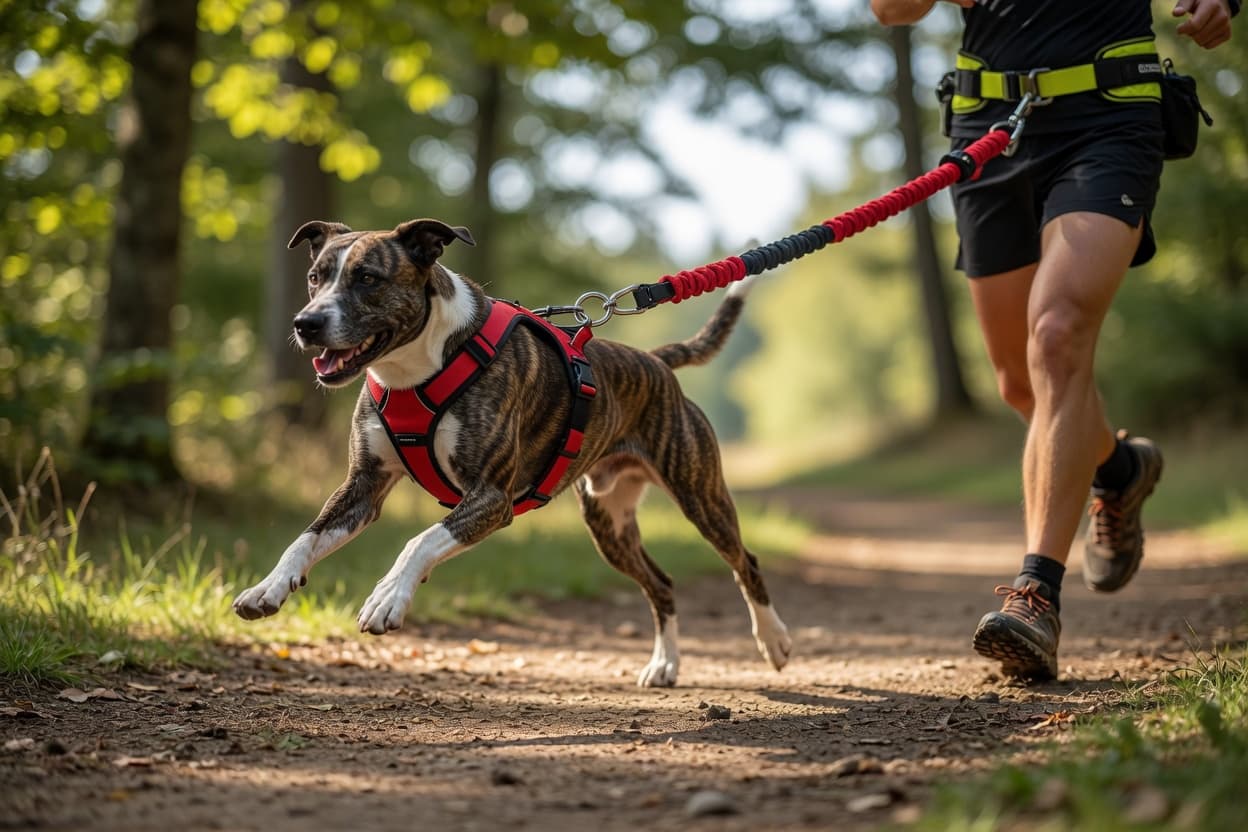
Canicross — cross-country running with your dog attached via a bungee line to a waist belt — has grown rapidly in popularity, and for good reason. It offers intense cardiovascular exercise for both dog and handler, deepens the working relationship between them, and suits a wide range of fitness levels. But running with a dog is not as simple as clipping on a lead and heading out. Getting the details right — timing, distance, equipment, and injury awareness — determines whether this becomes a healthy lifelong habit or a cause of harm.
The Right Age to Start Running
This is the question most new canicross enthusiasts get wrong. The appeal is understandable: a young, energetic dog seems like the perfect running partner. The biology disagrees.
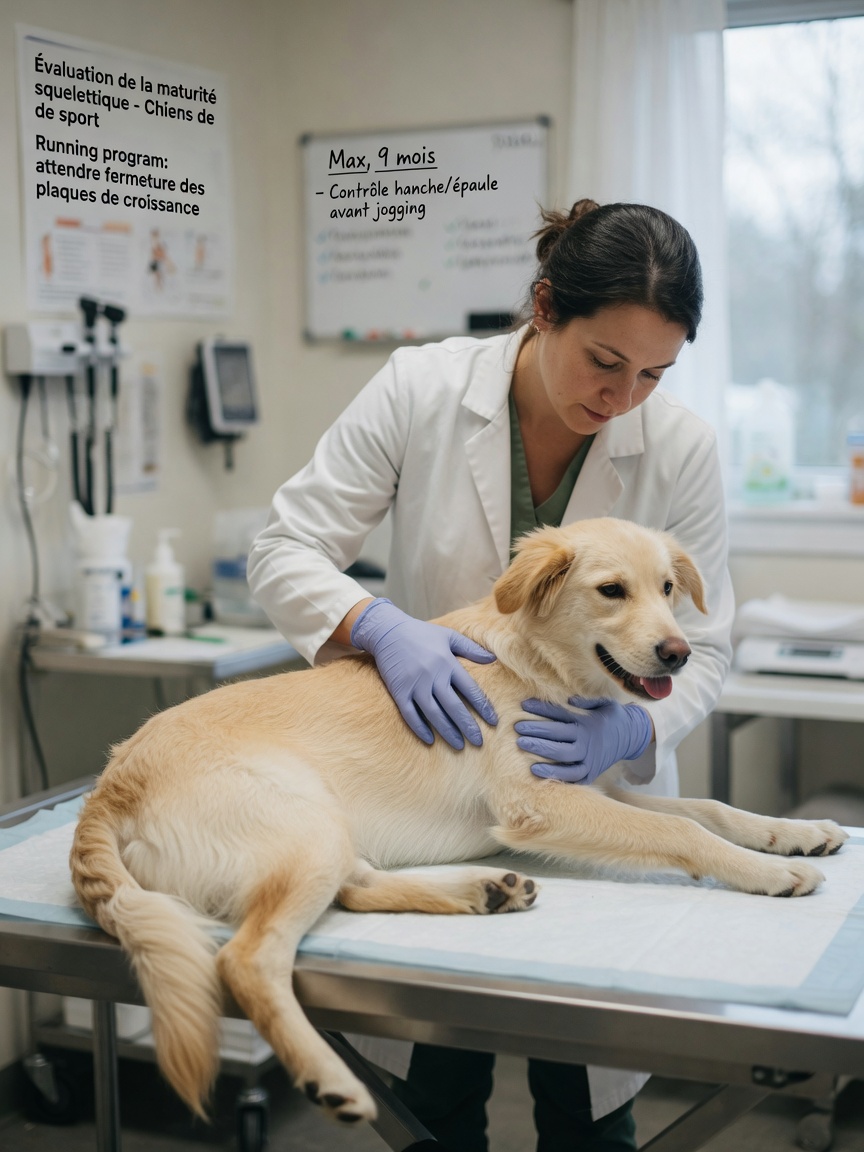
Dogs grow through a period of skeletal development during which growth plates — areas of cartilage at the ends of long bones — remain open and vulnerable. Repetitive impact on immature growth plates can cause permanent damage, leading to lameness, deformity, and chronic pain. In smaller breeds, growth plates typically close at around twelve months. Medium breeds often close between fourteen and sixteen months. Large and giant breeds may not achieve skeletal maturity until eighteen to twenty-four months.
Before growth plate closure, dogs can enjoy moderate, varied exercise — play, short walks, swimming — but sustained running on hard surfaces should wait. A vet check and, where appropriate, X-ray confirmation of growth plate closure before beginning a running programme is the most responsible approach. Starting too early to save a few months can cost years.
Building Distance Sensibly
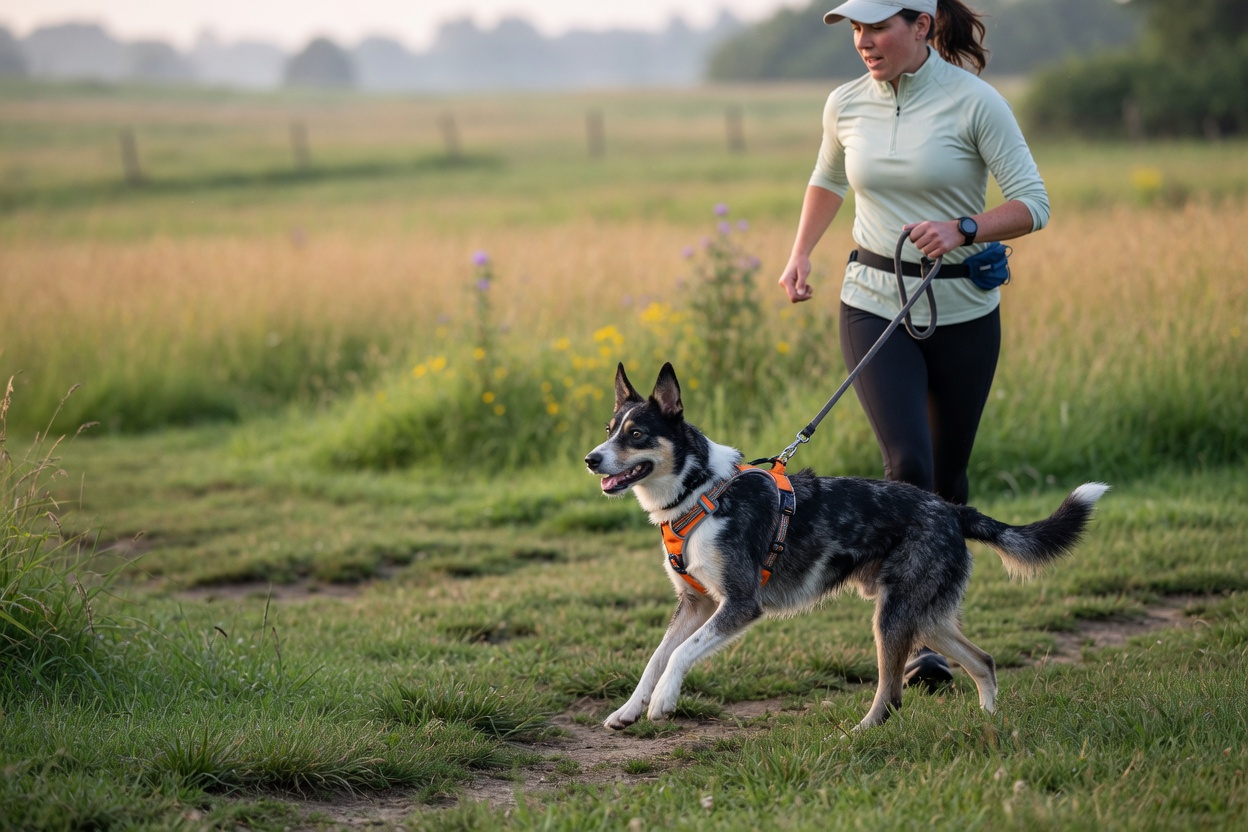
Even an adult, physically mature dog should not be taken from zero running to five kilometres overnight. Like human runners, dogs need a gradual conditioning programme to build the tendon, ligament, and cardiovascular adaptation that supports sustained effort.
Starting Out
Begin with run-walk intervals: two minutes of running alternated with two minutes of walking, over a total of twenty minutes. Maintain this structure for the first two to three weeks, paying attention to how your dog recovers. A dog that is stiff the following morning, reluctant to move, or flat in energy is telling you the load was too much.
Progressive Loading
Increase total running time by no more than ten percent per week. This mirrors the principle used in human running injury prevention. Move from run-walk intervals to continuous running gradually. Introduce hills and technical terrain only after a base of easy flat running is established. Variety in surface — grass, trail, packed dirt — is preferable to repetitive road running, which generates higher impact forces with every stride.
Upper Distance Limits
There is no universal distance limit, but context matters significantly. A fit, medium-sized working breed with months of conditioning behind it can comfortably run ten kilometres or more. An older dog, a brachycephalic breed, a dog in warm weather, or one returning from illness should have far more conservative targets. Pay more attention to your individual dog than to published benchmarks.
Equipment for Canicross
Running a dog in canicross requires specific equipment, not standard walking gear. A well-fitted canicross harness distributes pulling force across the dog's chest and shoulders rather than the neck — a collar is entirely inappropriate for this purpose and risks tracheal injury. The bungee attachment line absorbs the shock of the dog pulling ahead, protecting both dog and handler from jarring. A handler waist belt keeps the connection centred on the hips rather than the hands, allowing natural arm swing and reducing injury risk for the runner.
Fit matters enormously. A harness that restricts shoulder movement will alter your dog's gait and create overuse injuries over time. Have harness fit assessed by someone with canicross experience if you are unsure.
Injury Prevention and Warning Signs
Musculoskeletal Injuries
The most common running injuries in dogs affect the paws, shoulders, and hindquarters. Paw pad abrasion is frequent on rough surfaces; inspect pads after every run, especially in early conditioning. Iliopsoas muscle strain — an injury to the deep hip flexor — is common in sporting dogs and often presents as subtle lameness, a shortened stride, or reluctance to extend a hindleg. Cruciate ligament injuries, though more often associated with sudden twisting, can also result from cumulative stress. Any persistent lameness or change in gait warrants prompt veterinary assessment, not rest-and-hope.
Heat and Hydration
Dogs cool themselves through panting, not sweating. Their tolerance for running in warm conditions is significantly lower than ours. In temperatures above 15 to 18 degrees Celsius, consider early morning or evening runs, reduce distance, and carry water for your dog. Signs of heat stress — excessive panting, drooling, slowing significantly, vomiting, or stumbling — require you to stop immediately, move to shade, and provide water. Heatstroke is a genuine emergency.
Post-Run Recovery
- Allow five to ten minutes of walking at the end of every run — do not stop abruptly.
- Check paws for cuts, cracks, or embedded debris after each session.
- Offer water but do not allow excessive drinking immediately after intense exercise.
- Observe your dog's movement and energy in the twenty-four hours following a run.
- Build in rest days — two to three non-running days per week, particularly in the early months of training.
Making Running Together Last
The dogs that run happily throughout their adult lives are those whose owners built fitness patiently, listened to early warning signs, and respected the difference between a dog that can run and a dog that is ready to run. Canicross done well is outstanding for both parties — it keeps handlers fit, dogs engaged, and the bond between them strong. Start at the right age, build gradually, invest in proper equipment, and consult your vet before beginning if your dog has any existing health concerns. The miles will follow.