
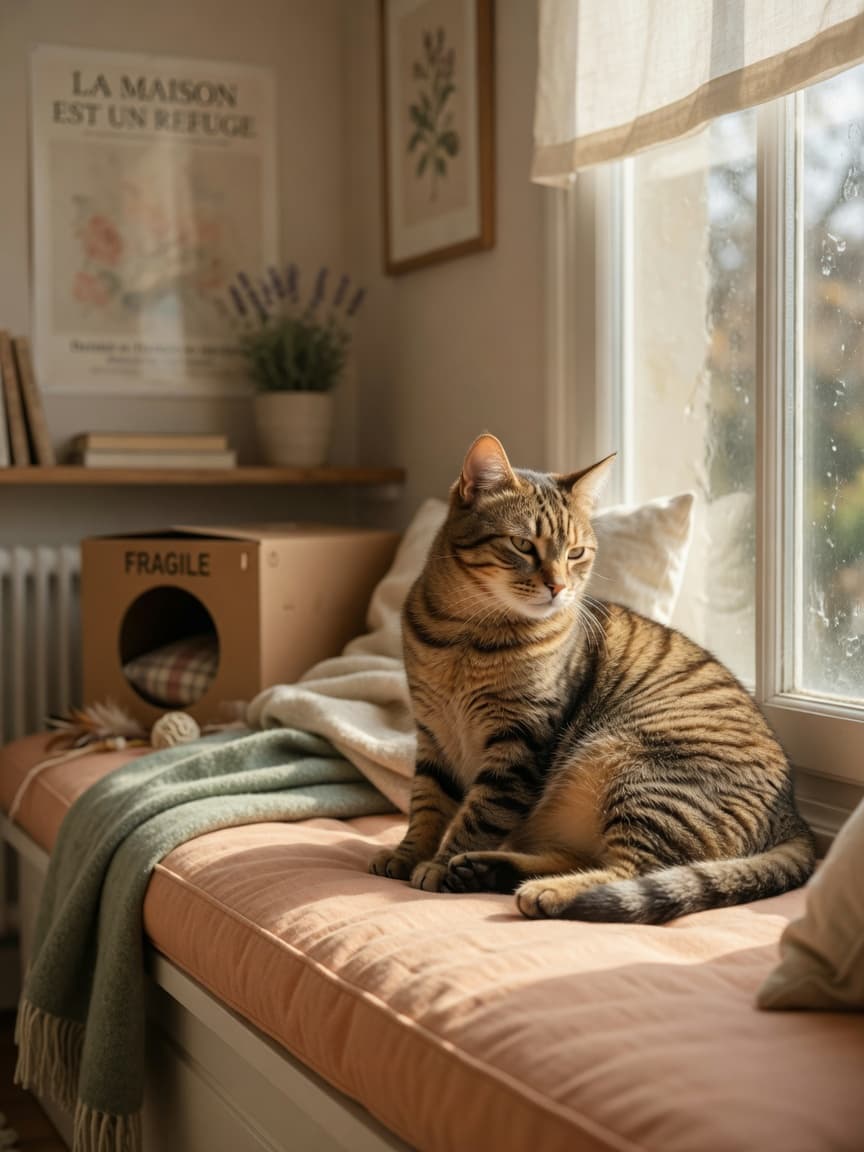
Anxiety in cats is far more common than many pet owners realise, yet it often goes unrecognised or misinterpreted as simple misbehaviour. Whether your feline friend displays excessive hiding, destructive scratching, or unwanted aggression, these behaviours frequently stem from underlying anxiety rather than wilful disobedience. The good news is that with patience, understanding, and the right training techniques, you can significantly reduce your cat's anxiety levels and help them lead a calmer, happier life. In this comprehensive guide, we'll explore evidence-based strategies to support your anxious cat through positive reinforcement and environmental modifications.
Understanding Feline Anxiety
Before we can effectively address anxiety, it's important to understand what causes it. Cats are creatures of habit who thrive on predictability and control over their environment. Common anxiety triggers include changes in routine, new people or pets, loud noises, inadequate hiding spaces, and insufficient environmental enrichment. Unlike dogs, cats cannot always communicate their distress through obvious signs—they may simply withdraw, which can mask the severity of their emotional state.
Create a Safe Haven
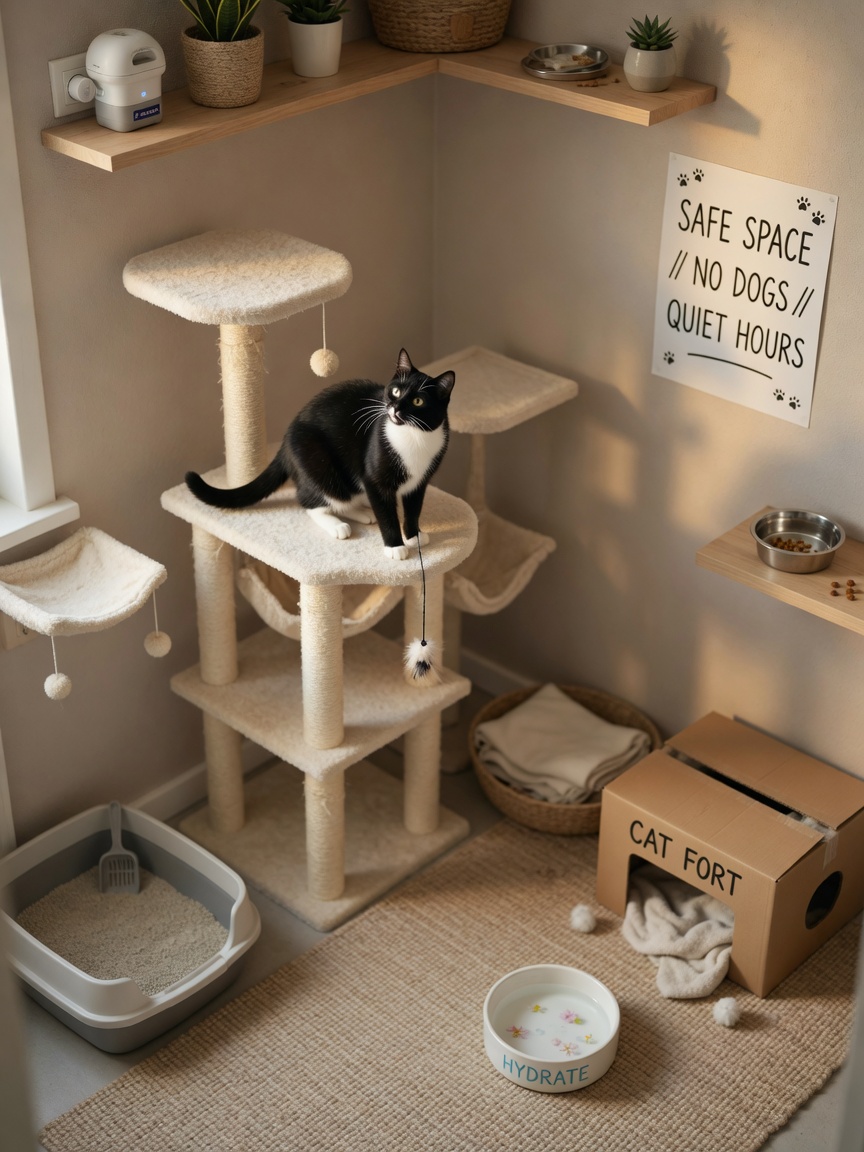
The foundation of reducing cat anxiety is providing a secure refuge where your cat feels completely safe. This isn't simply about having a bed; it's about creating a dedicated space that meets specific needs:
- Establish a quiet room away from household hustle and bustle
- Include vertical spaces such as cat trees or wall-mounted shelves where your cat can observe surroundings from a height
- Provide multiple hiding spots—cardboard boxes, tunnels, or commercial cat hideaways
- Ensure the space contains a litter box, water bowl, and feeding area, all separated from each other
- Use soft lighting and consider pheromone diffusers designed for cats
Implement Positive Reinforcement Training
Training an anxious cat requires patience and consistency. Focus on rewarding calm behaviour rather than punishing anxious responses. When your cat exhibits relaxation—resting quietly, exploring slowly, or interacting gently—reward them immediately with treats, gentle praise, or play. This positive association helps your cat learn that calm behaviour brings pleasant outcomes.
Desensitisation is particularly effective for anxiety. If your cat fears specific sounds, gradually expose them to recordings at low volumes whilst offering treats and praise. Slowly increase the volume over weeks as your cat becomes more comfortable. This process can significantly reduce fear responses.
Establish Predictable Routines
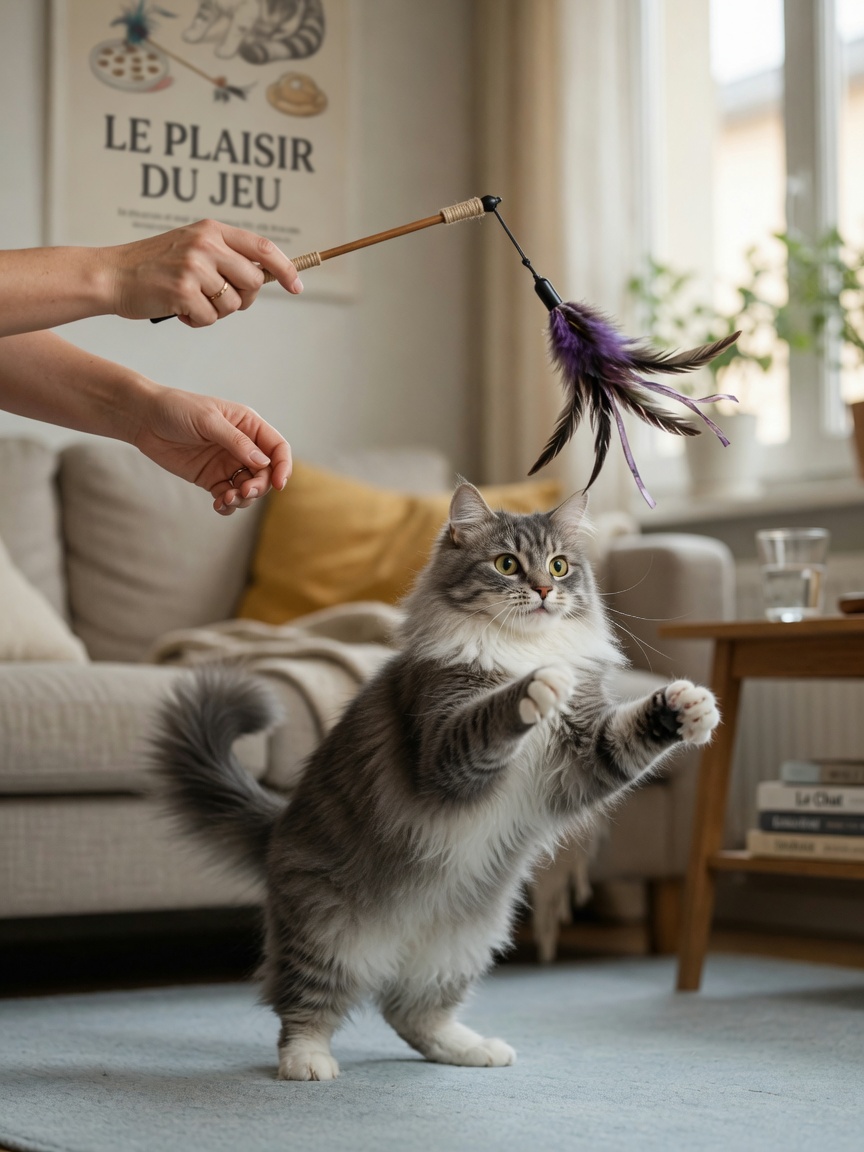
Cats find enormous comfort in predictability. Feeding, playtime, and interaction should occur at consistent times daily. Maintaining these routines provides your cat with a sense of control and reduces uncertainty-related anxiety. Aim for at least two interactive play sessions daily—around 10 to 15 minutes each—using toys that mimic hunting behaviour, which provides mental stimulation and physical exercise.
Gradually Expand Comfort Zones
Once your cat feels secure in their safe space, slowly encourage exploration of other areas. Leave doors open during calm periods and use treat trails to guide them gently into new spaces. Never force interaction; allow your cat to progress at their own pace. Some cats may need weeks or months before fully acclimating to an expanded territory, and that's perfectly normal.
When to Seek Professional Help
Whilst these techniques work effectively for many cats, severe anxiety may require veterinary intervention. Your vet can rule out underlying medical conditions and, if appropriate, discuss anxiety management options. Additionally, consulting a feline behavioural specialist can provide personalised strategies tailored to your cat's specific anxiety triggers.
Key Takeaways
Reducing cat anxiety is a gradual process requiring consistency, patience, and empathy. By providing a secure environment, using positive reinforcement, maintaining predictable routines, and progressing at your cat's pace, you'll help them develop confidence and resilience. Remember, every cat is unique—what works for one may need adjustment for another. Celebrate small improvements and maintain realistic expectations. With dedication, your anxious cat can transform into a more relaxed, content companion.