
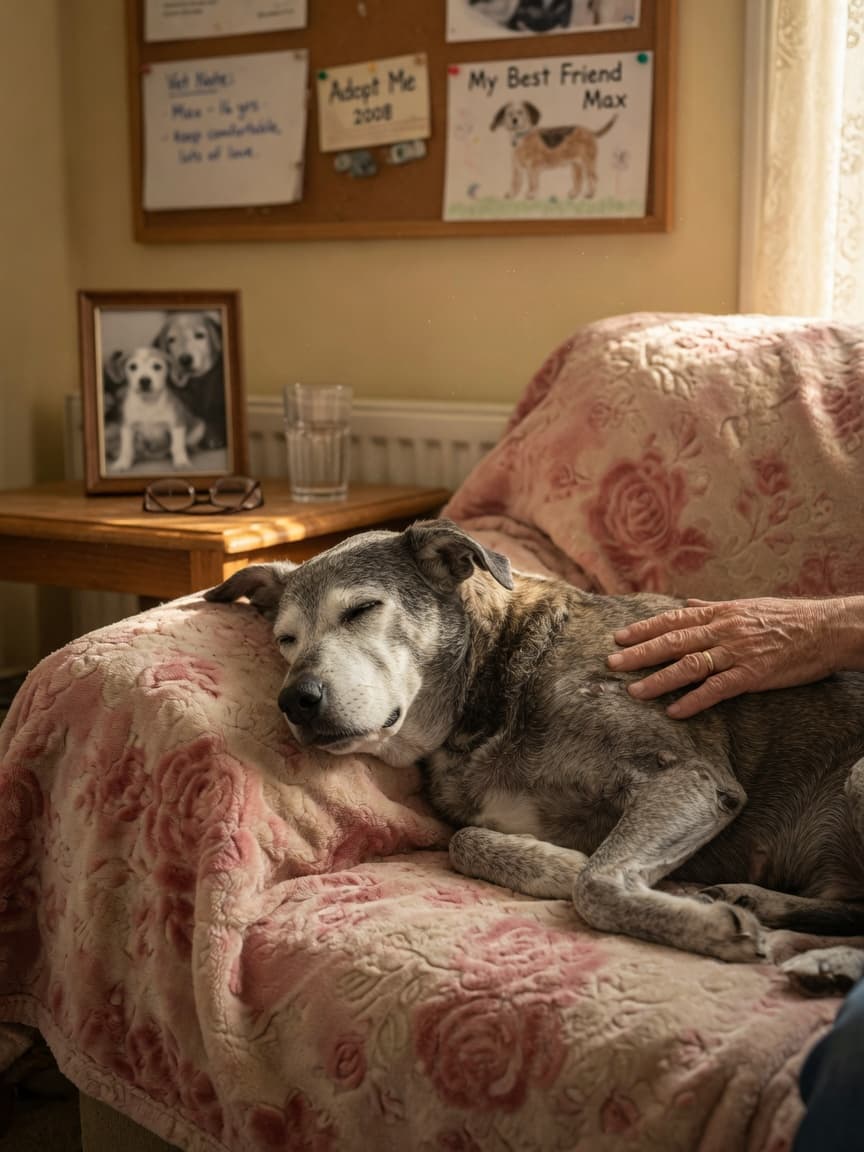
The Hardest Part of Loving a Pet
No area of pet ownership is more emotionally demanding than navigating the final chapter of a beloved animal's life. Yet it is also one of the most important — and one where thoughtful, informed decisions can make an enormous difference to both the pet's experience and the family's ability to cope with what comes next. Palliative and end-of-life care for pets has advanced considerably, and owners deserve access to clear, compassionate information about what is possible.
What Palliative Care Actually Means
Palliative care is not about giving up. It is about shifting the primary goal of treatment from curing disease to maximising comfort and quality of life when a cure is no longer possible or desired. This distinction matters — it is an active, considered choice to prioritise wellbeing over aggressive intervention, and it requires just as much veterinary expertise and owner engagement as curative treatment.
Palliative care may involve pain management, nutritional support, management of specific symptoms (nausea, breathlessness, anxiety), mobility assistance, and modifications to the home environment. It can last days, weeks, or months depending on the condition and its trajectory.
Assessing Quality of Life
One of the most practical tools available to pet owners navigating end-of-life decisions is a structured quality of life assessment. Several frameworks exist; the most widely used is the HHHHHMM scale, which assesses seven domains: Hurt, Hunger, Hydration, Hygiene, Happiness, Mobility, and More good days than bad.
Using the Scale
Each domain is scored from one to ten, with higher scores indicating better quality of life. A combined score above 35 out of 70 is generally considered acceptable, though individual circumstances vary considerably. The scale is not a definitive verdict — it is a structured way to make subjective assessments more consistent over time and to identify when decline is accelerating.
Keeping a simple daily or weekly diary is more useful than trying to recall a pet's condition from memory. Written observations over weeks give a far clearer picture of trajectory than any single day's assessment.
Good Days Versus Bad Days
Arguably the most important single question is the ratio of good to bad days. When bad days begin to consistently outnumber good ones — when the moments of connection, appetite, and comfort become exceptions rather than the norm — that is a meaningful signal that the burden of illness may be outweighing its benefits. This requires honest, ongoing observation rather than a single moment of reckoning.
Pain Management: The Foundation of Compassionate Care
Uncontrolled pain is the most urgent concern in any palliative setting. Animals cannot communicate their pain clearly, and stoicism — particularly in cats — can lead owners and even clinicians to underestimate its severity.
Effective pain management in terminal illness typically involves multimodal approaches: prescription analgesics (opioids, NSAIDs where appropriate, gabapentin, and others), environmental modifications that reduce the physical demands on the animal, gentle physiotherapy or massage, and warmth. Your vet should be willing to discuss pain management openly and to adjust protocols as the animal's condition evolves.
Do not hesitate to raise concerns about pain control. If you believe your pet is suffering, that concern deserves to be heard and addressed.
The Decision About Euthanasia
Euthanasia — a peaceful, medically administered death — is one of the most profound gifts veterinary medicine makes available to pets and their owners. It is also one of the most difficult decisions any owner faces. There is rarely a moment that feels unambiguously "right," and guilt is almost universal regardless of when the decision is made.
When to Consider It
Euthanasia becomes appropriate when an animal is experiencing suffering that cannot be adequately controlled, when quality of life has declined to a point where there is little genuine pleasure or comfort, or when the physical deterioration means the animal can no longer perform basic functions with dignity. It is also appropriate when an owner's capacity to provide the level of care required is genuinely exhausted — compassion fatigue is real, and acknowledging it is not a failure.
Choosing euthanasia before a pet reaches a state of crisis is not choosing it "too early" — it is choosing to prevent unnecessary suffering. Many experienced vets will tell you that in their clinical experience, owners more often act too late than too soon.
The Procedure Itself
Veterinary euthanasia typically involves an intravenous injection of a concentrated anaesthetic agent. The pet loses consciousness within seconds and the heart stops shortly after. It is a peaceful process. Many vets now offer home euthanasia services, which allow the animal to pass in their own environment surrounded by familiar people and smells — an option worth asking about.
Supporting the Human Side of Loss
Pet bereavement is a legitimate and significant form of grief. The bond between humans and companion animals is neurologically and emotionally comparable to human bonds, and the loss deserves to be mourned accordingly. Grief after a pet's death can include shock, guilt, anger, and profound sadness — all entirely normal responses.
Many veterinary practices can signpost owners to pet bereavement support services. Some areas have dedicated telephone helplines. Sharing the experience with others who understand — rather than minimising it in comparison to human loss — is important.
Children in the household need age-appropriate, honest communication about what is happening, including the use of clear language around death rather than euphemisms that cause confusion.
Practical Steps for Families Navigating This Time
- Begin quality of life assessments early and return to them regularly — do not wait for a crisis.
- Have an open, ongoing conversation with your vet about what to expect as the condition progresses.
- Ensure pain and discomfort are actively managed, and report concerns promptly.
- Discuss euthanasia openly with your vet before you feel it is urgently needed, so you understand the process and have time to consider options including home visits.
- Make the most of good days — gentle connection, favourite foods if appropriate, familiar routines.
- Accept support for yourself and your family, and take pet bereavement seriously as a legitimate form of grief.
- Trust that making a compassionate decision on behalf of a pet who cannot speak for themselves is an act of love, not a failure.
End-of-life care done well is not about extending life at any cost. It is about ensuring that the final chapter of a pet's life is as comfortable, dignified, and surrounded by love as possible — and that the people who cared for them are supported through what comes after.