
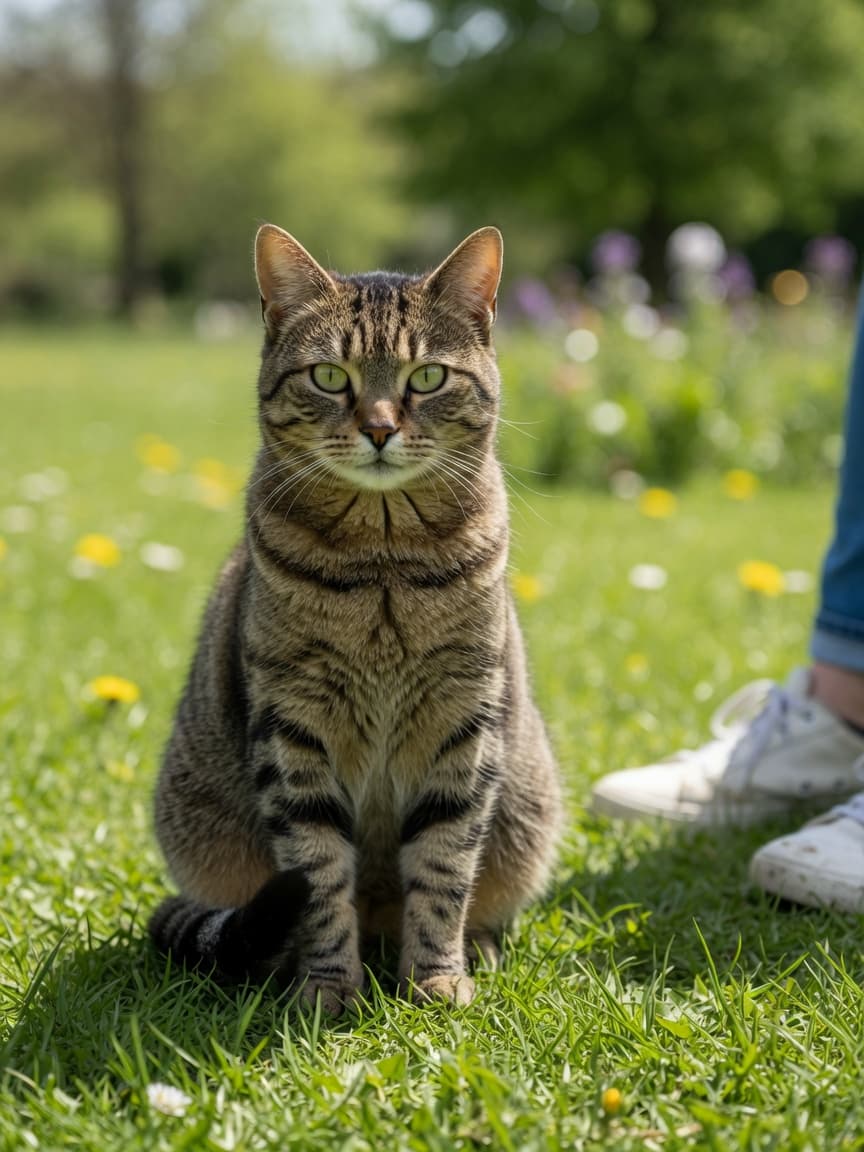
If your cat has earned a reputation as the household's resident grouch—complete with sudden swipes, aggressive hissing, and the occasional nip—you're certainly not alone. Many cat owners mistake feline aggression for a permanent personality trait, but the truth is far more hopeful. What appears as "meanness" is usually your cat's way of communicating discomfort, fear, or unmet needs. With patience, understanding, and consistent training techniques, you can dramatically improve your cat's behaviour and build a more harmonious relationship with your furry companion.
Understanding Why Your Cat Behaves Aggressively
Before you can address the behaviour, it's essential to understand its root cause. Cats don't wake up deciding to be mean—something is driving their actions. Common triggers include:
- Pain or illness: A cat in discomfort may lash out when touched. Dental disease, arthritis, and urinary issues are frequent culprits.
- Fear or anxiety: An insecure cat may act aggressively as a defensive mechanism.
- Lack of stimulation: Bored cats often direct excess energy into aggressive play or territorial behaviour.
- Overstimulation: Petting that goes on too long can trigger sudden aggression.
- Past trauma: Rescued or rehomed cats may carry behavioural baggage from previous experiences.
Your first step should be a veterinary check-up to rule out medical issues. Once you've confirmed your cat is healthy, you can focus on behavioural training.
Establish Clear Boundaries and Consistent Rules
Cats thrive on predictability. Establish consistent rules about what behaviour you will and won't tolerate. If your cat bites during play, immediately stop the interaction. Never use punishment—instead, withdraw attention, which cats find far more discouraging than scolding.
Create "no-go zones" where your cat learns certain areas are off-limits. Use baby gates or closed doors if necessary. Consistency is paramount; every family member must enforce the same rules.
Redirect Energy Through Enrichment
Many aggressive cats are simply understimulated. Provide multiple outlets for natural feline behaviours:
- Interactive play sessions twice daily using wand toys or laser pointers
- Climbing structures and cat trees for vertical territory
- Puzzle feeders and treat-dispensing toys
- Window perches for bird-watching entertainment
- Scratching posts in multiple locations
Scheduled play sessions help burn energy whilst strengthening your bond. Aim for 10-15 minutes of active play twice daily.
Master the Art of Gentle Handling
Learn to read your cat's body language. Ears flattened back, tail twitching rapidly, and dilated pupils are warning signs to stop petting. Most cats have a petting tolerance threshold—respect it. Keep sessions brief and focus on areas your cat enjoys, such as the head and cheeks.
Teach children and visitors the proper way to interact with your cat. Many aggressive incidents stem from rough handling or invasion of personal space.
Use Positive Reinforcement Strategically
Reward calm, gentle behaviour with high-value treats and praise. If your cat typically acts aggressively when you approach, reward them for remaining relaxed when you come near. Clicker training can be remarkably effective—click when your cat exhibits desired behaviour, immediately followed by a treat.
Never reward aggressive behaviour with attention, even negative attention. This includes playing roughly in response to aggressive play bites.
Create a Calm Home Environment
Environmental stress contributes to aggression. Use feline pheromone diffusers (such as those mimicking natural calming compounds), maintain a consistent daily routine, and provide multiple litter boxes—one per cat plus one extra.
Minimise loud noises and sudden changes. Some cats benefit from a quiet retreat space where they feel secure.
Key Takeaways
Training your cat requires patience and consistency, but genuine transformation is possible. Remember that aggression is communication, not character. By addressing underlying causes, enriching your cat's environment, and using positive reinforcement, you'll likely discover that your "mean" cat was simply a misunderstood feline expressing unmet needs. If aggression persists despite these efforts, consult a certified feline behaviourist for personalised guidance.