
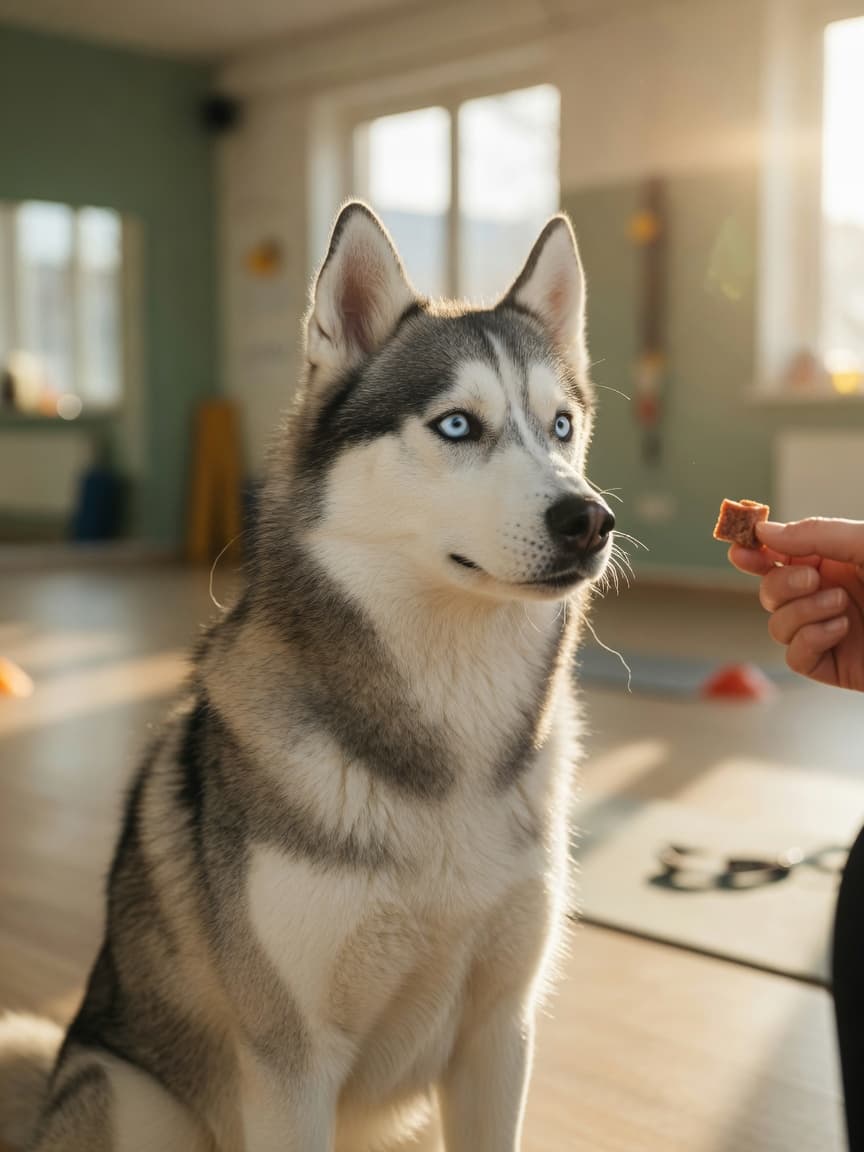
Huskies are among the most intelligent and independent dog breeds, renowned for their striking appearance and boundless energy. However, this intelligence and independent nature can make training a Husky particularly challenging for first-time owners. These spirited dogs were bred as sled dogs to work over vast distances with minimal human direction, which means they're hardwired to think for themselves. If you've recently welcomed a Husky into your home or are considering doing so, understanding how to train them effectively is crucial for creating a harmonious household. This guide shares seven veterinary-approved training strategies specifically tailored to the Husky's unique personality and needs.
1. Start Early With Consistent Socialisation
Puppies are most receptive to new experiences between three and fourteen weeks of age. During this critical window, expose your Husky puppy to various environments, people, animals, and sounds in a controlled, positive manner. Early socialisation helps prevent fearfulness and aggression whilst building confidence. Ensure all experiences are positive and never force your puppy into situations that cause distress.
2. Use High-Value Motivation and Positive Reinforcement
Huskies are motivated by rewards, particularly high-value treats they don't receive daily. Identify what genuinely excites your Husky—whether that's small pieces of chicken, cheese, or special training treats—and reserve these exclusively for training sessions. Positive reinforcement strengthens the neural pathways associated with correct behaviour far more effectively than punishment or dominance-based methods.
- Praise enthusiastically when your Husky responds correctly
- Deliver rewards within two seconds of the desired behaviour
- Rotate reward types to maintain interest and motivation
- Never use punishment-based training methods, which can damage your relationship and increase anxiety
3. Keep Training Sessions Short and Engaging
Huskies have sharp minds but limited attention spans during training. Sessions lasting five to ten minutes are far more effective than lengthy thirty-minute sessions, which often result in frustrated owners and bored dogs. Train multiple short sessions throughout the day to maximise learning without mental fatigue. End sessions on a positive note with a command your Husky knows well.
4. Establish Clear Leadership Through Consistency
Huskies respect consistent boundaries and clear communication. Inconsistent rules—such as allowing jumping on guests one day but not the next—confuse dogs and undermine training progress. All household members must enforce the same rules consistently. This clarity establishes you as a reliable leader without requiring dominance or confrontation.
5. Address the Prey Drive and Recall Training
Huskies possess a strong prey drive inherited from their ancestral wolf lineage. Reliable recall is essential for safety. Begin recall training in distraction-free environments, gradually increasing difficulty. Never call your Husky to come for something they perceive as negative, such as ending playtime or taking medication.
- Practice recall with irresistible rewards in low-distraction settings
- Gradually introduce minor distractions
- Never punish your dog for coming to you, regardless of how long they took
- Use a long training lead during recall practice in open areas until reliability reaches ninety percent
6. Provide Adequate Physical and Mental Stimulation
Undertrained Huskies often display destructive behaviour, excessive barking, and escape attempts. These dogs require at least two hours of vigorous exercise daily, combined with mental enrichment such as puzzle toys, scent work, and training games. A stimulated Husky is far easier to train than a bored, frustrated one.
7. Seek Professional Guidance When Needed
If you encounter persistent training challenges, behavioural issues, or aggression, consult a certified animal behaviourist or professional trainer experienced with working breeds. Early intervention prevents problems from becoming entrenched habits.
Key Takeaways for Husky Training Success
Training a Husky requires patience, consistency, and understanding of their breed-specific traits. Remember that these intelligent dogs thrive when given clear direction, adequate exercise, and positive motivation. Start training early, maintain consistency across all household members, and celebrate small wins. With dedication and the right approach, your Husky can become a well-mannered, obedient companion who fully embraces their role within your family. Most importantly, enjoy the journey—the bond you build through training will strengthen your relationship immeasurably.
```