
The Gap Between Healthy-Looking Chickens and Actually Healthy Chickens
Chickens are prey animals. They conceal illness until they can no longer do so. By the time a backyard chicken looks obviously unwell, the disease process is often well advanced. Knowing what to look for before signs become severe — and understanding the three most commonly encountered health threats — allows keepers to act early and effectively.
Red Mite: The Invisible Drain on Flock Health
What Red Mite Does
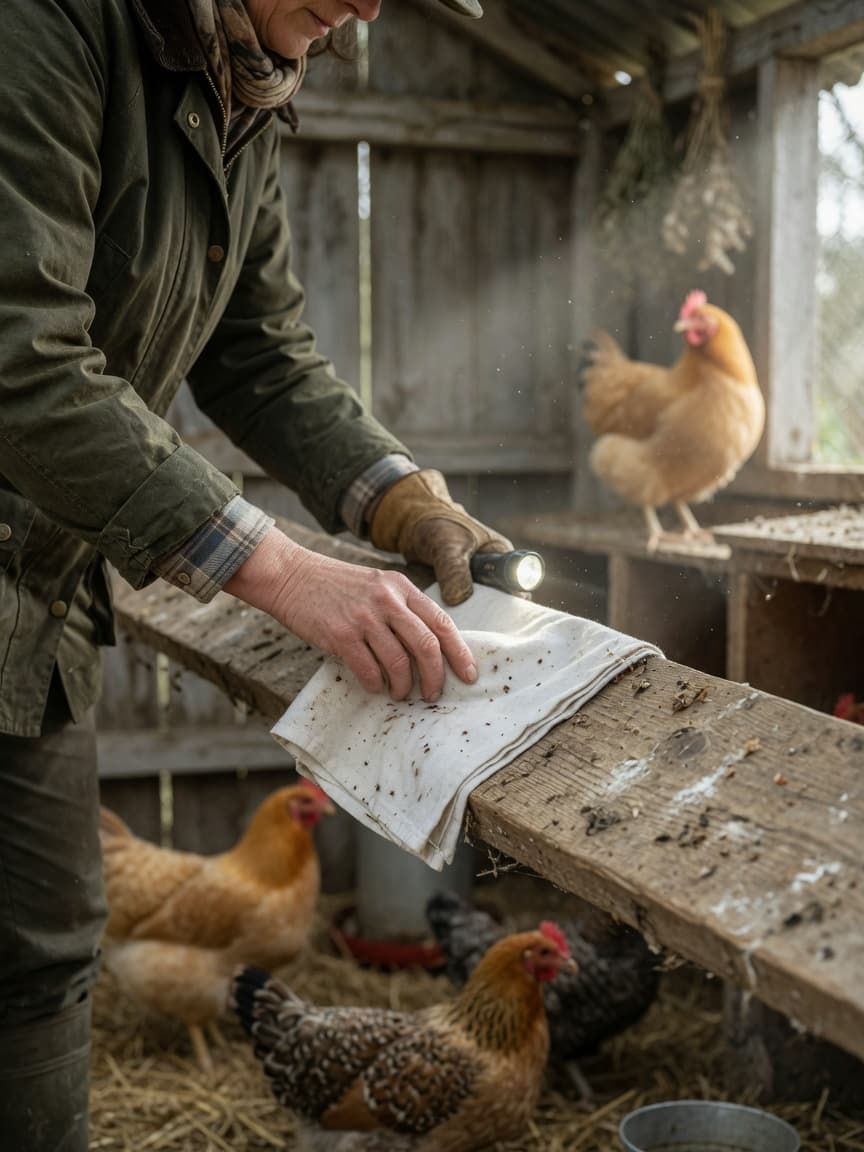
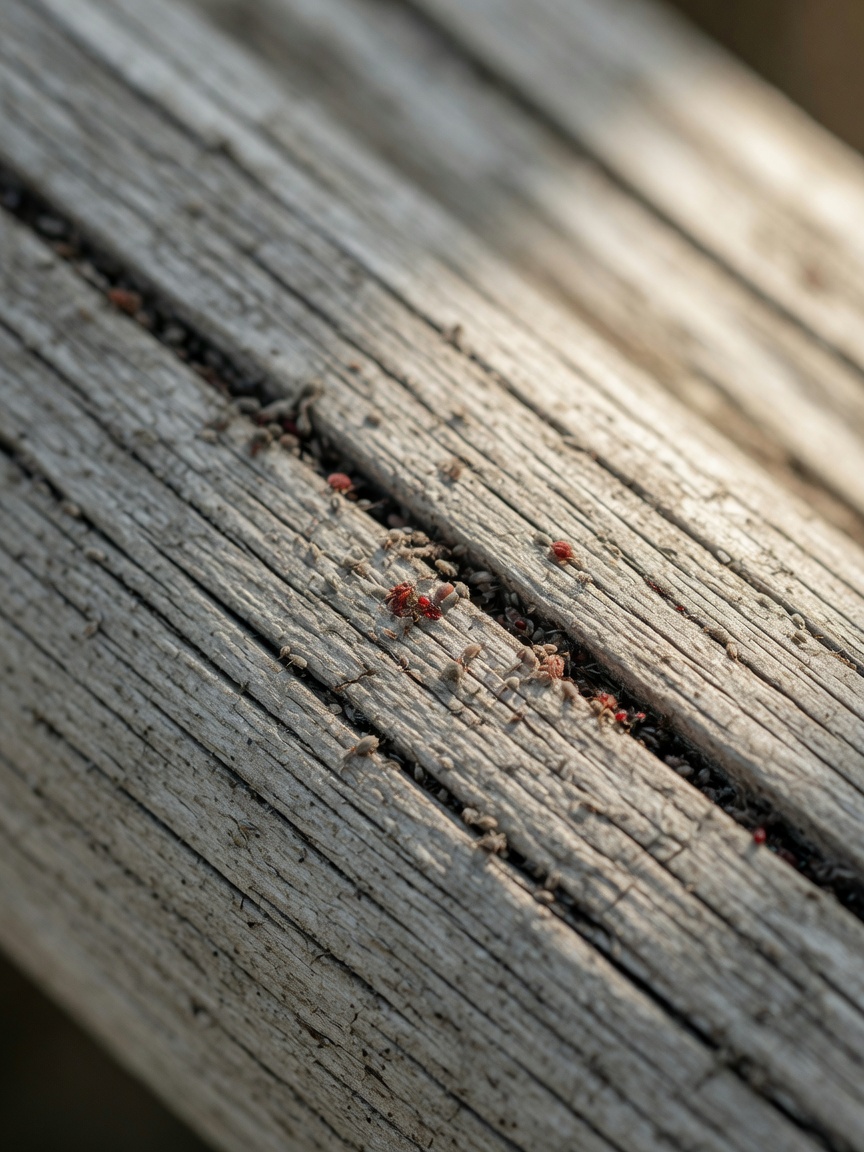
Dermanyssus gallinae, the poultry red mite, does not live permanently on chickens. It hides in cracks, perch ends, and dark corners of the coop during the day, emerging at night to feed on blood. A heavy infestation causes anaemia, reduced egg production, restlessness, and feather pecking. In severe cases, particularly in young or compromised birds, it can be fatal. The mites appear as small greyish specks before feeding and become red after a blood meal. Running a white cloth along the underside of perches at night is a reliable detection method.
Control and Treatment
Red mite is notoriously difficult to eradicate once established because of its ability to survive without a host for several months. Treatment must target both the birds and the environment. Licensed acaricide products are available; some are applied to the bird, others to the housing. Thorough cleaning of the coop with hot water and appropriate disinfectant before product application significantly improves efficacy. Diatomaceous earth is widely used as a physical control agent in bedding and dustbaths, though its efficacy alone is limited for heavy infestations.
Northern Fowl Mite
Unlike red mite, Ornithonyssus sylviarum lives permanently on the bird, concentrating around the vent area. Soiling, crusty skin, and visible mite movement on the feathers around the vent are characteristic signs. Treatment is applied directly to the bird using a licensed product.
Marek's Disease: What Every Chicken Keeper Should Know
The Disease
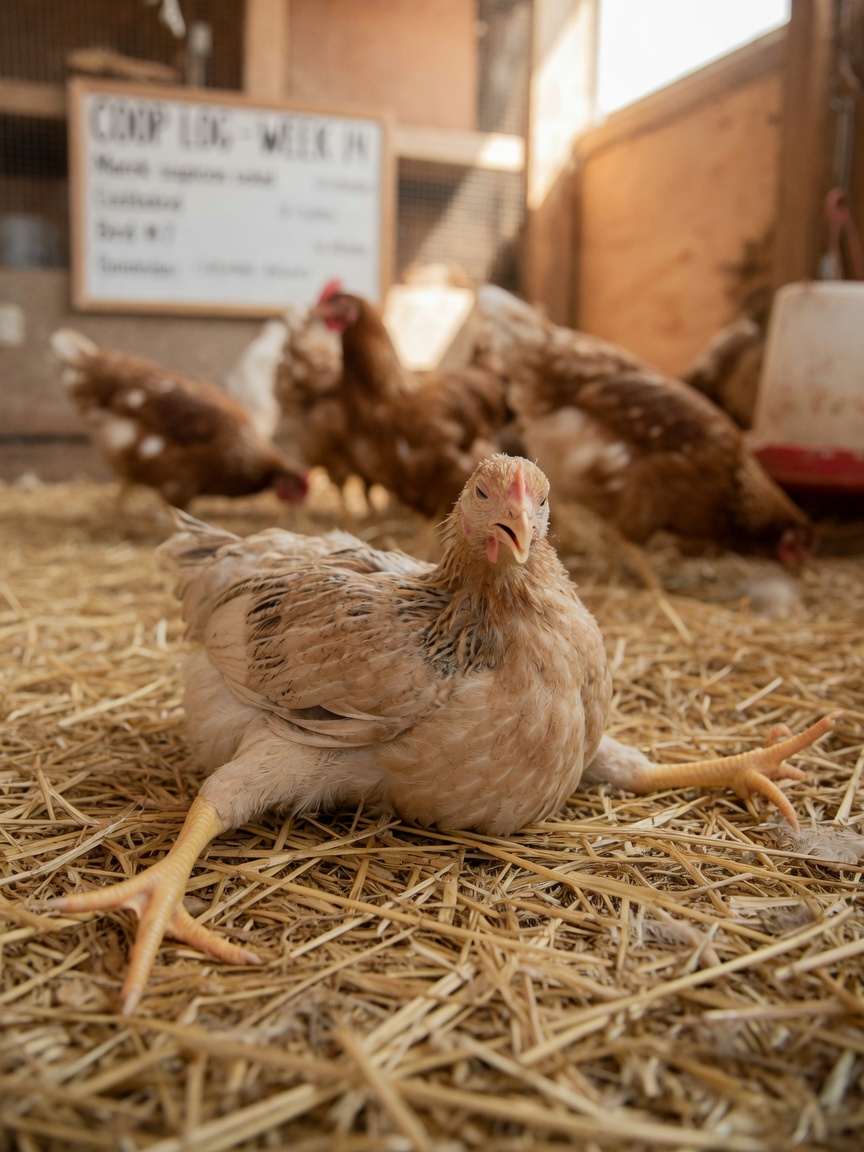
Marek's disease is caused by a highly contagious alphaherpesvirus that spreads via feather follicle dander — the dust chickens shed constantly. The virus persists in the environment for months or years. It causes T-cell lymphoma affecting peripheral nerves, internal organs, the eye (ocular Marek's), and skin. The classical presentation is a young bird, typically between eight and twenty weeks, showing progressive leg paralysis, often with one leg stretched forwards and one back (the characteristic "splits" posture). There is no treatment.
Vaccination
Vaccination does not prevent infection; it prevents the development of tumours and clinical disease. Chicks should be vaccinated on the day of hatch or within the first 24 hours of life, as the vaccine requires time to establish protective immunity before field exposure occurs. Most commercial hatcheries vaccinate automatically. Backyard keepers who hatch their own eggs should discuss vaccination with a poultry vet. Buying vaccinated stock from reputable hatcheries is the practical solution for most small-scale keepers.
Respiratory Infections in Backyard Flocks
Common Causes
Respiratory disease in chickens is most commonly caused by Mycoplasma gallisepticum (MG), infectious bronchitis virus (IBV), and infectious laryngotracheitis (ILT). MG causes chronic respiratory disease characterised by rattling breathing, nasal discharge, and swollen sinuses. It spreads readily between birds and can persist in a flock indefinitely. IBV is a coronavirus causing acute respiratory signs, drops in egg production, and sometimes kidney damage. ILT causes severe gasping, bloody mucus, and significant mortality.
Recognising Respiratory Disease
Any combination of the following warrants prompt investigation: rattling or wheezing sounds, open-mouth breathing, nasal discharge, swollen face or sinuses, reduced egg production, or sudden deaths. Not all respiratory signs are infectious — dusty bedding, ammonia from poor ventilation, and mould can cause or exacerbate respiratory problems. Ensuring good airflow without draughts is fundamental to respiratory health.
Treatment and Biosecurity
Bacterial causes such as MG respond to antibiotic treatment prescribed by a vet, but the organism is rarely eliminated and birds often become carriers. Viral causes have no specific treatment; supportive care and biosecurity to prevent spread are the focus. Vaccines for ILT and IBV are available and used commercially; their use in backyard flocks should be discussed with a poultry vet. Strict biosecurity — preventing contact between your flock and wild birds and newly acquired birds — is the most effective preventive measure available.
Notifiable Diseases: Know Your Legal Obligations
Avian influenza (bird flu) and Newcastle disease are notifiable diseases in the UK. If you suspect either condition — rapid multiple deaths, severe neurological signs, or respiratory disease combined with a drop in egg production across the flock — you are legally required to contact APHA immediately. During high-risk periods, the UK government may mandate housing orders requiring all poultry to be kept indoors. Compliance is a legal obligation, not a suggestion.
Practical Health Checklist for Backyard Chicken Keepers
- Check perches and coop joints for red mite weekly, especially from spring through autumn
- Observe all birds daily; note changes in behaviour, posture, droppings, or appetite
- Buy vaccinated stock from reputable hatcheries to protect against Marek's disease
- Ensure housing is well ventilated but draught-free; high ammonia levels damage respiratory tissue
- Quarantine all new birds for a minimum of three weeks before introducing them to your flock
- Register your flock if you keep fifty or more birds (required by UK law); voluntary registration is available for smaller flocks and provides access to APHA alerts
- Know the signs of notifiable disease and do not hesitate to contact APHA if you have concerns
- Consult a poultry-experienced vet for any health concerns; general small animal vets may have limited poultry expertise