

Boredom in dogs is more than just restlessness—it's a genuine welfare concern that can lead to behavioural problems, anxiety, and even physical health issues. As a nutritionist and behavioural consultant, I've seen countless owners miss the subtle signs of canine boredom until destructive behaviours become established habits. The good news? Recognising boredom early and enriching your dog's environment can transform their wellbeing and your relationship with them.
Signs Your Dog Is Bored
Dogs communicate their emotional state through behaviour, and boredom presents in several recognisable ways. Understanding these signals is the first step toward addressing the problem.
- Destructive behaviour: Chewing furniture, digging holes, or shredding bedding often signals understimulation rather than misbehaviour
- Excessive barking: Persistent barking, particularly when you're absent, frequently indicates boredom and anxiety
- Hyperactivity: Constant pacing, jumping, or inability to settle suggests your dog needs mental engagement
- Self-directed behaviours: Excessive licking, tail chasing, or paw chewing can indicate frustration and understimulation
- Lethargy: Paradoxically, some bored dogs become withdrawn and sleep excessively
- Attention-seeking: Continuous demands for interaction, even negative attention, often stem from boredom
- Inappropriate toileting: Accidents indoors can result from anxiety caused by boredom and lack of routine
Why Mental Stimulation Matters
Dogs are intelligent creatures with natural instincts to hunt, forage, and explore. In domestic life, without appropriate outlets for these drives, they develop behavioural and psychological problems. Mental stimulation is just as important as physical exercise—in fact, a tired mind often matters more than tired legs.
Research shows that cognitively engaged dogs display lower cortisol levels (the stress hormone) and demonstrate better overall behavioural adjustment. Mental enrichment also strengthens the human-dog bond and provides opportunities for positive reinforcement training.
Practical Enrichment Strategies
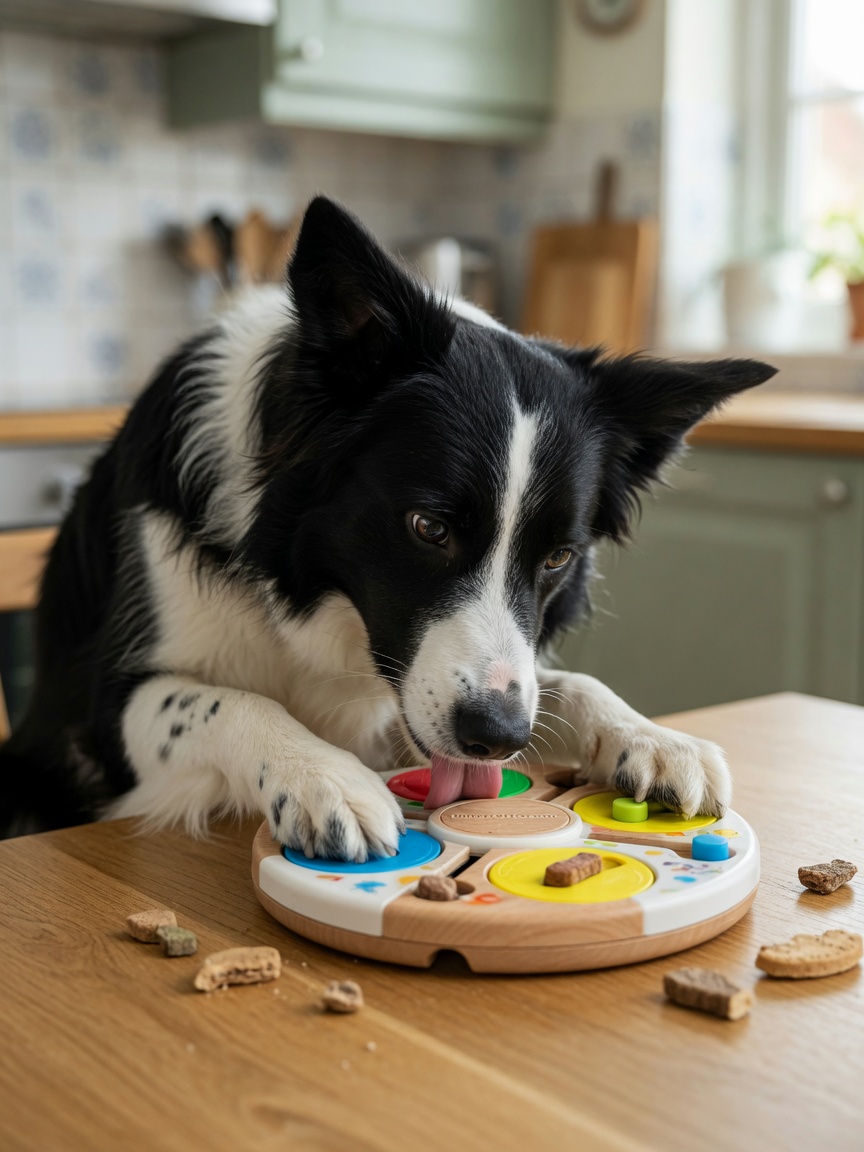
The good news is that addressing boredom doesn't require expensive solutions. Here are evidence-based approaches:
- Puzzle feeders and food-dispensing toys: Instead of serving meals in a bowl, use interactive toys that require problem-solving. This taps into natural foraging instincts and extends feeding time
- Scent work games: Hide treats around your home or garden for your dog to find. This mimics hunting behaviour and provides mental engagement for 20-30 minutes
- Training sessions: Daily 5-10 minute training intervals teach new commands and tricks whilst strengthening your bond. Focus on positive reinforcement
- Rotation system: Rather than leaving all toys available, rotate them weekly. This maintains novelty and interest
- Vary your walks: Different routes, surfaces, and social opportunities prevent walks from becoming routine
- Dog sports and classes: Agility, obedience, or nose work classes provide structured mental and physical challenges
- DIY enrichment: Frozen water bottles, toilet roll tubes filled with treats, or snuffle mats cost little but provide significant engagement
Creating a Sustainable Routine
Consistency matters enormously. Rather than occasional intense activity followed by neglect, aim for regular daily enrichment. Even 30 minutes of combined mental stimulation (training, puzzle feeders, and play) daily can dramatically improve your dog's behaviour and contentment.
Consider your dog's age, breed, and individual personality. Working breed dogs require more intensive stimulation than others, and younger dogs need consistent outlets to prevent destructive habits from developing.
When to Seek Professional Help
If your dog's destructive behaviours persist despite increased enrichment, or if anxiety symptoms worsen, consult your veterinarian. Sometimes boredom masks underlying medical issues, anxiety disorders, or learned behaviours that require professional behavioural modification.
Key Takeaways
- Recognise boredom through destructive behaviour, excessive barking, and self-directed behaviours
- Mental enrichment is as vital as physical exercise for your dog's wellbeing
- Implement daily puzzle feeders, scent games, training, and varied activities
- Consistency matters more than occasional intensive play
- Contact your vet if behaviours persist or worsen
Your dog depends on you to provide not just food and shelter, but mental stimulation and purpose. By recognising boredom's signs and implementing enrichment strategies, you're investing in a happier, healthier, and better-behaved companion.